Guide summary
Best TVs for your room, not just the spec sheet
Start with room light, wall size, and how you watch—then compare OLED, Mini LED, and budget lanes without memorizing every spec name.
6 of 6 shortlist picks have editorial photos on this page.
- Category
- TVs
- Shortlist
- 6 tracked picks
- Lead pick
- Samsung S95F OLED
- Use case
- Best overall
Key buying checks
How to choose a TV that fits your room
Start with how you watch (movies, sports, gaming), room lighting, seating, and placement. Those choices matter as much as peak brightness on the spec sheet. Use these checks while you read the shortlist—they separate good fits from common buyer mistakes.
Choose picture quality for your content and seating
Contrast, tone mapping, and processing should match your typical content and viewing distance, not store demo modes.
Households that care about shadow detail and highlight behavior in HDR and SDR.
Retail demo modes often oversharpen or push brightness; check cinema or filmmaker modes for home use.
Panel type, dimming approach, HDR formats you use, and viewing angle from your seats.
Brightness and finish for daytime viewing
Output level and screen finish affect whether sports and daytime content stay clear when light hits the glass.
Living rooms with windows, skylights, or lamps behind the seating.
Glossy screens can mirror windows; placement relative to bright light sources matters.
Screen finish, placement versus windows, typical daytime use, and whether you use bias lighting.
Console and PC connectivity and game modes
Variable refresh, low latency, and 4K120 require the right HDMI layout, including soundbar or receiver passthrough.
Console or PC gaming where input lag and sync stability matter.
Not every size in a series has identical gaming behavior; some modes change brightness to protect the panel.
HDMI count and capability, VRR range, eARC path, game mode behavior, and audio routing.
Motion handling for sports and games
Motion interpolation can smooth sports but annoy film viewers; game modes may disable processing you like for movies.
Mixed use between sports, action content, and gaming on one TV.
Strong interpolation causes soap-opera effect; some modes add latency for gaming.
Motion settings, separate game mode, and who controls the remote for films versus sports.
Smart TV software and remote
App availability, update support, and remote layout affect whether you need extra streaming devices.
Households that want one remote and minimal extra hardware.
Regional app gaps and account requirements can block a must-have service.
Required apps, update history, remote layout, casting, and voice-assistant requirements.
Measure furniture, wall, and sound placement
Width, stand depth, and port location must fit the furniture and sound equipment you plan to use.
Wall mounts, thin furniture, long soundbars, or tight viewing distances.
Very large screens in small rooms increase reflection and neck strain.
Seating distance, furniture width, port access, soundbar clearance, and delivery path.
Confirm the exact model before you buy
Model names, regions, and bundles change what is in the box. Check the manufacturer page for your country, the seller listing, warranty text, and which accessories are included.
Buyers who shop online and need the shipment to match the configuration they selected.
Small naming differences can mean different ports, stands, or power adapters between regions.
SKU, country variant, return window, warranty, and that photos match the product you add to the cart.
When headline specifications miss real-world limits
A strong specification can still disappoint if glare, noise, edge cleaning, or return terms do not fit how you use the product.
Buyers who want to compare trade-offs before deciding.
Marketing often assumes ideal conditions; your room, hearing, or layout may differ.
Return policy, upkeep (filters, bags, mop pads), physical fit in the space, and whether the downsides are acceptable.
Your situation
How to use this TV guide
Start with the room and habits below, then use the shortlist cards for fit. This section does not add live prices, inventory, or storefront modules.
Start here if you are comparing mixed TV uses across movies, sports, gaming, bright rooms, and everyday streaming.
Match the shortlist to room light, seating width, screen size, and whether the TV needs to work for both daytime and nighttime viewing.
- Room light and reflection risk
- Main use: movies, sports, gaming, or general streaming
- Screen size and seating distance
- HDMI needs for consoles or sound systems
- Tolerance for region or panel-variant checks
- Choosing by headline panel type before checking the room
- Treating one best-list position as a final verdict before you confirm model details and fit
- Ignoring size, stand, wall, and port-access constraints
Before you buy: confirm the listing
Before you treat any pick as final, confirm the exact model, region bundle, warranty, and return policy on the seller page—SKU-level details still change how the TV behaves in your room.
Related TV decision paths
Best OLED TVs
Use the OLED route when the panel direction is already narrowed.
Best Gaming TVs
Use the gaming route when console or PC setup is the main constraint.
Samsung S95F vs S90F
Side-by-side buyer-fit contrasts when you split hairs between sibling Samsung OLED models.
Samsung S95F OLED note
Checklist prose for flagship QD‑OLED—no storefront tools on the note.
Samsung S90F OLED note
Checklist prose for Samsung’s step-down QD‑OLED lane.
Best 65-inch TVs
Use the size route when placement and screen class are already decided.
Value-oriented TV shortlist
Use this list when fit and careful checking matter more than premium extras.
OLED vs Mini LED
Use the panel guide before choosing between OLED and Mini LED shortlists.
Buyer shortcuts
A faster way to choose from this TV shortlist
This section highlights buyer routing, panel trade-offs, room-fit decisions, sensible next pages, and what we verify before adding storefront detail. It reflects Better Buy Lab editorial research only.
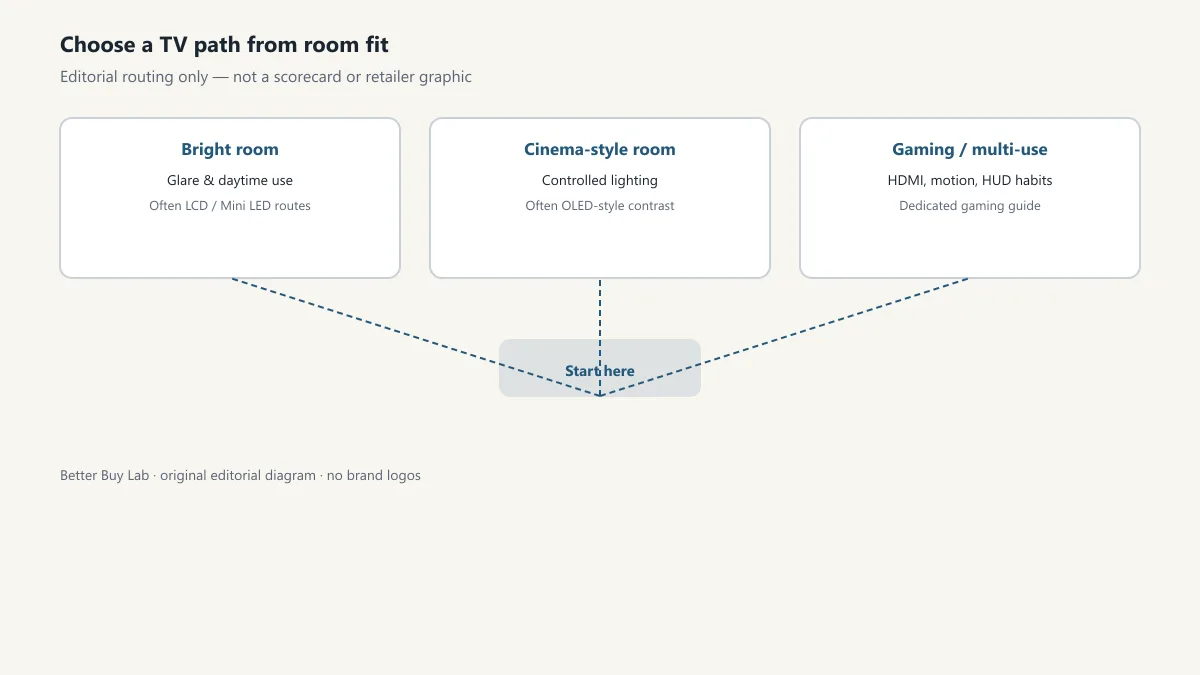
Bright living room
- Use this path when
- Start with reflection handling, bright-room comfort, and whether the same screen needs to handle daytime sports and nighttime movies.
- Do not use it if
- Do not choose only by panel type before checking windows, lamps, seating angle, and whether a matte or glossy screen fits the room.
- Next step
- Use the main shortlist, then open the product research page that matches your room risk.
Movie-first room
- Use this path when
- Start with contrast, black-level expectations, viewing angle, and whether the room is mostly controlled during serious viewing.
- Do not use it if
- Do not treat OLED as automatic if the room is bright all day or if static-screen routines create extra ownership risk.
- Next step
- Compare the OLED route before narrowing to a specific product research page.
Console or PC gaming
- Use this path when
- Start with the devices you own, port needs, refresh-rate expectations, VRR needs, and whether the TV also needs to work for movies or sports.
- Do not use it if
- Do not buy around one headline gaming feature while ignoring HDMI routing, soundbar setup, screen size, and room brightness.
- Next step
- Use the gaming route to separate setup fit from general picture-quality fit.
Size-first family room
- Use this path when
- Start with seating distance, stand width, wall-mount plan, shared viewing angle, and whether the room can support a larger screen comfortably.
- Do not use it if
- Do not assume bigger is better if placement, glare, delivery, or port access will make everyday use worse.
- Next step
- Use the size route when screen class is already decided.
Budget TV picks
- Use this path when
- Start with acceptable trade-offs: everyday streaming, basic gaming, warranty/return comfort, and whether size matters more than premium picture quality.
- Do not use it if
- Do not expect premium HDR, wide-angle performance, or enthusiast gaming behavior from every budget pick.
- Next step
- Use the budget TV guide if the main decision is fit and risk control, not flagship performance.
Panel-type uncertainty
- Use this path when
- Start here if you are not sure whether OLED, Mini LED, or a simpler LCD-style value route fits the room and habits better.
- Do not use it if
- Do not jump into model research before deciding which trade-off set you can live with.
- Next step
- Read the panel guide, then return to the matching best-list route.
Editorial coverage
Inside this TV buying guide
These checkpoints spell out what the page covers today. Amazon Associates retailer buttons publish only after ledger approvals; scraped retailer prices, scraped photos, or star ratings remain off this guide.
When panel type, HDMI gaming setup, or a price cap still decides the lane, open Best OLED TVs, Best gaming TVs, and Budget TV guide before locking a model; Samsung S95F vs Samsung S90F comparison contrasts sibling Samsung OLED fit before you memorize spec tables; Samsung S95F OLED product note and Samsung S90F OLED product note expand checklist framing—still commerce-free research pages beside this guide; TCL QM8K product note adds Mini LED checklist context beside this guide; TCL QM7K product note covers the value-conscious TCL Mini LED lane beside this guide; TCL QM6K product note covers budget TCL Mini LED homework beside this guide; Hisense U65QF product note covers bright-room budget TV homework beside this guide; Hisense QD6QF product note covers cheap-but-acceptable budget TV homework beside this guide; LG G6 OLED product note covers premium Dolby Vision LG homework beside this guide. Amazon Associates PDP buttons on Better Buy Lab are limited to ledger-approved TV buying guides (see manifest monetizedRoutes)—not every TV shortlist.
How we chose, without fake tests
The page now separates evaluation dimensions from final scoring. It explains what should matter for picture quality, bright-room use, gaming, motion, smart platform, setup fit, and buyer risk without implying owned measurement evidence.
Ranked picks plus buyer routing
The shortlist stays ranked, but the decision path also tells readers when to leave the broad list for OLED, gaming, size, budget-friendly picks, or panel-choice guidance.
Notable alternatives and next clicks
Related TV paths and product research pages are linked only when the route exists, so the page builds topical depth without sending readers to planned or unsafe pages.
How we update and stay honest
We publish buyer guidance first, then layer in commercial details only after model matching, rights checks, and policy reviews—you always get the why before the buy button.
Pick logic
Why each TV path exists
These notes turn existing product data into shopper-friendly routing: they are not lab scores, star ratings, or storefront claims.
Samsung S95F OLED
- Buyer problem
- Best overall
- Why it stays in the shortlist
- QD-OLED color, matte reflection control, 4K/165Hz gaming, four HDMI 2.1 ports.
- Watch out
- Skip it if this caveat matters in your setup: No Dolby Vision, premium positioning. That one detail can matter more than the headline spec.
Samsung S90F OLED
- Buyer problem
- Best upper mid-range OLED
- Why it stays in the shortlist
- Similar OLED punch at a lower-tier positioning, strong gaming feature set.
- Watch out
- Skip it if this caveat matters in your setup: Panel type can vary by size or region; confirm the exact carton on the seller listing. That one detail can matter more than the headline spec.
TCL QM8K
- Buyer problem
- Best mid-range Mini LED
- Why it stays in the shortlist
- Very bright image, strong local dimming, Dolby Vision and HDR10+.
- Watch out
- Skip it if this caveat matters in your setup: Only two HDMI 2.1 ports. That one detail can matter more than the headline spec.
TCL QM7K
- Buyer problem
- Best lower mid-range TV
- Why it stays in the shortlist
- Great value, 4K/144Hz, VRR, strong contrast for the money.
- Watch out
- Skip it if this caveat matters in your setup: Narrower viewing angle than OLED. That one detail can matter more than the headline spec.
TCL QM6K
- Buyer problem
- Best budget TV
- Why it stays in the shortlist
- Modern gaming features and decent contrast at deal-dependent value.
- Watch out
- Skip it if this caveat matters in your setup: HDR impact is weaker than higher tiers. That one detail can matter more than the headline spec.
Hisense QD6QF
- Buyer problem
- Best cheap TV
- Why it stays in the shortlist
- Large screen sizes and broad app support at a lower price.
- Watch out
- Skip it if this caveat matters in your setup: No local dimming and limited gaming performance. That one detail can matter more than the headline spec.
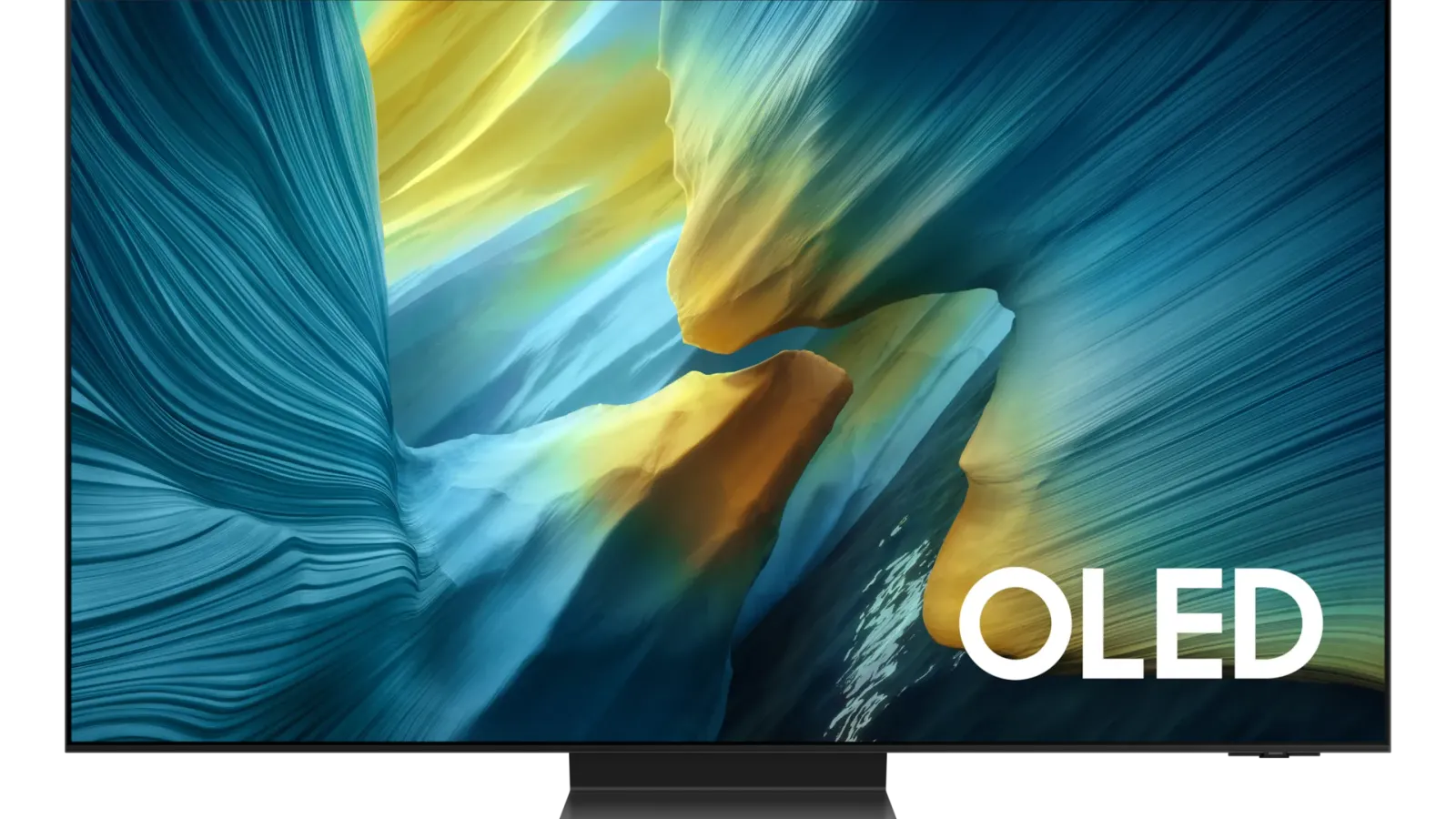
#1 ranked pick
Samsung S95F OLED
Best overall
Shortlist at a glance
Use these cards for buyer-fit context and research notes first. Optional Amazon listing buttons appear only on approved picks—always confirm model, bundle, and seller on the listing you open.
Samsung S95F OLED
Best overall TV
- Best for
- Best overall TV
- Why it is here
- Premium QD-OLED picture, excellent bright-room reflection control, wide viewing angle, and high-end gaming features
- Watch-out
- No Dolby Vision; premium positioning
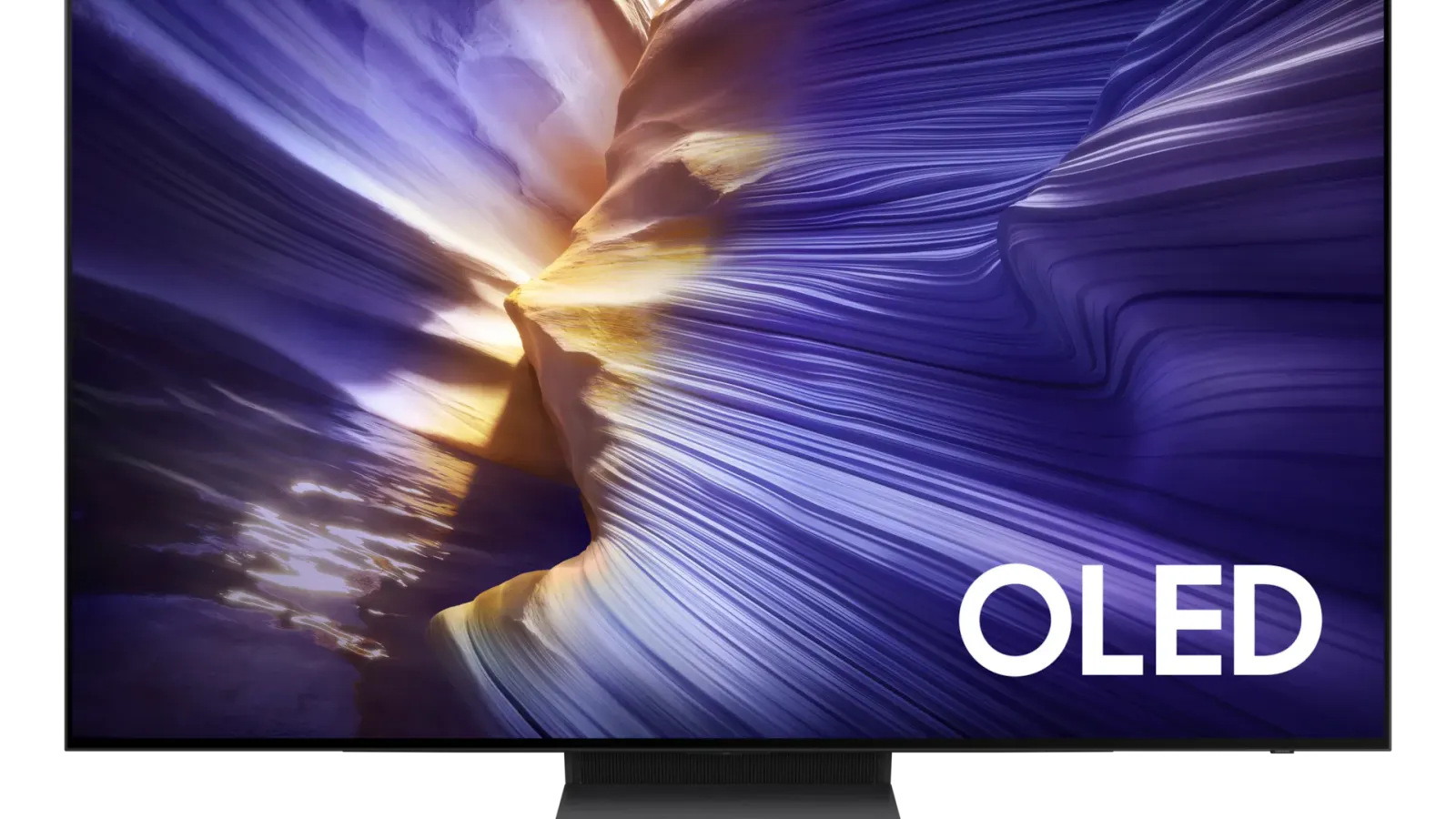
Samsung S90F OLED
Best upper mid-range OLED TV
- Best for
- Best upper mid-range OLED TV
- Why it is here
- Very similar OLED contrast and color appeal to the top pick in a more value-focused tier
- Watch-out
- Glossy finish, no Dolby Vision, and size/region panel variation to confirm
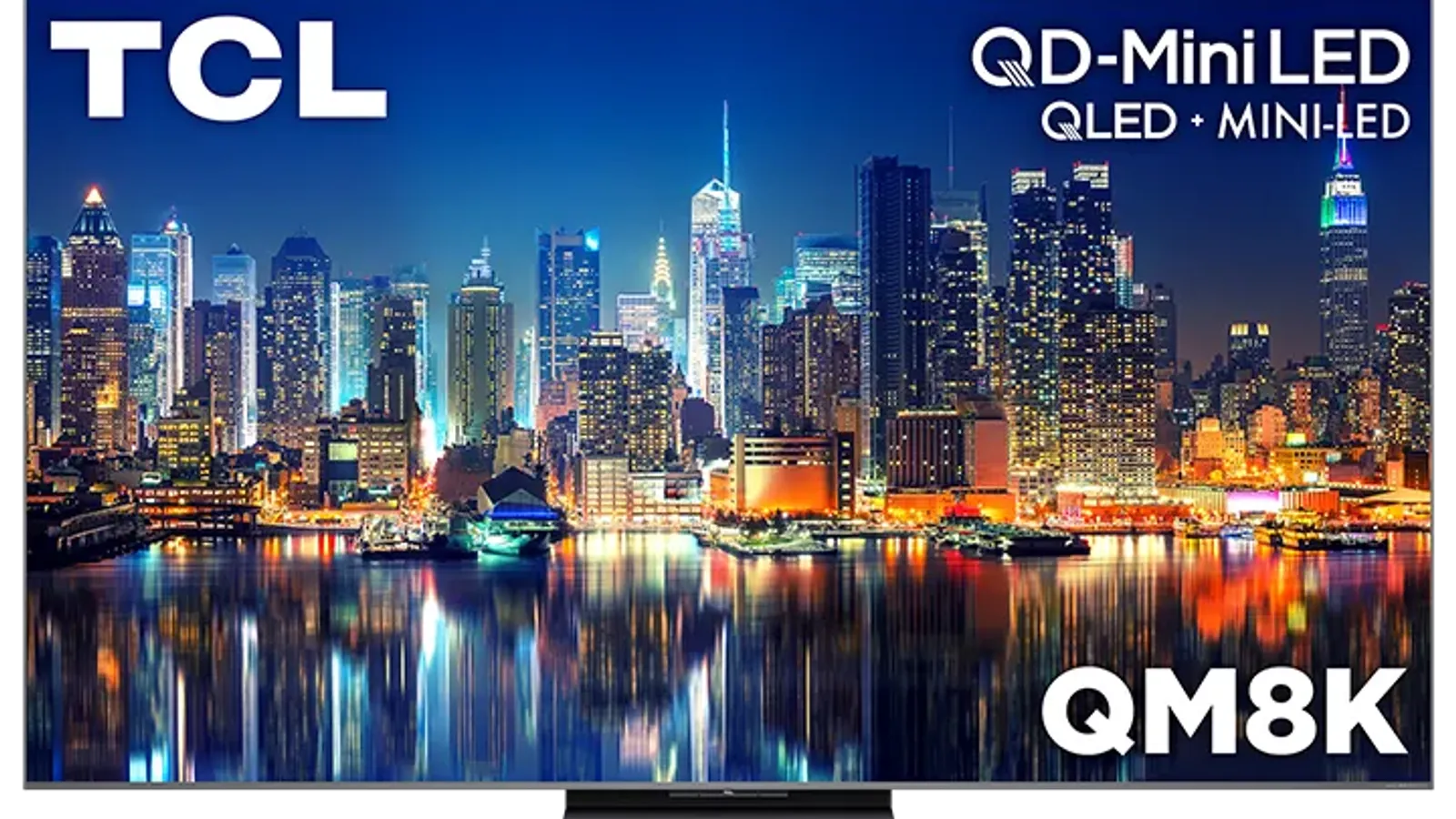
TCL QM8K
Best mid-range Mini LED TV
- Best for
- Best mid-range Mini LED TV
- Why it is here
- Big brightness, strong local dimming, Dolby Vision and HDR10+ support, and large-screen value
- Watch-out
- Only two HDMI 2.1 ports; viewing angle trails OLED
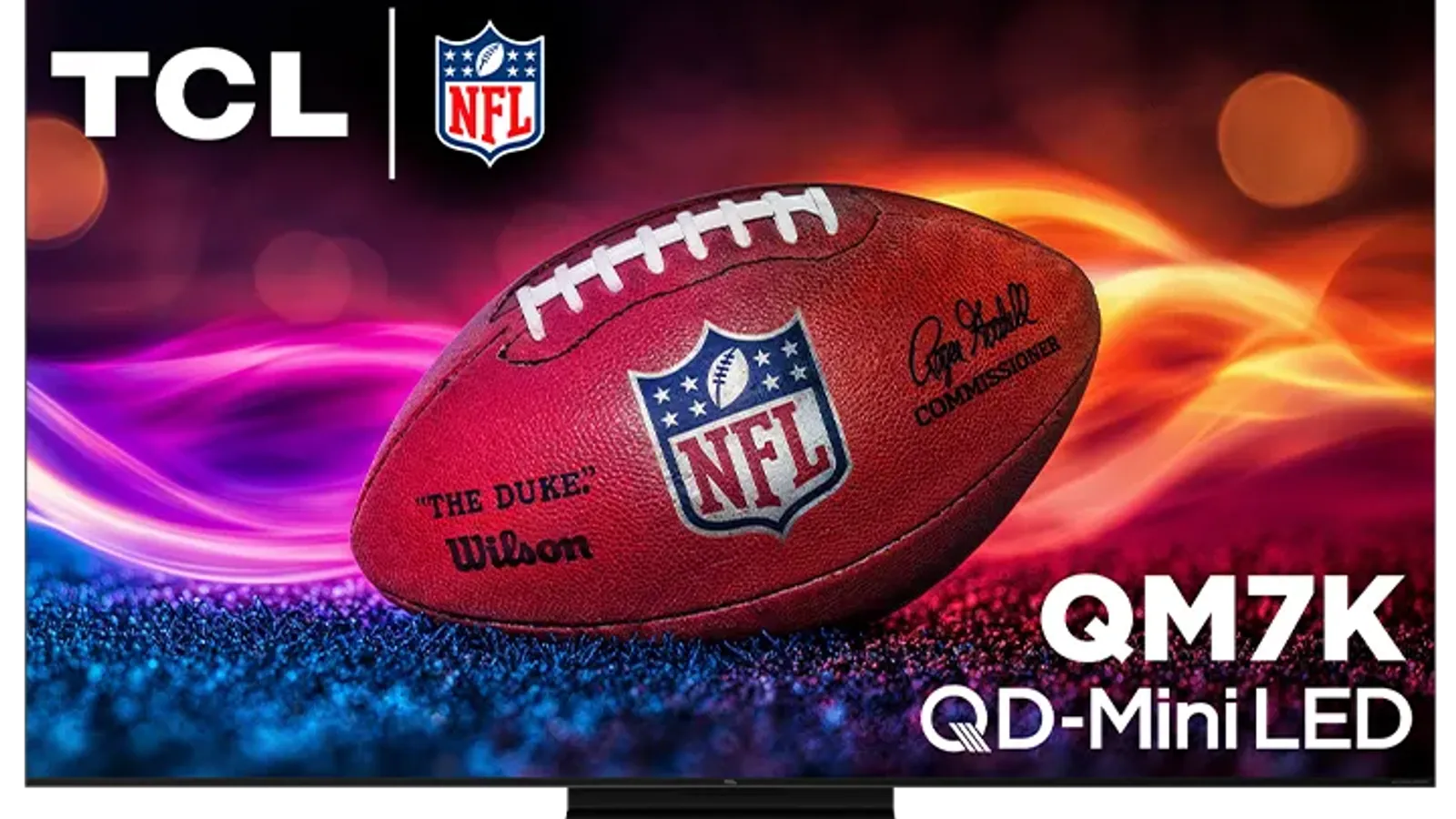
TCL QM7K
Best lower mid-range TV
- Best for
- Best lower mid-range TV
- Why it is here
- Strong everyday picture quality, gaming features, and value for buyers stepping down from the QM8K
- Watch-out
- Less HDR punch and narrower viewing angle than premium picks

TCL QM6K
Best budget TV
- Best for
- Best budget TV
- Why it is here
- Modern gaming feature set and solid picture basics in a more budget-friendly tier
- Watch-out
- Weaker HDR impact and more limited picture refinement
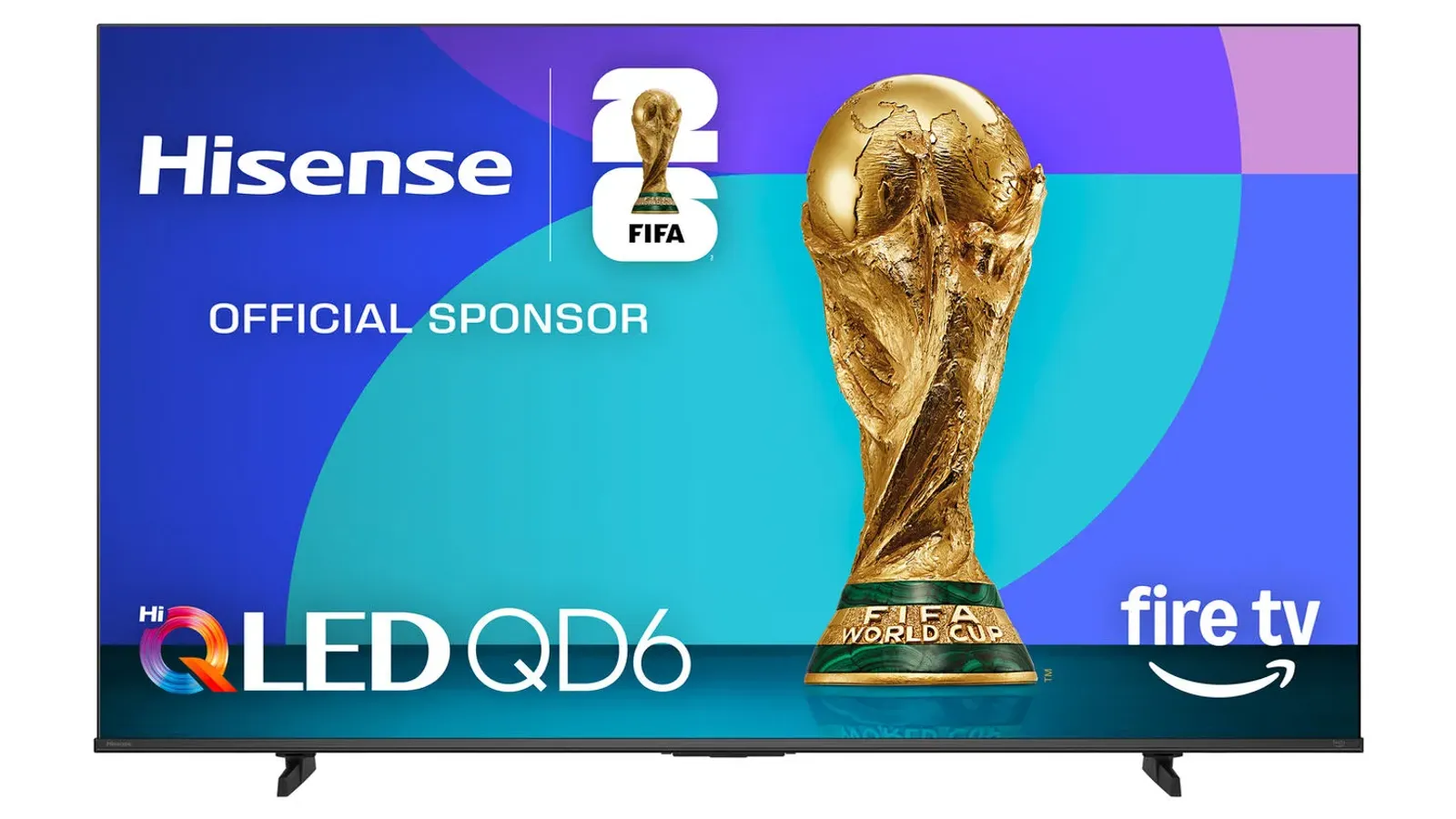
Hisense QD6QF
Best cheap TV
- Best for
- Best cheap TV
- Why it is here
- Large-size availability and good enough casual streaming value
- Watch-out
- No local dimming, limited gaming usefulness, and weaker HDR
Related TVs best lists
Use these tvs lists to narrow the shortlist by use case, setup, and buyer constraints.
Best 65-Inch TVs
The best 65-inch TVs for living rooms, home theater, gaming, and budget shoppers, with size-specific buying advice and CTA placement notes.
Best Gaming TVs for PS5 and Xbox
A Better Buy Lab guide to the best gaming TVs for PS5, Xbox Series X, PC, HDR gaming, bright rooms, and budget setups, built from RTINGS-backed rankings and buyer-first tradeoffs.
Best OLED TVs
A Better Buy Lab OLED TV guide built from RTINGS-backed rankings, with clear advice on QD-OLED vs WOLED, bright rooms, gaming, Dolby Vision, and value.
Best Budget TVs
The best budget TVs for buyers who want a real upgrade without paying premium TV tiers, including Mini LED, 65-inch, and gaming-focused options.
Related comparison
Compare the Samsung S95F and S90F on brightness handling, gaming fit, and day-to-day use cases using the same product notes we keep in our database.
Related buying guide
Use the OLED vs Mini LED guide to choose a panel direction before narrowing down products.
Quick Verdict
The best TV for most people is the one that fits the room first and the spec sheet second. A flagship OLED can look spectacular, but it is not automatically the right buy for a sunny living room, a multi-console setup, or a shopper who mainly streams news and sports. This guide starts with RTINGS' current TV rankings as the research base, then translates that shortlist into Better Buy Lab's buyer-first decision path.
If you want the cleanest all-around pick, start with the Samsung S95F OLED. If you want almost the same premium OLED direction for a lower tier, look at the Samsung S90F OLED. If you want a bright Mini LED TV instead of OLED, the TCL QM8K is the best middle of the map. Value-focused buyers should compare the TCL QM7K and TCL QM6K, while the Hisense QD6QF is the "cheap but acceptable" path for simple streaming rooms.
Quick Recommendation Summary
| Pick | Best for | Why it is here | Watch-out |
|---|---|---|---|
| Samsung S95F OLED | Best overall TV | Premium QD-OLED picture, excellent bright-room reflection control, wide viewing angle, and high-end gaming features | No Dolby Vision; premium positioning |
| Samsung S90F OLED | Best upper mid-range OLED TV | Very similar OLED contrast and color appeal to the top pick in a more value-focused tier | Glossy finish, no Dolby Vision, and size/region panel variation to confirm |
| TCL QM8K | Best mid-range Mini LED TV | Big brightness, strong local dimming, Dolby Vision and HDR10+ support, and large-screen value | Only two HDMI 2.1 ports; viewing angle trails OLED |
| TCL QM7K | Best lower mid-range TV | Strong everyday picture quality, gaming features, and value for buyers stepping down from the QM8K | Less HDR punch and narrower viewing angle than premium picks |
| TCL QM6K | Best budget TV | Modern gaming feature set and solid picture basics in a more budget-friendly tier | Weaker HDR impact and more limited picture refinement |
| Hisense QD6QF | Best cheap TV | Large-size availability and good enough casual streaming value | No local dimming, limited gaming usefulness, and weaker HDR |
Buyer Decision Map
| If your situation sounds like this | Start with | Why |
|---|---|---|
| You want the best overall TV and do not want to micromanage tradeoffs | Samsung S95F OLED | It combines OLED contrast, vivid QD-OLED color, strong reflection handling, wide viewing angle, and serious gaming support. |
| You want an OLED but paying for the top pick feels excessive | Samsung S90F OLED | It keeps most of the OLED experience, especially for movies and games, without paying for the most higher-commitment OLED in the shortlist. |
| Your room is bright or you want a very large screen without OLED-tier positioning | TCL QM8K | Mini LED brightness and local dimming make it easier to recommend for mixed daylight viewing and bigger sizes. |
| You want the best practical value without dropping to entry level | TCL QM7K | It keeps the major TV and gaming features most buyers care about while accepting some brightness and viewing-angle limits. |
| You want a budget TV that still feels modern | TCL QM6K | It is the budget pick for buyers who still care about refresh-rate and gaming feature support. |
| You need the cheapest safe route for casual viewing | Hisense QD6QF | It is for guest rooms, simple streaming, and big-screen shoppers who accept visible compromises. |
How We Chose
This draft uses RTINGS' current public TV ranking structure as the reference base and rewrites the recommendations around buyer decisions: room light, seating angle, HDR expectations, gaming setup, screen size, and value tier. Better Buy Lab does not claim owned lab testing for this draft.
The criteria that matter most for this page are:
- dark-room contrast and black-level performance
- bright-room visibility and reflection handling
- HDR color and highlight impact
- motion handling for sports and games
- gaming inputs, refresh behavior, and VRR support
- viewing angle for wide seating
- screen-size availability
- whether the step-up model solves a problem the cheaper model does not
1. Samsung S95F OLED: Best Overall TV
The Samsung S95F OLED is the premium pick because it solves more rooms than a typical OLED. It gives you the contrast and pixel-level black control that make OLED feel special, but its matte finish and high brightness make it easier to live with in brighter spaces than many glossy OLEDs. It also has the gaming hardware serious console and PC buyers expect, including four HDMI 2.1 ports and very high refresh support.
Choose this if:
- you want one TV that can handle movies, sports, streaming, and games at a high level
- your room has lamps, windows, or reflections that would punish a glossier screen
- you have a wide seating layout and care about off-angle picture quality
- you want a premium gaming TV without moving to a separate monitor-style setup
Avoid this if:
- Dolby Vision support is a must-have for your home theater preference
- you want the best value per dollar rather than the fewest compromises
- you mostly watch casual SDR TV and would not benefit from the premium panel
The main tradeoff is simple: the S95F is the best TV path here, but it is not the best value path for every household. It makes sense when its bright-room OLED strengths, gaming inputs, and wide-angle performance solve real problems in your room.
2. Samsung S90F OLED: Best Upper Mid-Range OLED TV
The Samsung S90F OLED is the smart OLED step-down. It keeps the core appeal of the S95F - deep OLED blacks, punchy QD-OLED color on key sizes, strong gaming support, and wide-angle viewing - while giving value-focused buyers a less aggressive premium tier.
Choose this if:
- you want an OLED for movies and games but do not need the S95F's matte-screen advantage
- your room is moderately lit rather than aggressively bright
- you want four HDMI 2.1 ports without paying top-pick money
- you are comfortable checking the exact size and region before buying
Avoid this if:
- you need Samsung's best reflection handling
- Dolby Vision support matters more to you than HDR10+ support
- you are looking at a size where panel type may differ and you do not want SKU homework
The key caveat is panel consistency. On some Samsung OLED lines, the panel type can vary by size or market. That does not make the S90F a weak pick, but it does mean the exact model matters more than the headline name.
3. TCL QM8K: Best Mid-Range Mini LED TV
The TCL QM8K is the pick for buyers who want brightness, screen size, and HDR impact without going OLED. Its Mini LED backlight gives it strong contrast for an LCD TV, and it is a better fit than OLED for many bright rooms or large-screen value shoppers. It also covers both major HDR format families, which helps if your streaming mix is spread across services.
Choose this if:
- you want a bright TV for daytime viewing, sports, and HDR
- you are considering a larger size where OLED gets hard to justify
- you want Dolby Vision and HDR10+ support in one TV
- you have one or two high-bandwidth gaming devices rather than a full console-plus-PC stack
Avoid this if:
- you need OLED-level black control and wide viewing angles
- your seating is far off-center
- you need four full HDMI 2.1 ports
The QM8K is the practical "OLED is not required" answer. It is not as clean from the side and cannot match OLED black levels, but it gives many living rooms the brightness and size flexibility they actually need.
4. TCL QM7K: Best Lower Mid-Range TV
The TCL QM7K is the value checkpoint. It steps down from the QM8K but keeps enough of the important stuff - strong contrast for the tier, good brightness, modern gaming features, Dolby Vision, HDR10+, and broad size options - to be the right answer for a lot of buyers.
Choose this if:
- you want a strong TV without entering premium OLED or higher-end Mini LED territory
- you sit mostly centered
- you want modern console features in a more value-focused TV
- you care more about a balanced package than flagship-level brightness
Avoid this if:
- you want the strongest HDR punch TCL offers
- your family watches from wide side angles
- you are sensitive to blooming around subtitles and highlights
The QM7K is the "buy the right tier" pick. It is not trying to beat the S95F or QM8K outright; it is here because it preserves the main buying reasons while cutting back in places many shoppers can accept.
5. TCL QM6K: Best Budget TV
The TCL QM6K is the budget pick that still feels current. It is not a cinematic powerhouse, but it keeps enough gaming and picture features to avoid the worst cheap-TV compromises. It is especially useful for buyers who want a modern living-room TV without jumping into the higher Mini LED tiers.
Choose this if:
- you want a budget-friendly TV that still supports modern gaming features
- you sit mostly in front of the screen
- you watch a mix of streaming, TV, and casual games
- you want a safer step up from ultra-cheap LCD models
Avoid this if:
- HDR impact is a major reason for the upgrade
- you watch from wide angles
- you expect premium processing, brightness, or dark-room refinement
The QM6K is not here because it is flawless. It is here because it is the budget model that preserves the most relevant modern TV features before the compromises become too obvious.
6. Hisense QD6QF: Best Cheap TV
The Hisense QD6QF is the cheapest path in this shortlist and should be treated that way. It is for buyers who need an acceptable big screen for casual streaming, bedrooms, guest rooms, or simple family use. It does not belong in the same decision lane as the OLED and Mini LED picks.
Choose this if:
- you need a low-commitment TV for basic streaming and everyday viewing
- you care more about screen size than HDR impact
- you are buying for a secondary room
- you do not need advanced gaming features
Avoid this if:
- you care about deep blacks, strong HDR, or fast motion clarity
- you play competitive games or want a true modern console showcase
- your room is very bright
The QD6QF is the "do not overbuy" option, not the enthusiast option. It earns a spot because some buyers should spend less and accept the limits openly.
Alternatives Worth Knowing
LG G5 OLED: The main premium OLED alternative for buyers who want Dolby Vision and LG's processing approach. RTINGS still favors Samsung's S95F as the safer all-around pick for most people because of bright-room handling and overall consistency, but LG deserves a look if Dolby Vision is central to your setup.
LG C5 OLED: A strong alternative to the Samsung S90F if you prefer LG's platform, Dolby Vision support, or a more traditional OLED path. The Samsung remains the reference pick here because of color and gaming-mode strengths, but the LG can be the better fit for Dolby Vision-heavy streaming rooms.
LG B5 OLED: Worth comparing against the TCL QM8K if you are not in a bright room and care more about OLED blacks, viewing angle, and motion than raw brightness. The TCL is the more flexible living-room pick; the LG is the better OLED-feel detour.
Hisense U75QG and U65QF: Useful comparison points for shoppers looking at value Mini LED or QLED-style alternatives. The TCL picks remain the cleaner recommendations in this draft because of contrast, motion, and all-around balance.
TCL S551G: A possible cheap-gaming alternative to the Hisense QD6QF for buyers who care more about low-lag gaming modes than picture quality. Most casual viewers should still start with the Hisense in the cheap-TV lane.
Comparison Guidance
Samsung S95F vs Samsung S90F: Choose the S95F for the best overall bright-room OLED and premium build path. Choose the S90F when the room is easier to control and the value difference matters more.
Samsung S90F vs LG C5: Choose Samsung for QD-OLED punch and gaming-mode strength on the right sizes. Choose LG if Dolby Vision, LG webOS, or size availability matters more.
TCL QM8K vs TCL QM7K: Choose the QM8K if brightness, HDR punch, and bigger-screen impact are priorities. Choose the QM7K if you want the same general TCL feature direction at a more value-focused tier.
TCL QM6K vs Hisense QD6QF: Choose the QM6K if gaming features and a more modern spec set matter. Choose the QD6QF if the job is simple casual viewing and keeping commitment low.
OLED vs Mini LED: Choose OLED for black levels, viewing angle, and cinematic contrast. Choose Mini LED when the room is bright, the screen is large, or static-screen use makes OLED ownership risk less appealing.
What To Avoid
- Avoid choosing only by brand. Samsung, TCL, LG, Hisense, and Sony all have models that make sense in different lanes.
- Avoid paying for gaming features if you only stream TV and movies.
- Avoid buying OLED for a bright, static-screen-heavy room without thinking through the long-term usage pattern.
- Avoid a cheap TV if fast motion, HDR, or off-angle viewing are important.
- Avoid assuming a product name tells the full story. Size, panel type, region, and retailer SKU can change the recommendation.
FAQ
What is the best TV for most people in 2026?
The Samsung S95F OLED is the strongest all-around pick in this RTINGS-backed draft because it combines OLED contrast, QD-OLED color, high-end gaming support, wide viewing angles, and unusually strong reflection handling for OLED.
Should I buy OLED or Mini LED?
Buy OLED if you care most about perfect blacks, movie contrast, wide seating angles, and fast pixel response. Buy Mini LED if the room is bright, you want a larger screen for the money, or you prefer avoiding OLED ownership concerns.
Is the Samsung S90F good enough instead of the S95F?
Yes, for many rooms. The S90F is the better value path if you do not need the S95F's matte-screen reflection advantage and you are comfortable confirming the exact size and panel type.
Is the TCL QM8K better than an OLED?
It depends on the room. The QM8K is better for many bright-room and large-screen shoppers because it gets very bright and costs less than many premium OLED paths. OLED still wins for black levels, viewing angle, and cinematic contrast.
What is the best budget TV?
The TCL QM6K is the best budget-friendly pick in this shortlist because it keeps more modern gaming and TV features than typical cheap models. The Hisense QD6QF is the cheaper casual-viewing option.
Do I need HDMI 2.1?
You need HDMI 2.1 if you want modern console or PC gaming features like 4K at high refresh rates and VRR. Movie-only buyers should put more weight on contrast, brightness, processing, and HDR format support.