Guide summary
Best 65-inch TVs for wall fit and seating distance
Sixty-five-inch is a sizing decision first: viewing distance, wall width, and whether OLED or brighter LCD fits your light.
6 of 6 shortlist picks have editorial photos on this page.
- Category
- TVs
- Shortlist
- 6 tracked picks
- Lead pick
- Samsung S95F 65-inch
- Use case
- Best 65-inch TV overall
Key buying checks
How to choose a TV that fits your room
Start with how you watch (movies, sports, gaming), room lighting, seating, and placement. Those choices matter as much as peak brightness on the spec sheet. Use these checks while you read the shortlist—they separate good fits from common buyer mistakes.
Choose picture quality for your content and seating
Contrast, tone mapping, and processing should match your typical content and viewing distance, not store demo modes.
Households that care about shadow detail and highlight behavior in HDR and SDR.
Retail demo modes often oversharpen or push brightness; check cinema or filmmaker modes for home use.
Panel type, dimming approach, HDR formats you use, and viewing angle from your seats.
Brightness and finish for daytime viewing
Output level and screen finish affect whether sports and daytime content stay clear when light hits the glass.
Living rooms with windows, skylights, or lamps behind the seating.
Glossy screens can mirror windows; placement relative to bright light sources matters.
Screen finish, placement versus windows, typical daytime use, and whether you use bias lighting.
Console and PC connectivity and game modes
Variable refresh, low latency, and 4K120 require the right HDMI layout, including soundbar or receiver passthrough.
Console or PC gaming where input lag and sync stability matter.
Not every size in a series has identical gaming behavior; some modes change brightness to protect the panel.
HDMI count and capability, VRR range, eARC path, game mode behavior, and audio routing.
Motion handling for sports and games
Motion interpolation can smooth sports but annoy film viewers; game modes may disable processing you like for movies.
Mixed use between sports, action content, and gaming on one TV.
Strong interpolation causes soap-opera effect; some modes add latency for gaming.
Motion settings, separate game mode, and who controls the remote for films versus sports.
Smart TV software and remote
App availability, update support, and remote layout affect whether you need extra streaming devices.
Households that want one remote and minimal extra hardware.
Regional app gaps and account requirements can block a must-have service.
Required apps, update history, remote layout, casting, and voice-assistant requirements.
Measure furniture, wall, and sound placement
Width, stand depth, and port location must fit the furniture and sound equipment you plan to use.
Wall mounts, thin furniture, long soundbars, or tight viewing distances.
Very large screens in small rooms increase reflection and neck strain.
Seating distance, furniture width, port access, soundbar clearance, and delivery path.
Confirm the exact model before you buy
Model names, regions, and bundles change what is in the box. Check the manufacturer page for your country, the seller listing, warranty text, and which accessories are included.
Buyers who shop online and need the shipment to match the configuration they selected.
Small naming differences can mean different ports, stands, or power adapters between regions.
SKU, country variant, return window, warranty, and that photos match the product you add to the cart.
When headline specifications miss real-world limits
A strong specification can still disappoint if glare, noise, edge cleaning, or return terms do not fit how you use the product.
Buyers who want to compare trade-offs before deciding.
Marketing often assumes ideal conditions; your room, hearing, or layout may differ.
Return policy, upkeep (filters, bags, mop pads), physical fit in the space, and whether the downsides are acceptable.
Your situation
How to use this TV guide
Start with the room and habits below, then use the shortlist cards for fit. This section does not add live prices, inventory, or storefront modules.
Use this path when you are already narrowing in on 65-inch-class screens and need placement-aware picks.
The size-first decision should check wall or stand width, seating distance, glare, cable routing, and whether the TV dominates the room in daily use.
- Wall or stand width
- Viewing distance
- Room brightness
- Shared viewing angle
- Delivery, mounting, and port-access constraints
- Choosing the size before checking placement
- Assuming a bigger screen fixes weak room fit
- Ignoring whether the model variant in this size needs separate verification
Before you buy: confirm the listing
65-inch classes still vary in foot width, stand depth, and glare treatments. Measure your furniture path and wall width against the live listing before delivery day.
Related TV decision paths
Best TVs
Start with the broad TV shortlist before narrowing by panel, size, or use case.
Best OLED TVs
Use the OLED route when the panel direction is already narrowed.
Best Gaming TVs
Use the gaming route when console or PC setup is the main constraint.
Samsung S95F vs S90F
Side-by-side buyer-fit contrasts when you split hairs between sibling Samsung OLED models.
Samsung S95F OLED note
Checklist prose for flagship QD‑OLED—no storefront tools on the note.
Samsung S90F OLED note
Checklist prose for Samsung’s step-down QD‑OLED lane.
Value-oriented TV shortlist
Use this list when fit and careful checking matter more than premium extras.
OLED vs Mini LED
Use the panel guide before choosing between OLED and Mini LED shortlists.
Size decision map
Choose the 65-inch class only after the room passes
These paths cover seating distance, wall or stand fit, port access, shared rooms, panel choice, gaming needs, and budget-friendly TV options. They reflect Better Buy Lab editorial research only.
Main couch distance
- Use this path when
- Start here when the viewing distance, couch placement, and room width make a 65-inch-class screen the likely fit.
- Avoid this shortcut if
- Do not treat 65 inches as automatically better if the room is narrow, seats are close, or the TV will overwhelm the wall or stand.
- Next step
- Measure the seating distance, wall or stand width, and cable path before choosing a panel tier.
Shared family room
- Use this path when
- Use the broader TV route when the screen has to work for sports, movies, casual streaming, gaming, and mixed seating positions.
- Avoid this shortcut if
- Do not choose a size-first pick if glare, viewing angle, or everyday usability matters more than diagonal size.
- Next step
- Use the main TV guide to balance picture direction with the room.
65-inch OLED path
- Use this path when
- Use the OLED route if the room is mostly controlled and the 65-inch decision is also about contrast, viewing angle, and movie use.
- Avoid this shortcut if
- Do not make OLED the default if the room is bright for most viewing or static-screen habits create extra ownership risk.
- Next step
- Confirm the room supports OLED trade-offs before narrowing to a 65-inch product.
65-inch gaming setup
- Use this path when
- Use the gaming route if the TV size has to work with console placement, input routing, soundbar setup, and couch distance.
- Avoid this shortcut if
- Do not buy a larger gaming TV without checking port access, cable reach, and whether the display feels comfortable from the main seat.
- Next step
- Map the devices first, then return to the size shortlist.
Value-first 65-inch
- Use this path when
- Use the value route—the budget TV guide—when the main goal is a larger screen that still respects your budget, not premium picture or enthusiast gaming behavior.
- Avoid this shortcut if
- Do not choose only by size if a smaller, stronger-fit TV would work better for the room and use case.
- Next step
- Use the value page to separate acceptable trade-offs from false economy.
Panel before size
- Use this path when
- Use this guide if the real uncertainty is OLED versus Mini LED style trade-offs, not the 65-inch class itself.
- Avoid this shortcut if
- Do not compare 65-inch models before deciding which panel direction fits the room and habits.
- Next step
- Choose the panel direction first, then return to the 65-inch shortlist.
Size-first buyer depth
Inside this 65-inch TV guide
The public page can help readers decide whether this screen class fits the room. Exact dimensions, product facts, commercial output, media, and advanced schema stay blocked until evidence clears.
Room fit before rank
The page now frames 65-inch TVs around seating distance, wall or stand width, glare, viewing angle, and shared-room use before product rank.
Bigger is not always safer
The guidance separates size satisfaction from picture quality, placement friction, port access, delivery, and everyday room comfort.
Smaller and larger fallbacks
Readers now get safe routing when 65 inches is too large, too small, too expensive for the target tier, or the wrong panel trade-off.
Model-size details need listing checks
Exact size behavior, region variants, stand dimensions, wall-mount details, and retailer paths still need confirmation from current product listings.
65-inch pick logic
How to read the 65-inch shortlist
These notes explain size-class roles for this guide. They are not final verdicts, owned measurement results, prices, retailer claims, or review ratings.
Samsung S95F 65-inch
- Size role
- Best 65-inch TV overall
- Why it’s listed here
- Premium QD-OLED picture, wide viewing angle, strong bright-room handling.
- Watch out
- Skip it if this caveat matters in your setup: Premium price and no Dolby Vision. That one detail can matter more than the headline spec.
LG G6 65-inch
- Size role
- Best 65-inch Dolby Vision OLED
- Why it’s listed here
- Cinematic processing, Dolby Vision, excellent design.
- Watch out
- Skip it if this caveat matters in your setup: Verified commercial context often decides whether it beats LG C/G value windows. That one detail can matter more than the headline spec.
TCL QM8K 65-inch
- Size role
- Best 65-inch Mini LED
- Why it’s listed here
- High brightness, strong contrast, Dolby Vision/HDR10+.
- Watch out
- Skip it if this caveat matters in your setup: Not as wide-angle as OLED. That one detail can matter more than the headline spec.
TCL QM7K 65-inch
- Size role
- Best lower mid-range 65-inch TV
- Why it’s listed here
- Great feature set for the money.
- Watch out
- Skip it if this caveat matters in your setup: Less HDR punch than QM8K. That one detail can matter more than the headline spec.
TCL QM6K 65-inch
- Size role
- Best budget 65-inch when the offer lines up
- Why it’s listed here
- Modern gaming features and decent contrast.
- Watch out
- Skip it if this caveat matters in your setup: May move above the target budget depending on retailer. That one detail can matter more than the headline spec.
Hisense QD6QF 65-inch
- Size role
- Best cheap 65-inch TV
- Why it’s listed here
- Big screen for casual streaming at a lower price.
- Watch out
- Skip it if this caveat matters in your setup: No local dimming. That one detail can matter more than the headline spec.
Shortlist at a glance
Use these cards to scan the buyer fit, reason for inclusion, and watch-out before reading the full editorial notes.
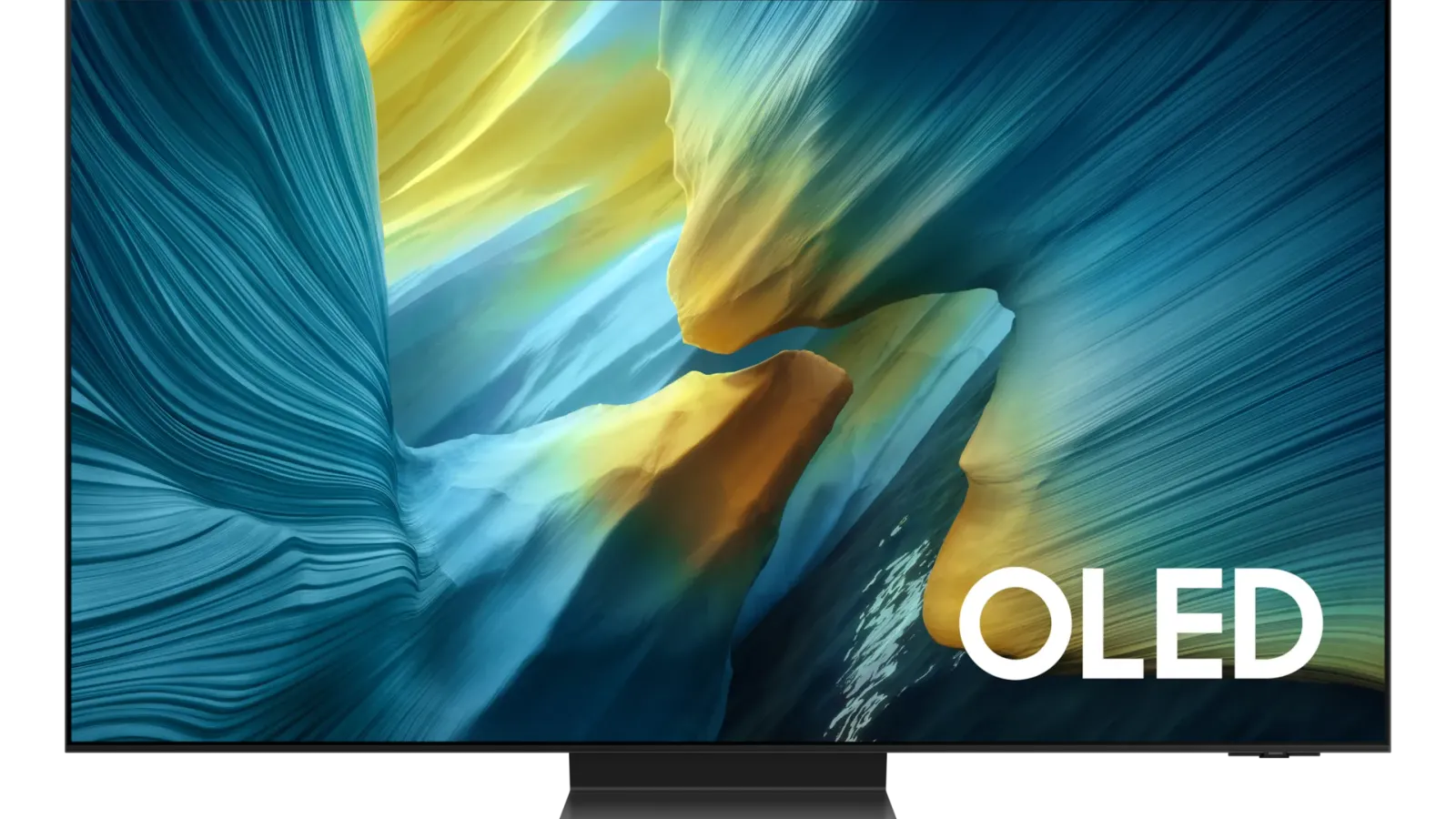
Samsung S95F 65-inch
Best 65-inch TV overall
- Best for
- Best 65-inch TV overall
- Why it is here
- Premium QD-OLED picture, wide viewing angle, strong bright-room handling
- Watch-out
- Premium price and no Dolby Vision

LG G6 65-inch
Best 65-inch Dolby Vision OLED
- Best for
- Best 65-inch Dolby Vision OLED
- Why it is here
- Cinematic processing, Dolby Vision, excellent design
- Watch-out
- Verified commercial context often decides whether it beats LG C/G value windows
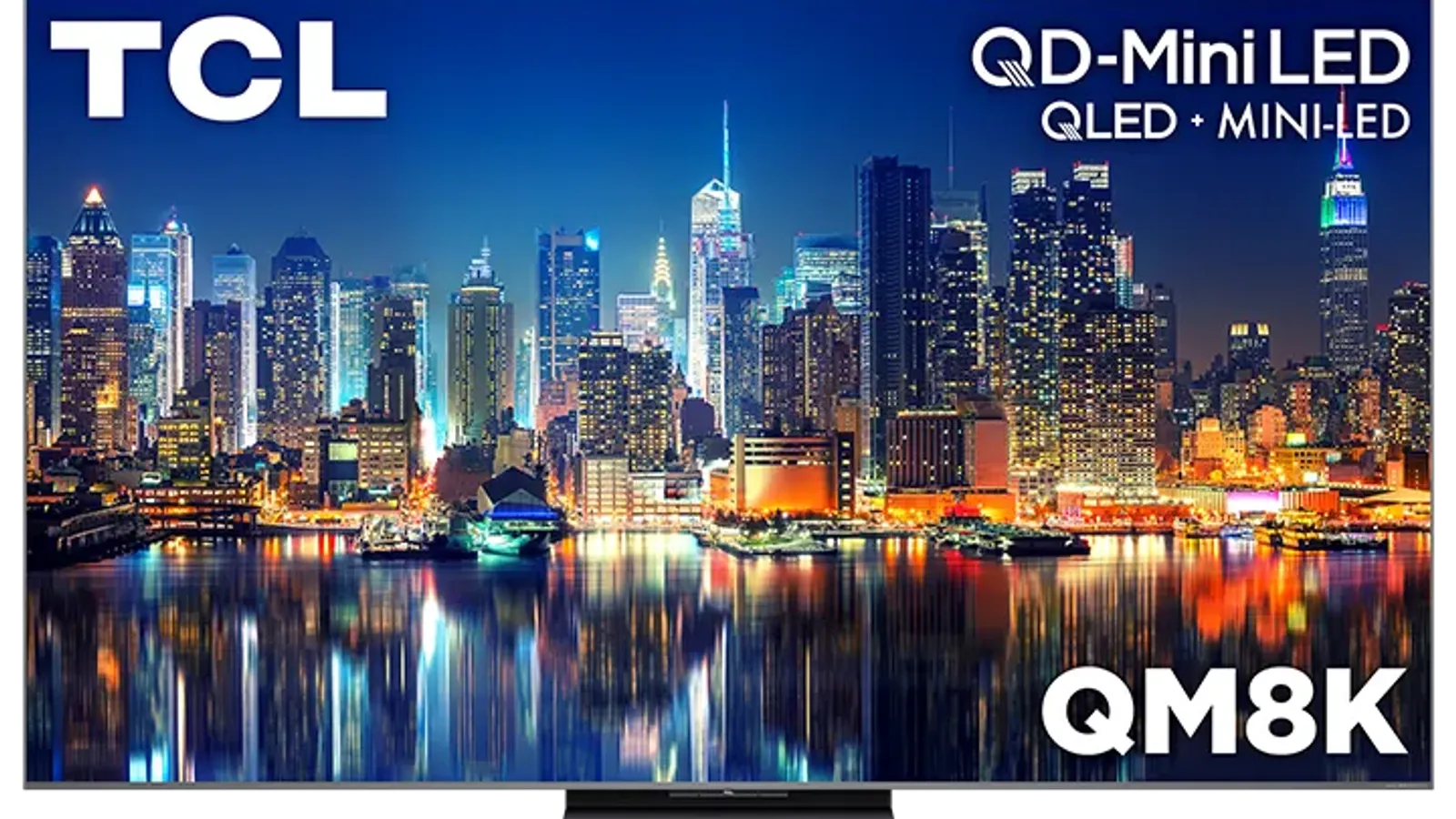
TCL QM8K 65-inch
Best 65-inch Mini LED
- Best for
- Best 65-inch Mini LED
- Why it is here
- High brightness, strong contrast, Dolby Vision/HDR10+
- Watch-out
- Not as wide-angle as OLED
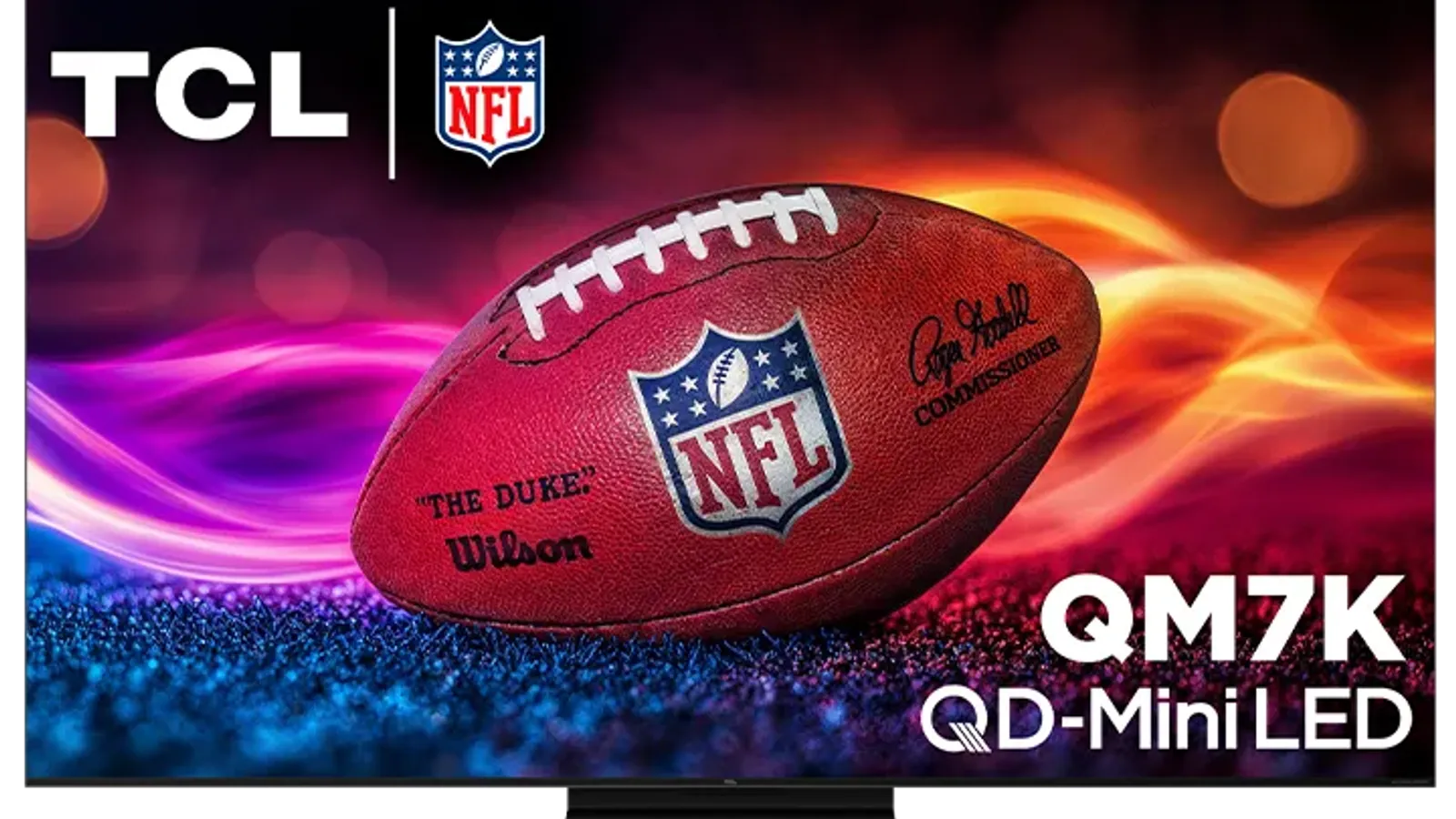
TCL QM7K 65-inch
Best lower mid-range 65-inch TV
- Best for
- Best lower mid-range 65-inch TV
- Why it is here
- Great feature set for the money
- Watch-out
- Less HDR punch than QM8K

TCL QM6K 65-inch
Best budget 65-inch when the offer lines up
- Best for
- Best budget 65-inch when the offer lines up
- Why it is here
- Modern gaming features and decent contrast
- Watch-out
- May move budget tier depending on retailer
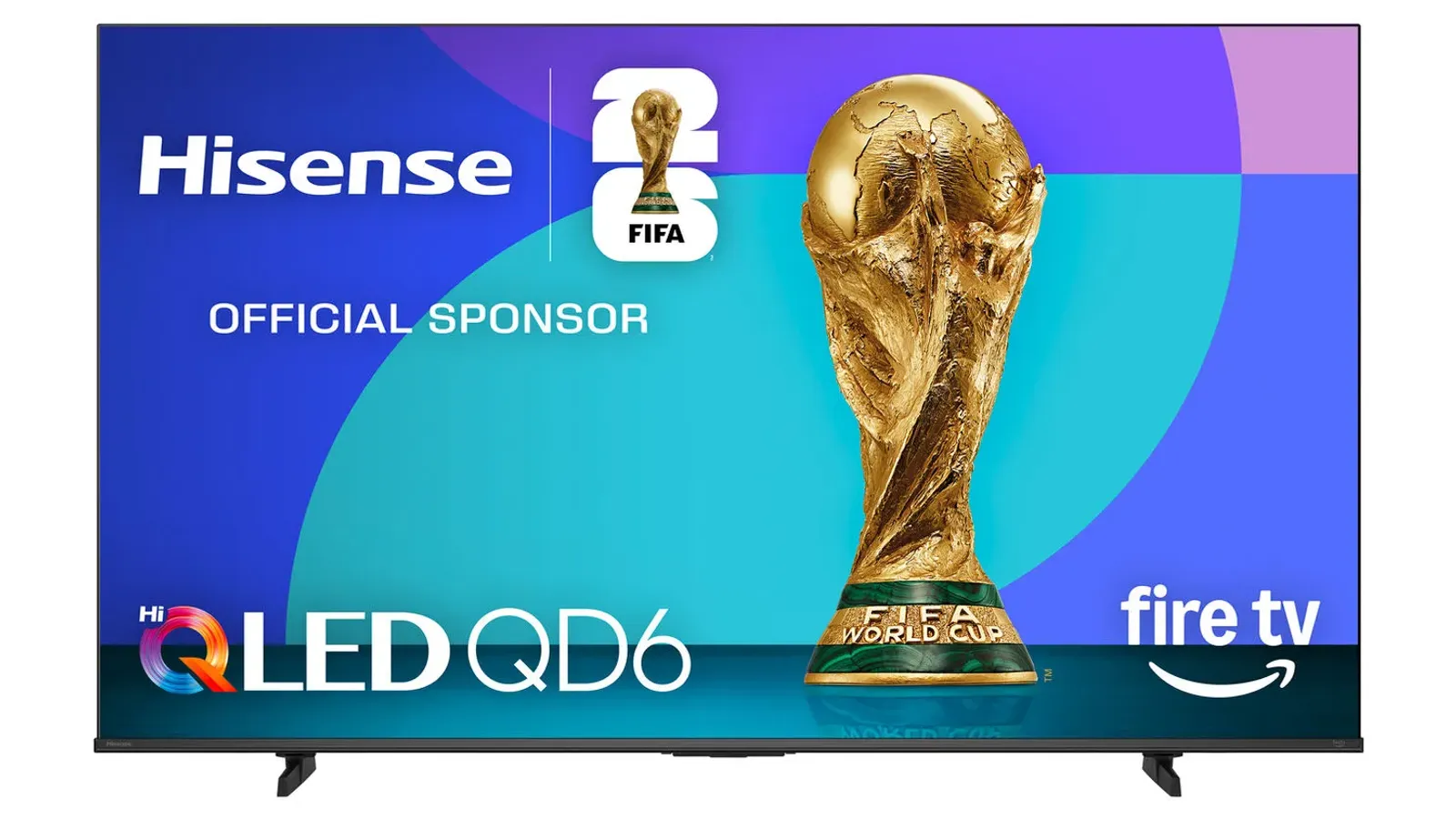
Hisense QD6QF 65-inch
Best cheap 65-inch TV
- Best for
- Best cheap 65-inch TV
- Why it is here
- Big screen for casual streaming at a lower-tier positioning
- Watch-out
- No local dimming
Related TVs best lists
Use these tvs lists to narrow the shortlist by use case, setup, and buyer constraints.
Best Gaming TVs for PS5 and Xbox
A Better Buy Lab guide to the best gaming TVs for PS5, Xbox Series X, PC, HDR gaming, bright rooms, and budget setups, built from RTINGS-backed rankings and buyer-first tradeoffs.
Best OLED TVs
A Better Buy Lab OLED TV guide built from RTINGS-backed rankings, with clear advice on QD-OLED vs WOLED, bright rooms, gaming, Dolby Vision, and value.
Best Budget TVs
The best budget TVs for buyers who want a real upgrade without paying premium TV tiers, including Mini LED, 65-inch, and gaming-focused options.
Best TVs for Most People
A Better Buy Lab guide to the best TVs for movies, bright rooms, sports, gaming, and tighter budgets, with clear RTINGS-backed tradeoffs and buyer-fit advice.
Related comparison
Compare the Samsung S95F and S90F on brightness handling, gaming fit, and day-to-day use cases using the same product notes we keep in our database.
Related buying guide
Use the OLED vs Mini LED guide to choose a panel direction before narrowing down products.
Quick Verdict
The 65-inch size is the sweet spot for many living rooms: big enough to feel cinematic, still manageable to mount, and listed in almost every meaningful TV lineup. If you only skim one section, use the table below to match the product to your room, budget, and main use case. The goal is not to crown the fanciest product; the goal is to prevent the wrong purchase.
Our recommendation logic is simple: start with the model that solves the biggest real-world problem, then check whether the value still makes sense today. A premium pick should earn its price through visible benefits. A budget pick should be cheap without creating buyer's remorse.
Comparison Table
| Pick | Best for | Why it is here | Watch-out |
|---|---|---|---|
| Samsung S95F 65-inch | Best 65-inch TV overall | Premium QD-OLED picture, wide viewing angle, strong bright-room handling | Premium price and no Dolby Vision |
| LG G6 65-inch | Best 65-inch Dolby Vision OLED | Cinematic processing, Dolby Vision, excellent design | Verified commercial context often decides whether it beats LG C/G value windows |
| TCL QM8K 65-inch | Best 65-inch Mini LED | High brightness, strong contrast, Dolby Vision/HDR10+ | Not as wide-angle as OLED |
| TCL QM7K 65-inch | Best lower mid-range 65-inch TV | Great feature set for the money | Less HDR punch than QM8K |
| TCL QM6K 65-inch | Best budget 65-inch when the offer lines up | Modern gaming features and decent contrast | May move budget tier depending on retailer |
| Hisense QD6QF 65-inch | Best cheap 65-inch TV | Big screen for casual streaming at a lower-tier positioning | No local dimming |
How We Chose
For this page, the editorial team should score each candidate against the following criteria:
- viewing distance
- mounting width
- brightness
- contrast
- viewing angle
- 65-inch deal-dependent value
- HDMI layout
- soundbar clearance
Do not rank products by spec-sheet glamour alone. Weight the criteria according to the reader's likely room and use case. For example, a buyer searching for best 65 inch TV usually wants a clean shortlist, plain-English trade-offs, and a fast path to a shortlist or deeper review.
1. Samsung S95F 65-inch: Best 65-inch TV overall
Expert take: This pick earns its place because it solves a specific tvs buying problem better than most alternatives at its price.
Why it makes the list: Premium QD-OLED picture, wide viewing angle, strong bright-room handling.
Who should buy it: Choose this if your priority is best 65-inch tv overall and the current value keeps it in the right tier. This is the product card where the editor should explain the real-world setup, not just repeat specs.
Who should skip it: Skip it if this caveat matters in your setup: Premium price and no Dolby Vision. That one detail can matter more than the headline spec.
2. LG G6 65-inch: Best 65-inch Dolby Vision OLED
Expert take: This pick earns its place because it solves a specific tvs buying problem better than most alternatives at its price.
Why it makes the list: Cinematic processing, Dolby Vision, excellent design.
Who should buy it: Choose this if your priority is best 65-inch dolby vision OLED and the current value keeps it in the right tier. This is the product card where the editor should explain the real-world setup, not just repeat specs.
Who should skip it: Skip it if this caveat matters in your setup: Verified commercial context often decides whether it beats LG C/G value windows. That one detail can matter more than the headline spec.
3. TCL QM8K 65-inch: Best 65-inch Mini LED
Expert take: This pick earns its place because it solves a specific tvs buying problem better than most alternatives at its price.
Why it makes the list: High brightness, strong contrast, Dolby Vision/HDR10+.
Who should buy it: Choose this if your priority is best 65-inch mini led and the current value keeps it in the right tier. This is the product card where the editor should explain the real-world setup, not just repeat specs.
Who should skip it: Skip it if this caveat matters in your setup: Not as wide-angle as OLED. That one detail can matter more than the headline spec.
4. TCL QM7K 65-inch: Best lower mid-range 65-inch TV
Expert take: This pick earns its place because it solves a specific tvs buying problem better than most alternatives at its price.
Why it makes the list: Great feature set for the money.
Who should buy it: Choose this if your priority is best lower mid-range 65-inch tv and the current value keeps it in the right tier. This is the product card where the editor should explain the real-world setup, not just repeat specs.
Who should skip it: Skip it if this caveat matters in your setup: Less HDR punch than QM8K. That one detail can matter more than the headline spec.
5. TCL QM6K 65-inch: Best budget 65-inch when the offer lines up
Expert take: This pick earns its place because it solves a specific tvs buying problem better than most alternatives at its price.
Why it makes the list: Modern gaming features and decent contrast.
Who should buy it: Choose this if your priority is best budget 65-inch when the offer lines up and the current value keeps it in the right tier. This is the product card where the editor should explain the real-world setup, not just repeat specs.
Who should skip it: Skip it if this caveat matters in your setup: May move budget tier depending on retailer. That one detail can matter more than the headline spec.
6. Hisense QD6QF 65-inch: Best cheap 65-inch TV
Expert take: This pick earns its place because it solves a specific tvs buying problem better than most alternatives at its price.
Why it makes the list: Big screen for casual streaming at a lower-tier positioning.
Who should buy it: Choose this if your priority is best cheap 65-inch tv and the current value keeps it in the right tier. This is the product card where the editor should explain the real-world setup, not just repeat specs.
Who should skip it: Skip it if this caveat matters in your setup: No local dimming. That one detail can matter more than the headline spec.
What To Avoid
- Avoid buying only because a product is value-positioned. A bad fit at a value window is still a bad fit.
- Avoid overpaying for features you will not use. A gaming-first feature set is wasted on a movie-only setup, and creator-grade accuracy is wasted on casual streaming.
- Avoid single-retailer tunnel vision. Check at least two retailers because availability, return windows, bundle offers, and price-match policies can change the true value.
- Avoid publishing this page without a price freshness check. The top recommendation can change when one model gets a major value window.
Buying Advice By Scenario
If you want the safest pick
Choose the product labeled Best overall if the reader wants the fewest compromises and is comfortable paying more for a complete experience.
If you want the best value
Choose the value or mid-range pick if the premium model is meaningfully more higher-commitment but does not solve a problem the reader actually has.
If you are budget-limited
Choose the budget pick only after verifying current price, stock, warranty, and return policy. Budget products are where retailer support matters most.
If you are waiting for a sale
If you are not buying today, keep the shortlist and re-check it when verified deal paths are available.
FAQ
Is 65 inches big enough?
For many living rooms, yes. A 65-inch TV feels immersive from roughly 7 to 9 feet away, depending on how cinematic you want the image to feel.
Should I buy a 65-inch OLED or 75-inch Mini LED?
Choose 65-inch OLED if contrast and viewing angle matter most. Choose 75-inch Mini LED if size and brightness matter more than perfect black levels.
Can a 65-inch TV fit on my stand?
Check the TV width, stand-foot spacing, and soundbar height. Some center-stand designs are easier to place than wide feet.
When is the best time to buy a 65-inch TV?
Major holiday sales, new-model transitions, and late-year clearance periods tend to produce the best 65-inch value windows.