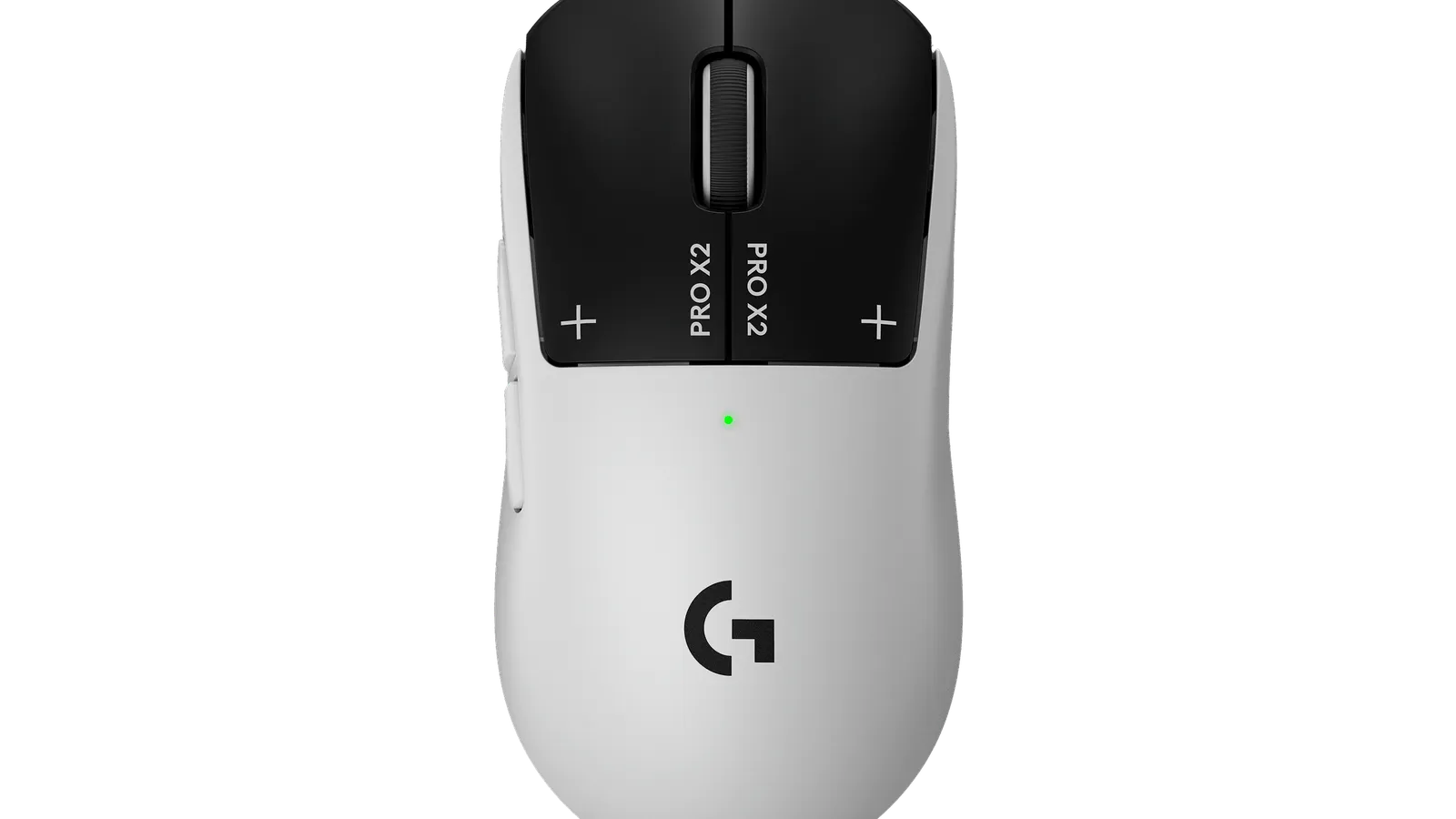
Grip, hand fit, wired versus wireless friction, genres you play, and comfort after long sessions.
Wireless gaming mice anchor this desk aisle—FPS, macro layouts, hand fit, and budget wireless questions route into one checklist with keyboard and monitor companions.
We avoid fabricated latency contests or unpublished motion studies; wording stays with shape, sensible weight targets, credible wireless dropout expectations, and what you corroborate on listings you trust.
Better Buy Lab Mice guides help shoppers work through Wireless gaming mouse picks with grip ergonomics, button counts, wired fallbacks, and keyboard plus monitor companions on the desk..
Wireless gaming mice anchor this desk aisle—FPS, macro layouts, hand fit, and budget wireless questions route into one checklist with keyboard and monitor companions.
We avoid fabricated latency contests or unpublished motion studies; wording stays with shape, sensible weight targets, credible wireless dropout expectations, and what you corroborate on listings you trust.
Pair with mechanical keyboards when typing feel, layout, and switch choice matter on the same desk.
Open gaming monitors when refresh and motion should match your mouse lane.
Start here
Mouse intents before you open the checklist
Every lane collapses toward the wireless gaming-mouse guide we publish today—scenario copy explains why grips, workloads, ergonomics, and budgets still deserve separate skim tracks.
Wireless gaming mouse checklist
Primary lane comparing grip arcs, chassis weight discipline, dependable wireless receivers, DPI habits you honestly use, RGB battery tax, and what we still verify externally before shopping links attach to those picks.
Shape confidence, repeatable sensor behavior on your desk pad, dependable primary buttons, modest lift-off distance quirks—articulated without implying synthetic aim labs we never published.
Side-button grids, tactile differentiation, reachable sniper clutch toggles—keep expectations realistic about accidental mis-clicks until you remap in software tied to OEM drivers.
Stack savings against rechargeable versus disposable AA cycles, dongle necessities, firmware polish, warranty clarity—paired monitor lane below only when panel upgrades share the roadmap.
Wireless gaming mice: who should go wireless versus wired, FPS versus MMO fit, grip and hand sizing, USB dongle placement, polling clarity, batteries, mice hub links. Better Buy Lab keeps prices and storefront modules off emitted pages until approvals exist.
Anchors for mechanical typing posture and gaming displays—the same reciprocal lanes noted on the keyboards hub stay visible here without adding storefront tooling.
Panel motion and desk depth when keyboard and mouse upgrades share the same project.
Better Buy Lab uses these guides to organize product trade-offs before showing scores, live prices, or stock claims. The focus here is fit: room, budget tier, use case, maintenance, and buyer risk.
Key buying checks
How to choose a mouse that fits your hand and desk
Grip shape, tracking on your pad or desk surface, weight, and wired versus wireless reliability matter more than maximum DPI. Start here when you are narrowing options in this category.
Shape and size for your grip
Palm, claw, and fingertip grips need different height and width. Discomfort appears after sustained use.
Best for
Anyone replacing an uncomfortable bundled mouse.
Watch out
Very light mice can feel unstable for some grip and sensitivity combinations.
What to check
Hand size guidance, grip style, left-hand availability.
Tracking on your desk or pad
Reflective or transparent surfaces cause tracking issues even on high-end sensors without a proper pad.
Best for
Users who know their DPI range and game or work sensitivity.
Watch out
Dust on the lens causes erratic movement.
What to check
Pad surface and color, cleaning habit, lift-off distance preference.
Weight and charging schedule
Heavier mice can feel steadier; lighter mice reduce fatigue. Lighting drains small internal batteries faster.
Best for
Long sessions without wanting mid-week charging.
Watch out
Charging docks must fit desk layout or they become inconvenient.
What to check
Weight, battery life with lighting on and off, cable for wired use, dock footprint.
Wired versus wireless for your desk
Cable drag bothers some users; wireless depends on receiver placement and USB port quality.
Best for
Competitive play where consistent tracking matters.
Watch out
Poor USB hubs can cause brief connection issues.
What to check
Cable flexibility, dongle extension, Bluetooth limits, backup cable.
Confirm the exact model before you buy
Model names, regions, and bundles change what is in the box. Check the manufacturer page for your country, the seller listing, warranty text, and which accessories are included.
Best for
Buyers who shop online and need the shipment to match the configuration they selected.
Watch out
Small naming differences can mean different ports, stands, or power adapters between regions.
What to check
SKU, country variant, return window, warranty, and that photos match the product you add to the cart.
When headline specifications miss real-world limits
A strong specification can still disappoint if glare, noise, edge cleaning, or return terms do not fit how you use the product.
Best for
Buyers who want to compare trade-offs before deciding.
Watch out
Marketing often assumes ideal conditions; your room, hearing, or layout may differ.
What to check
Return policy, upkeep (filters, bags, mop pads), physical fit in the space, and whether the downsides are acceptable.
All mouse buying lists
The wireless gaming mouse checklist publishes here—scenario cards above separate FPS, macro, hand fit, and budget intents.
Wireless gaming mice: who should go wireless versus wired, FPS versus MMO fit, grip and hand sizing, USB dongle placement, polling clarity, batteries, mice hub links. Better Buy Lab keeps prices and storefront modules off emitted pages until approvals exist.