Mechanical keyboards checklist
Canonical lane for sizing layouts, evaluating switch feel versus noise limits, judging build flex, balancing wired versus dongled wireless, and planning hot-swap or soldered maintenance.
Keyboard buying guides
Our checklist focuses on sizing the right layout, tactile versus linear choices, audible character for shared desks, dongle habits, and aligning posture with monitors and mice you already intend to swap. Each scenario below maps to the same published mechanical keyboards guide.
Better Buy Lab does not claim proprietary acoustic benchmarking or keystroke laboratories; treat notes as trade-offs you can cross-check against manufacturer specs and reviewer write-ups.
Start here
Better Buy Lab Keyboards guides help shoppers work through Mechanical keyboard guidance for layouts, switches, typing noise beside coworkers, connectivity, paired gaming mice, and monitors..
Our checklist focuses on sizing the right layout, tactile versus linear choices, audible character for shared desks, dongle habits, and aligning posture with monitors and mice you already intend to swap. Each scenario below maps to the same published mechanical keyboards guide.
Better Buy Lab does not claim proprietary acoustic benchmarking or keystroke laboratories; treat notes as trade-offs you can cross-check against manufacturer specs and reviewer write-ups.
Start here
Each lane still opens the mechanical keyboards checklist—separate cards keep office noise, gaming motion, budgeting, wireless, and methodology intents from blurring together. Buttons stay commerce-free until pick entries document their product checks on file.
Canonical lane for sizing layouts, evaluating switch feel versus noise limits, judging build flex, balancing wired versus dongled wireless, and planning hot-swap or soldered maintenance.
When coworkers sit nearby, audible switch character, chassis ping, stabilizer chatter, and whether you need quieter linears outweigh RGB highlights.
Switch choices still matter alongside refresh discipline and panel behavior—carry keyboard questions forward while sanity-checking desk motion budgets before you reorder hardware elsewhere.
Use the same checklist to grade entry boards without assuming every budget SKU ships flawless stabilizers—focus on replacements, QC tolerance, and what you tolerate while prices stay transparent off-site.
Dongles, RF versus Bluetooth compromises, onboard storage for profiles, firmware cadence—pair with docking habits so batteries and wake behavior match how you roam between machines.
Keep methodology and storefront verification checkpoints nearby while you skim cards—everything here stays descriptive, not storefront-tracked.
Recommended first step
Open the primary shortlist, scan buyer-fit and trade-off notes, then jump to a narrower guide if your room or use case is already specific.
Featured shortlist
Open when scenario cards narrowed office noise, gaming motion, budgeting, wireless, or pairing questions—layouts and switches consolidate here.
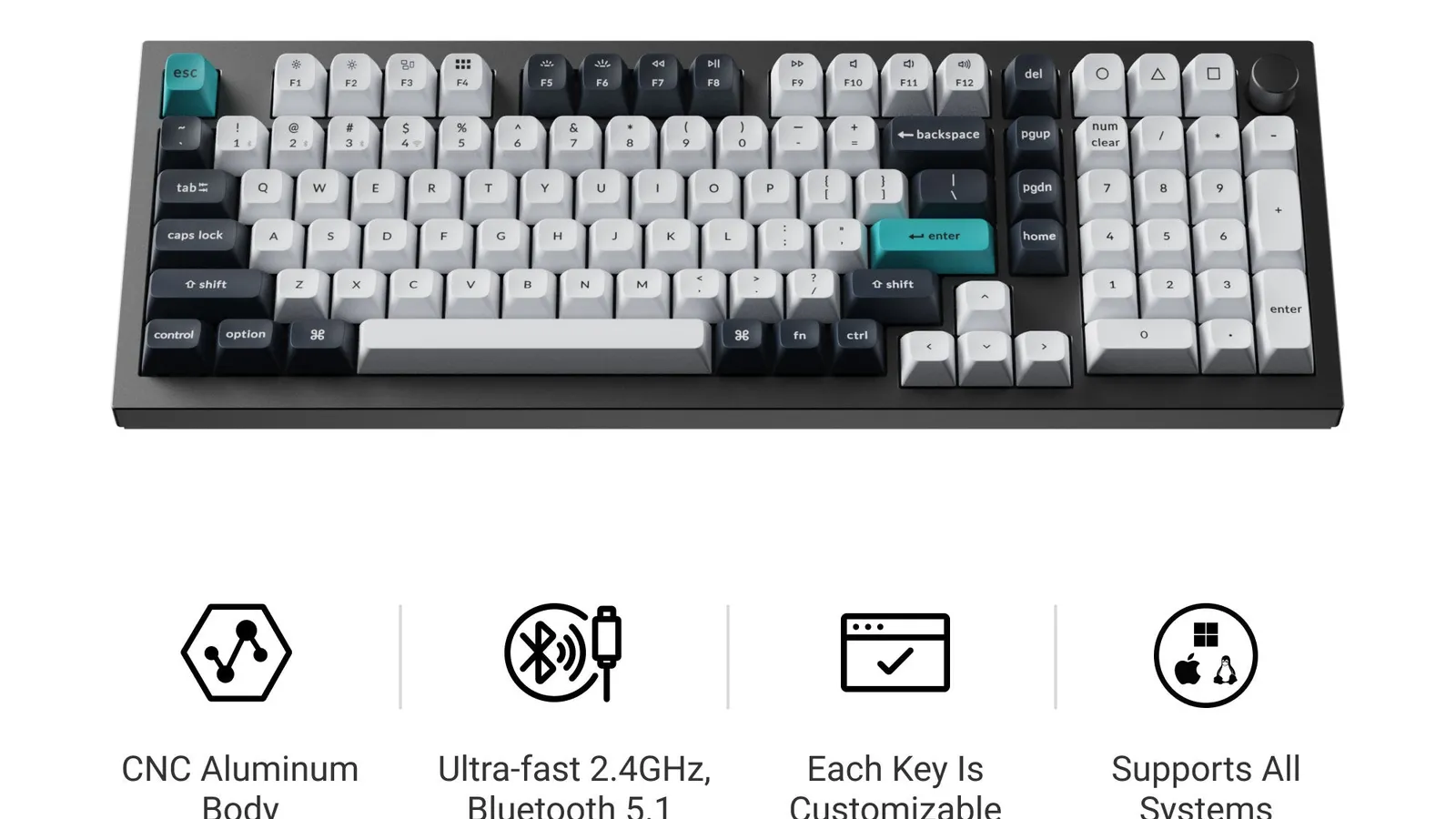
How to choose a mechanical keyboard: switch types, layout sizes, hot-swap, wireless habits, stabilizers, software, gaming vs typing vs office setups. Better Buy Lab does not quote live prices.
Open mechanical keyboards checklistPointing device & display pairing
Lightweight cards for the peripherals that flank mechanical keyboards once typing posture settles—everything remains commerce-free until verification releases shopping tools site-wide.
Compare grip-friendly wireless picks that usually sit beside mechanical boards on gaming desks—with battery and ergonomics spelled out plainly.
When keyboard upgrades coincide with upgrading motion clarity, revisit panel fit, HDR discipline, HDMI planning, and desk depth before narrowing SKUs elsewhere.
Return to sibling mouse guidance if you refresh pointing hardware before swapping keycaps.
Related aisles
These hubs cross-link by design—open the aisle that matches the symptom before you compare SKUs inside one guide.
Streaming hardware, budget scrutiny, and privacy paperwork—when tunnels are the actual question.
Mesh, large-home routers, backhaul, and ISP realism—when Wi‑Fi fails with VPN off.
Layouts, switches, office noise, and wireless habits on one mechanical checklist.
FPS, macro layouts, hand fit, and long-session comfort on the wireless gaming checklist.
Panel motion and desk depth when keyboard and mouse upgrades share the same project.
Better Buy Lab uses these guides to organize product trade-offs before showing scores, live prices, or stock claims. The focus here is fit: room, budget tier, use case, maintenance, and buyer risk.
Key buying checks
Layout, switch feel, wired or wireless needs, and case quality matter more than lighting features. Start here when you are narrowing options in this category.
Compact boards save space but may hide punctuation or arrows behind function layers.
Users who know which keys they need for work and travel.
Missing numpad or arrow cluster frustrates spreadsheet and navigation workflows.
Numpad need, arrow keys, function row, travel size constraints.
Clicky switches are distracting in open offices; hot-swap boards let you change switches later.
Typists who care about tactile feedback and noise limits.
Soldered budget boards lock you into one switch type.
Switch family, noise ceiling, hot-swap support, dampening options.
Bluetooth suits light office use; low-latency wireless or wired suits fast-paced games.
Users who switch between laptop and desktop often.
Some models need software for basic remapping or lighting.
Latency needs, dongle storage, Bluetooth limitations, software dependency.
Flex and hollow sound affect long sessions; adjustable feet or a separate wrist rest may help.
Writers and developers on multi-hour sessions.
Sharp edges or slippery feet reduce comfort even with good switches.
Case material, default angle, aftermarket rest needs, flex in reviews.
Model names, regions, and bundles change what is in the box. Check the manufacturer page for your country, the seller listing, warranty text, and which accessories are included.
Buyers who shop online and need the shipment to match the configuration they selected.
Small naming differences can mean different ports, stands, or power adapters between regions.
SKU, country variant, return window, warranty, and that photos match the product you add to the cart.
A strong specification can still disappoint if glare, noise, edge cleaning, or return terms do not fit how you use the product.
Buyers who want to compare trade-offs before deciding.
Marketing often assumes ideal conditions; your room, hearing, or layout may differ.
Return policy, upkeep (filters, bags, mop pads), physical fit in the space, and whether the downsides are acceptable.
The mechanical keyboards checklist publishes here—scenario cards above map gaming, office, layout, and wireless intents.
How to choose a mechanical keyboard: switch types, layout sizes, hot-swap, wireless habits, stabilizers, software, gaming vs typing vs office setups. Better Buy Lab does not quote live prices.