Guide summary
Best dehumidifiers for damp basements
Basement moisture needs pint capacity, drain options, and where the unit can live—not a living-room purifier sized for the wrong job.
5 of 5 shortlist picks have editorial photos on this page.
- Category
- Air Quality
- Shortlist
- 5 tracked picks
- Lead pick
- GE APYR50LC
- Use case
- Best basement dehumidifier overall
Key buying checks
How to choose the right air purifier or dehumidifier
Room volume, noise at the fan speeds you will run, ongoing filter cost, and humidity goals determine whether a unit is appropriate. Use these checks while you read the shortlist—they separate good fits from common buyer mistakes.
Match airflow to real room size and layout
A unit suited to a closed bedroom may be undersized for an open plan. Ceiling height and open doorways matter.
Bedrooms, offices, and other rooms where doors can stay mostly closed.
Open layouts often need higher airflow or more than one unit.
CADR or airflow claims, rated room size, ceiling height, fan speeds you will run, filter type.
Noise and display behavior where it will sit
A sound level fine in a living room may be disruptive in a nursery; lights on the unit can matter at night.
Bedroom or desk placement with overnight use.
Very quiet night modes may move too little air to be effective.
Published noise curves, night modes, display dimming, clearance around intakes.
Estimate filter replacement costs before buying
Low purchase price with expensive or scarce filters increases long-term cost. Washable stages still take time.
Buyers who want predictable yearly operating cost.
Uncommon filter part numbers complicate replacements.
Filter availability, replacement interval, price per year, sensor cleaning if any.
Dehumidifier capacity for the space and climate
Basements, whole-home drying, and portable spot use need different pint ratings and drainage options.
Damp basements, humid seasons, or laundry areas needing moisture control.
Undersized tanks mean frequent emptying; poor drainage adds chores.
Pint rating for your climate, low-temperature behavior, gravity versus pump drain.
Confirm the exact model before you buy
Model names, regions, and bundles change what is in the box. Check the manufacturer page for your country, the seller listing, warranty text, and which accessories are included.
Buyers who shop online and need the shipment to match the configuration they selected.
Small naming differences can mean different ports, stands, or power adapters between regions.
SKU, country variant, return window, warranty, and that photos match the product you add to the cart.
When headline specifications miss real-world limits
A strong specification can still disappoint if glare, noise, edge cleaning, or return terms do not fit how you use the product.
Buyers who want to compare trade-offs before deciding.
Marketing often assumes ideal conditions; your room, hearing, or layout may differ.
Return policy, upkeep (filters, bags, mop pads), physical fit in the space, and whether the downsides are acceptable.
Who this is for: Buyers tackling basement dampness, musty storage, laundry-room humidity, or whole-home comfort dragged down by a wet lower level.
What a dehumidifier can do: Remove moisture from the air, collect water in a bucket or drain hose, and help materials dry faster when sized and maintained for the space. It can make musty rooms more comfortable when humidity stays in a realistic target range.
What it cannot replace: Fixing active leaks, grading, sump failures, or standing water. Better Buy Lab does not claim mold removal, disease prevention, or guaranteed health outcomes from retail appliances.
Plan before SKUs: Pint-capacity claims to verify on listings, drain hose or pump paths, room temperature limits, bucket discipline, noise, and placement with airflow around the coil.
When particles matter more: Upstairs pollen, dust, or pet dander may need allergy air purifiers instead of—or in addition to—basement moisture control. Use the air quality guides to split the problems honestly.
Start with the symptom
Choose by moisture problem
Match dampness, drains, and noise limits first—then use the shortlist for models that fit that lane.
Damp basement
When it fits: Concrete feels wet after rain, humidity stays high, or the space never dries between weather swings.
What to check: Estimate moisture severity, plan pint-class headroom, and map a drain path before you compare SKUs.
Basement dehumidifier guideLaundry room
When it fits: Dryer steam, plumbing, or a utility sink keeps a small zone humid even when the rest of the house feels fine.
What to check: Check hose length to the nearest drain, pump versus gravity options, and who will maintain the line monthly.
Utility room pathMusty storage area
When it fits: Cardboard, fabrics, or tools smell musty and materials feel clammy even without standing water.
What to check: Confirm airflow around stacks, target humidity you can sustain, and whether filtration upstairs is a separate project.
Storage and workshopContinuous drain setup
When it fits: You want hands-off operation into a floor drain, utility sink, or sump path instead of bucket discipline.
What to check: Verify pump support on the listing, hose routing, and restart behavior after power outages before you buy.
Drain-first planningBucket emptying
When it fits: No drain is available and a household member can empty the tank on a predictable schedule.
What to check: Compare tank size to expected daily removal, alarm behavior, and whether full-tank shutoff fits your routine.
Bucket disciplineCold basement
When it fits: Winter soil temperatures or unconditioned corners keep the space cool year-round.
What to check: Read minimum operating temperature on the listing and place the unit where mild airflow still reaches the coil.
Low-temperature pathNoise-sensitive room
When it fits: A media room, bedroom, or office in the basement needs acceptable fan noise at night.
What to check: Compare fan-speed noise claims, heat output in the room, and whether capacity still matches moisture load at lower speeds.
Finished basement comfortSevere water problem requiring repair
When it fits: Active leaks, standing water, foundation drainage failures, or widespread visible mold need remediation—not only a portable unit.
What to check: Stop the water source and involve qualified help for serious intrusion; a dehumidifier supports drier air after repairs—it does not replace them.
When repair comes firstBefore you buy
Pre-buy checklist
Walk this list before you treat a shortlist row as the fix—many failures are drain, temperature, or sizing problems.
- Pint capacity claims: compare manufacturer pint-class language on the exact listing to your moisture severity—do not trust square-foot marketing alone.
- Drain hose: confirm port size, included adapters, and whether gravity fall reaches your drain without kinks.
- Pump versus gravity drain: verify pump inclusion on the SKU if condensate must rise to a sink or distant line.
- Room temperature: read minimum operating temperature on the listing for cold basements and seasonal swings.
- Bucket size: match tank volume to how often someone will empty it if you are not draining continuously.
- Noise: compare fan-speed noise claims for finished rooms where the unit may run overnight.
- Maintenance: plan coil filter washes, hose checks, and restart behavior after power blips before you rely on hands-off operation.
- Placement: allow intake and exhaust clearance; avoid burying the unit behind stored goods that block airflow.
Basement buyer depth
What this guide covers for damp basement buyers
The modules above translate moisture-heavy questions into shortlist roles. Final SKU facts, merchant images, tracked commerce links, and schema stay blocked until product and retailer checks finish.
When the problem is pollen, dust, or dander in living spaces—not basement moisture—Best air purifiers for allergies and Air quality guides hub is the calmer lane than adding pint capacity downstairs; Pint-class headroom, gravity versus pump drains, hose routing, and emptying discipline matter more than a dehumidifier badge on the spec sheet.
When basement dehumidifier shortlist models stay live but pint capacity, drain setup, and microclimate fit still need homework, cross-read ProBreeze PB-03 product note—commerce-free checklist pages beside this guide, not storefronts.
Moisture load before brand loyalty
Severe damp, moderate finished-room comfort, and micro-zone needs are separated so pint-class marketing does not override drain reality or noise tolerance.
Drain strategy spelled out
Gravity hose paths, pumped lifts to sinks, and bucket discipline stay explicit so buyers do not discover plumbing limits after purchase.
Repair-first warnings stay visible
Active leaks and serious water intrusion need remediation and qualified help—a dehumidifier supports drier air after fixes, not instead of them.
Particle triggers routed elsewhere
When pollen, dust, or dander upstairs dominate, pair with the allergy purifier guide after moisture triggers are honest.
Commerce and measurement gates stay closed
Measured removal curves we have not run, live pricing, affiliate modules, review scores, and mold or health outcome claims remain off this public page.
Basement dehumidifier pick logic
How to read the basement dehumidifier shortlist
These notes explain buyer lanes for this guide—not lab removal curves, live prices, seller stock claims, or scored review rankings.
GE APYR50LC
- Buyer type
- Large damp basement capacity
- Why it's listed here
- Listed when high pint-class headroom and continuous drain planning matter more than compact footprint.
- Watch out
- Noise and heat in finished rooms may matter—confirm placement and fan speeds on the listing.
- Verify on listing
- Confirm GE model suffix, pint rating language, drain kit contents, and minimum temperature guidance on the retailer page.
Midea MAD35S1QWT
- Buyer type
- Mid-size finished basement comfort
- Why it's listed here
- Listed when moderate moisture loads need a balance of capacity, app visibility, and livable fan noise.
- Watch out
- Severe open damp workshops may need a larger class—do not undersize a wet open footprint.
- Verify on listing
- Verify Midea SKU, bucket versus hose setup, and pump options exactly as sold—not assumed here.
Waykar PD160B
- Buyer type
- Pump-friendly drain lifts
- Why it's listed here
- Listed when condensate must rise to a sink or distant drain and pump support is part of the buying decision.
- Watch out
- Pump maintenance and winter hose risks still need a plan—confirm pump inclusion on the exact listing.
- Verify on listing
- Confirm Waykar model, pump specifications, hose length limits, and warranty on the carton you receive.
GE ADHL35LA
- Buyer type
- Value mid-capacity basement lane
- Why it's listed here
- Listed when buyers want a mainstream mid pint class without flagship pricing—if drain and noise fit the room.
- Watch out
- Compact picks can run constantly in severe damp—step up class or fix drainage first when in doubt.
- Verify on listing
- Confirm GE ADHL35LA versus similar codes, drain port layout, and rated coverage area on the listing.
ProBreeze PB-03
- Buyer type
- Smaller zone or light dampness
- Why it's listed here
- Listed for storage corners, small rooms, or lighter moisture where a compact role is the appropriate compromise.
- Watch out
- Not a substitute for a wide-open wet basement—undersized units may run nonstop without reaching target humidity.
- Verify on listing
- Confirm Pro Breeze model, tank size, continuous drain accessories, and minimum temperature notes on the listing.
FAQ
Common basement dehumidifier questions
Particles versus moisture
When pollen, dust, or pet dander upstairs is the main trigger, see our allergy air purifier guide—moisture control and particle filtration are different tools.
Will a dehumidifier fix a damp basement?
It can help lower humidity in the space when sized correctly, drained reliably, and run where temperature limits allow—but it does not fix active leaks, foundation water, or serious intrusion. Repair the water path first when standing water or ongoing leaks are present.
What size dehumidifier do I need?
Match pint-class claims on the listing to how wet the space feels, how open the footprint is, and whether you can drain continuously. Severe damp open basements usually need more headroom than compact marketing for small rooms.
Should I use a drain hose?
Yes when someone will not empty a bucket daily—gravity hoses to a floor drain or utility sink are the most reliable hands-off path when fall and port layout work. Confirm included hoses and adapters on the exact SKU.
Is a pump worth it?
Worth considering when condensate must rise to a sink or distant drain and the listing confirms pump support for that model. Pumps add maintenance and noise trade-offs—skip if gravity drain already works.
Does Better Buy Lab show live prices on this page?
No. This guide stays informational until product details and retailer paths pass our verification checklist. We do not publish live prices, stock claims, or affiliate buy buttons here today.
Shortlist at a glance
Use these cards to scan the buyer fit, reason for inclusion, and watch-out before reading the full editorial notes.
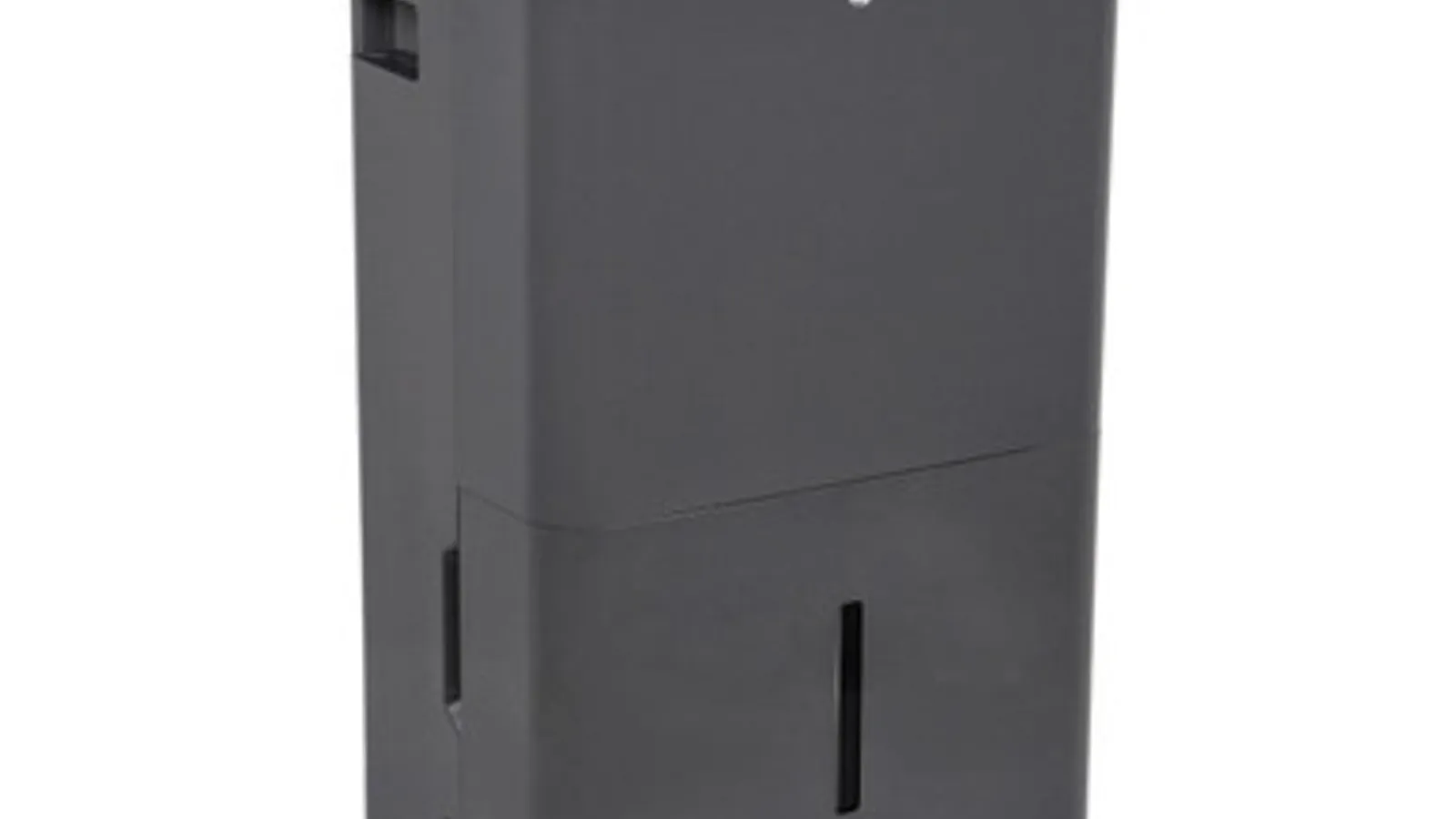
GE APYR50LC
Best basement dehumidifier overall
- Best for
- Best basement dehumidifier overall
- Why it is here
- Higher pint-class capacity suited to large, persistently damp areas; built-in pump options help when gravity drainage is awkward; useful when moisture load is the main problem.
- Watch-out
- Bulky, louder than compact units, and adds noticeable heat and fan noise—easy to oversize for small finished rooms.
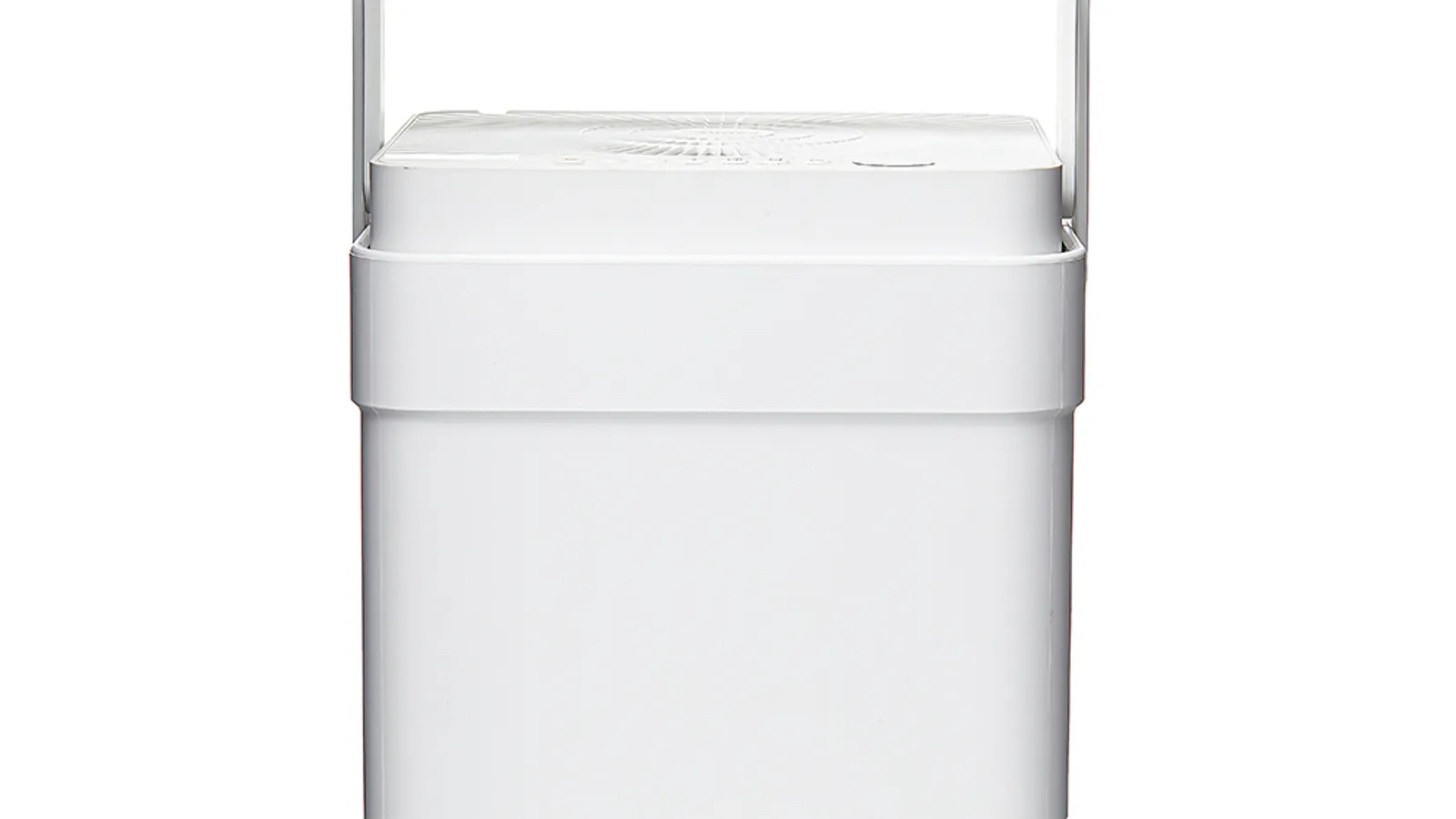
Midea MAD35S1QWT
Best mid-range basement dehumidifier
- Best for
- Best mid-range basement dehumidifier
- Why it is here
- Balanced medium-basement profile with app-friendly controls and a collapsible / space-aware form factor for tight utility corners.
- Watch-out
- No built-in pump in this shortlist role—plan gravity drainage or expect heavy bucket trips if you cannot plumb a floor drain.
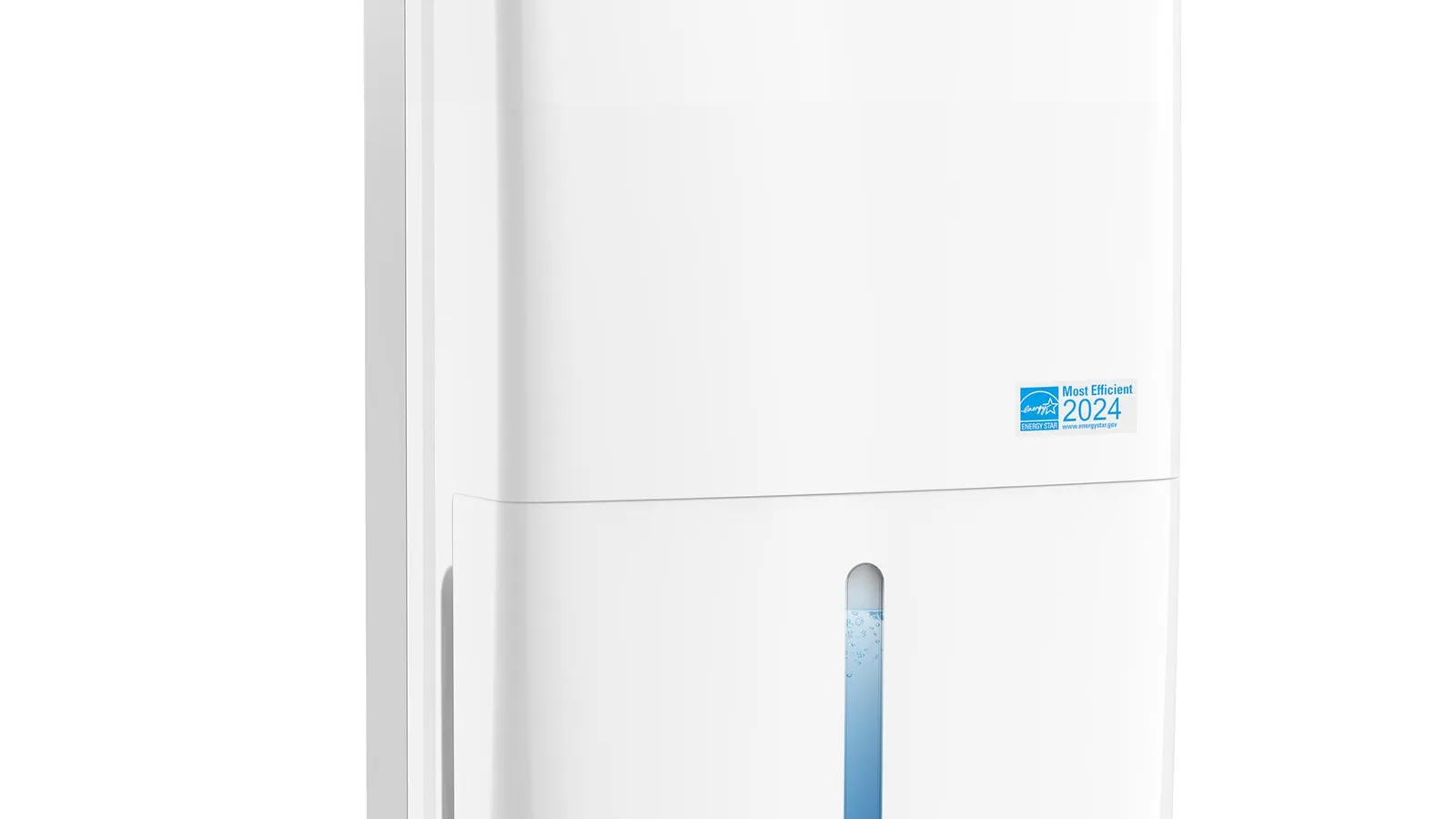
Waykar PD160B
Best budget small-basement dehumidifier
- Best for
- Best budget small-basement dehumidifier
- Why it is here
- Compact footprint and quieter everyday behavior for single-room damp zones or lighter moisture—not a whole-level rescue.
- Watch-out
- Underpowered for very wet or open unfinished footprints; treat it as a zone tool, not a substitute for a large dehumidifier plan.

GE ADHL35LA
Best simpler 35-pint alternative
- Best for
- Best simpler 35-pint alternative
- Why it is here
- Simpler 35-pint-class GE path when you want credible mid capacity without paying for every flagship convenience.
- Watch-out
- Fewer pump-forward conveniences than the large GE pick—confirm your drain path before you commit mentally to “set and forget.”
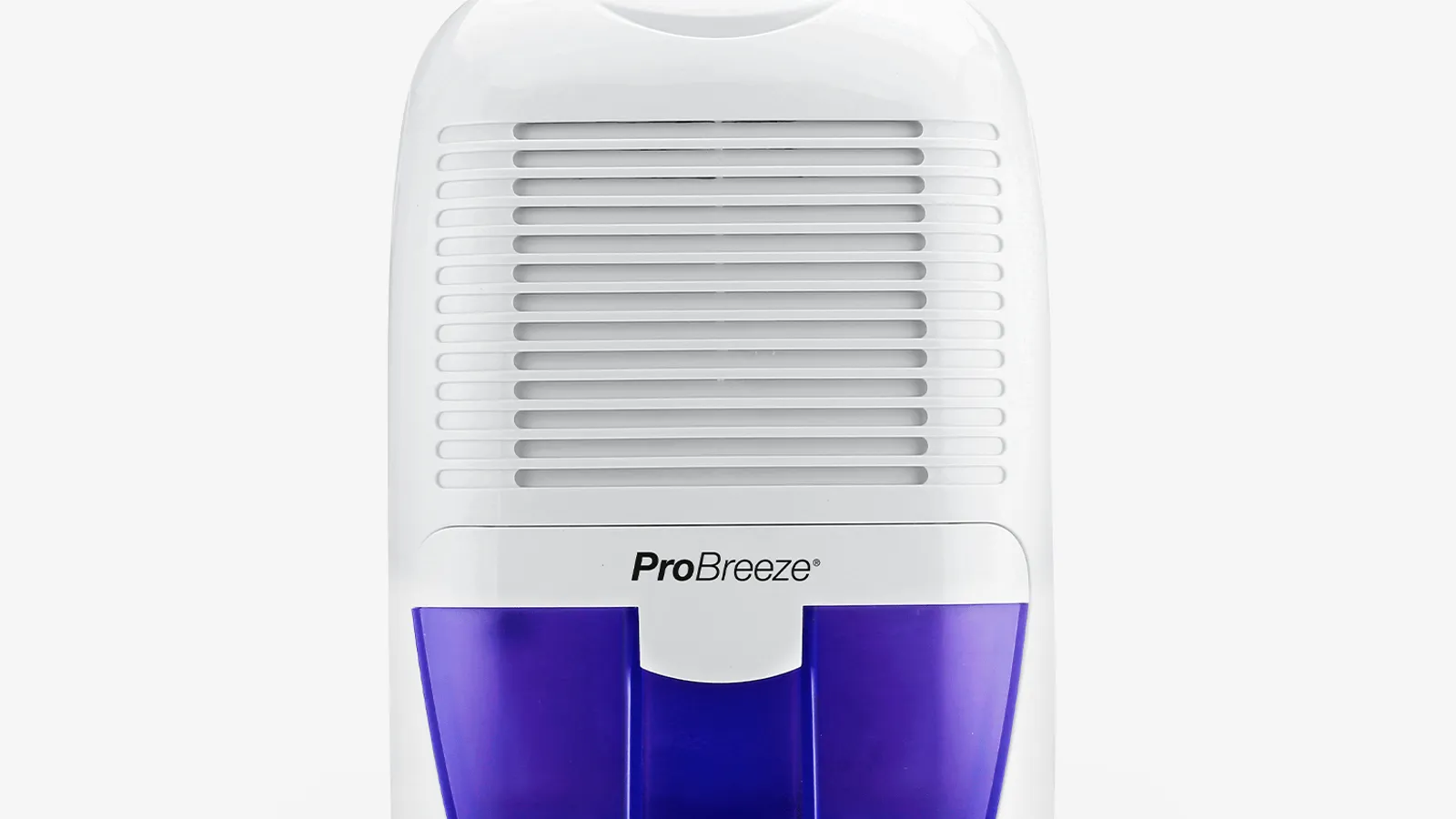
ProBreeze PB-03
Best closet/storage micro dehumidifier
- Best for
- Best closet/storage micro dehumidifier
- Why it is here
- Tiny-space moisture tap for cabinets, storage nooks, or tool closets where a full appliance is absurd.
- Watch-out
- Not a substitute for whole-room basement control—keep expectations in the “small volume only” lane.
Related Air Quality best lists
Use these air quality lists to narrow the shortlist by use case, setup, and buyer constraints.
Best Air Purifiers for Allergies
A practical allergy air purifier guide focused on CADR, room size, HEPA filtration, noise, pets, pollen, dust, and filter replacement costs.
Quick Verdict
A basement dehumidifier manages air moisture—it does not replace grading, gutters, foundation repair, or fixing an active leak path. Start by ruling out water intrusion and obvious drainage problems; once humidity is the main story, the right dehumidifier can make a space less musty, protect materials, and support day‑to‑day comfort.
Plain-language bottom line: match pint-class capacity to the real wetness of the space, plan how water leaves the unit (bucket, floor drain, or pump to a sink), and be honest about temperature—cold basements can reduce effective performance for compressor models depending on ambient conditions.
Use the comparison table for a fast scan, then align with the decision map and pick logic above the shortlist. This guide is original Better Buy Lab structure informed by common category buying guidance (including mainstream review reference points); we do not run in-house climate-chamber tests and we avoid storefront prices or shopping links here.
Buyer routing at a glance:
- Damp or unfinished footprint: prioritize moisture class plus honest air circulation; expect more water volume than a polite spec table implies.
- Laundry or utility nook: prioritize how condensate leaves—drain proximity, pumped lift, and whether someone will babysit buckets.
- Whole-home comfort dragged by downstairs humidity: stabilize the basement first, then reconsider upstairs HVAC airflow and envelope leaks—a portable appliance is not an automatic whole-house answer.
- Continuous draining: sketch hose fall, freeze risk, trip hazards, and outlet access before assuming “set-it-and-forget-it.”
- Cold slab / cold season: sanity-check manufacturer minimum operating temperature messaging and placement—cool air changes real-world behavior.
- Tight budgets or narrow zones: it is acceptable to buy smaller-than-flagship roles only when severity matches—otherwise you pay twice in electricity and aggravation.
Related lanes: overview in the air quality hub. If symptoms track dust, pollen, or pet dander more than damp materials, read best air purifiers for allergies after you separate particle issues from moisture.
Before you read the shortlist
Scroll to the decision map and pick logic modules above the cards—they translate this article into buyer paths (unfinished versus finished basement, laundry-adjacent utility rooms, drainage strategy, whole-home humidity creep, cold-space caveats, and budget reality) without turning the page into a headline race.
Comparison Table
| Pick | Best for | Why it earns a spot | Watch-out |
|---|---|---|---|
| GE APYR50LC | Best basement dehumidifier overall | Higher pint-class capacity suited to large, persistently damp areas; built-in pump options help when gravity drainage is awkward; useful when moisture load is the main problem. | Bulky, louder than compact units, and adds noticeable heat and fan noise—easy to oversize for small finished rooms. |
| Midea MAD35S1QWT | Best mid-range basement dehumidifier | Balanced medium-basement profile with app-friendly controls and a collapsible / space-aware form factor for tight utility corners. | No built-in pump in this shortlist role—plan gravity drainage or expect heavy bucket trips if you cannot plumb a floor drain. |
| Waykar PD160B | Best budget small-basement dehumidifier | Compact footprint and quieter everyday behavior for single-room damp zones or lighter moisture—not a whole-level rescue. | Underpowered for very wet or open unfinished footprints; treat it as a zone tool, not a substitute for a large dehumidifier plan. |
| GE ADHL35LA | Best simpler 35-pint alternative | Simpler 35-pint-class GE path when you want credible mid capacity without paying for every flagship convenience. | Fewer pump-forward conveniences than the large GE pick—confirm your drain path before you commit mentally to “set and forget.” |
| ProBreeze PB-03 | Best closet/storage micro dehumidifier | Tiny-space moisture tap for cabinets, storage nooks, or tool closets where a full appliance is absurd. | Not a substitute for whole-room basement control—keep expectations in the “small volume only” lane. |
How to choose for basements and utility spaces
Pint rating and real moisture load
Manufacturers still describe capacity with “pint-per-day” style language; your job is to pair class with how wet the space feels seasonally. A persistently damp unfinished shell usually asks for a stronger class than a mildly humid finished TV room that only needs maintenance drying.
Room size and air mixing
Basements are rarely perfect rectangles—stairwells, closed utility rooms, and cluttered storage change airflow. A dehumidifier works best with reasonable air circulation around the unit (not buried behind a couch) so it can pull representative air from the volume you care about.
Basement temperature and low-ambient behavior
Compressor dehumidifiers can struggle or cycle differently when space temperatures stay cold for long stretches. Read manufacturer guidance for minimum operating temperature for any finalist, and treat “works everywhere” marketing with skepticism when your basement is chronically cool.
Pump versus gravity drain
- Gravity to a floor drain or existing condensate outlet is the simplest when height allows.
- A built-in or accessory pump matters when you must move water upward to a laundry sink, through a wall, or across a room to the nearest drain.
Tank size and continuous drain
Small tanks mean frequent pauses to empty unless you run a continuous hose route. If you intend true hands-off operation, map the hose path, fall, and winter conditions before you buy.
Auto-restart after power loss
Look for auto-restart behavior if outages are common where you live—some units return to prior humidity targets after power returns, which matters in seasonal basements you do not visit daily.
Filter and coil upkeep
Dusty utility environments clog intakes faster than living rooms. Plan occasional filter cleaning or replacement per the manual—neglected filters reduce airflow and make every model look “broken.”
Noise and heat in finished spaces
Finished basements used for media or sleep should prioritize fan noise and heat output almost as much as raw capacity—a loud unit at full fan defeats a comfort goal.
How We Chose
We shortlist machines by moisture-class fit, drain realism (pump vs gravity vs bucket discipline), usable footprint, control ease, and maintenance honesty for dusty utility spaces—not by storefront hype.
Rankings are not fixed lab scores here: the “best overall” pick can still be the wrong buy if you only need a small-zone solution, if you refuse to plumb drainage, or if your basement is chronically cold without mitigation.
1. GE APYR50LC: Best basement dehumidifier overall
Choose this if: You need a high-capacity answer for a large or persistently damp basement and you can handle size, fan noise, and some added heat—or you can place it in an unfinished zone while it works.
Skip this if: Your target is a small finished retreat and you care more about quiet comfort than maximum water removal; also skip if you will not manage hose routing and the unit would live where pump noise matters.
Trade-offs: Capability and pump-friendly workflows versus appliance bulk and day-to-day sensory load (noise/heat) in living spaces.
2. Midea MAD35S1QWT: Best mid-range basement dehumidifier
Choose this if: Your moisture problem is mid-sized and you value app controls and a form factor that acknowledges tight utility corners.
Skip this if: You need lifted drainage without carrying buckets and you cannot add gravity plumbing—a pump-forward model (like the GE lead pick when pump features match your listing) may be the calmer long-term fit.
Trade-offs: Middle capacity and smarter control versus manual bucket weight when gravity drainage is not available.
3. Waykar PD160B: Best budget small-basement dehumidifier
Choose this if: You have a defined smaller zone (workshop corner, compact bedroom, adjacent storage cell) with moderate humidity—not standing water scenarios.
Skip this if: You are trying to dry a wide-open unfinished footprint that stays heavily damp; stepping up in pint class and drain planning usually costs less in frustration than fighting physics with an undersized unit.
Trade-offs: Purchase simplicity and quieter footprint versus limited headroom for tough moisture loads.
4. GE ADHL35LA: Best simpler 35-pint alternative
Choose this if: You want credible mid capacity with a straightforward GE appliance feel and you already know your drainage story (gravity path or acceptable bucket rhythm).
Skip this if: You need maximum moisture removal speed and pump convenience in one package—compare operational requirements against the larger GE pick.
Trade-offs: Simpler hardware story versus fewer flagship conveniences for aggressive damp scenarios.
5. ProBreeze PB-03: Best closet/storage micro dehumidifier
Choose this if: You need moisture control in a closet, cabinet bank, or storage cubby where a full-size unit cannot live.
Skip this if: You expect whole-room basement drying; this role is intentionally narrow.
Trade-offs: Small-space usefulness versus no serious whole-floor performance claim.
Notable alternatives and when another tool wins
- Air purifier emphasis: If the problem is airborne particles without a damp-material story, filtration guidance fits better—start with best air purifiers for allergies after you confirm the trigger pattern.
- Envelope, HVAC, and drainage first: Chronic standing water, wall seepage, or gutter/grade failures will outrun any portable dehumidifier. Fix obvious water paths and ventilation blind spots before leaning on appliances.
- When a cheap unit becomes false economy: An undersized unit that runs nonstop, needs constant babysitting, or cannot reach your humidity target often costs time and electricity without delivering a dry-enough space—better to right-size once drain strategy is clear.
When filtration is the wrong first move: air purifiers target particles and odors, not liters of airborne moisture soaking into materials. If you see condensation patterns, spongy odors from fabrics, obvious water handling issues, finish that moisture triage—or keep a dehumidifier in parallel—before expecting a filter-only fix.
Editorial discipline before you rely on listing details
Retail bundles change: pumps, hoses, Wi-Fi onboarding, target-humidity programs, and advertised pint classes can diverge across regions and revisions. Confirm hoses, fittings, pump inclusion, drainage height limits, noise specs, and minimum operating temps on the exact listing you would buy. Better Buy Lab keeps storefront prices and checkout links off this guide until commerce evidence clears; methodology and reviewer discipline are spelled out on our methodology page and verification policy, with stance on independence in the editorial policy. This article does not describe Better Buy Lab bench testing. We synthesize shopper-first category logic comparable to diligent manufacturer docs and mainstream review explanations—without measured removal-rate charts on this page.
Update log
- 2026-05-15: Image pipeline rows added for this shortlist (local WebP assets; no hotlinked storefront imagery on public pages).
- 2026-05-15 (late): Second editorial tightening—buyer at-a-glance routing, clearer air purifier versus moisture sequencing, humidity-target FAQ guidance, editorial verification framing synced to trust pages.
- 2026-05-16: Editorial depth pass—decision/pick-logic modules in site builder, expanded how-to-choose and FAQ, safer mold/humidity language, removed commerce-stage CTAs from draft copy.
FAQ
What size dehumidifier do I need for a basement?
Size to moisture severity + usable area, not optimism. Large, consistently damp unfinished spaces usually call for higher pint-class machines; smaller finished rooms with moderate humidity may tolerate mid or compact classes if air mixing is realistic and drainage is solved.
Do I need a pump?
You need pump capability when water must travel uphill to a sink or when a long horizontal hose run must stay reliable. If a floor drain or low drain point is accessible, gravity hoses are simpler—if fall and winter routing still make sense for your layout.
How do I set up continuous draining?
Run a compatible hose to a downhill drain when possible; secure connections to avoid slow leaks that defeat the purpose. When gravity will not work, a pump-equipped path (built-in or accessory, per the exact model) is the usual answer—confirm what your listing includes before buying accessories.
Will a dehumidifier work well in a cold basement?
Expect varied performance when room air stays near or below manufacturer minimum operating temperature ranges. If your space is chronically cold, research low-temperature ratings and consider improving air temperature modestly or choosing approaches suited to your climate reality—do not assume identical performance year-round.
Dehumidifier vs air purifier—which comes first?
Use a dehumidifier when materials feel damp, condensation patterns point to moisture, or humidity stays high in the problem zone. Use filtration guidance when particles dominate—see best air purifiers for allergies. Many homes eventually use both, but the order depends on which problem is primary.
How often will I need to empty the tank?
It scales with moisture load, capacity class, and whether you run continuous drain. Expect more frequent empties in first weeks of heavy use or after wet weather until the space stabilizes; continuous draining reduces interruptions when the path is dependable.
What indoor humidity range should I target?
Many homeowners anchor around the mid-40s to mid-50% relative humidity band for finished living zones in temperate climates. Your climate, ventilation, slab temperature, and seasonal swings move the sensible window—use readings as housekeeping guidance, not a substitute for inspecting obvious moisture intrusion.
Should I trust only the humidistat on the appliance?
Treat built-in readings as a starting point. If problems persist—or you dispute what the appliance reports—measure with a calibrated hygrometer placed centrally in the conditioned volume, refreshed batteries installed, away from ducts and direct airflow from the dehumidifier.
Can a dehumidifier prevent mold or solve a mold problem?
Lowering indoor humidity can reduce conditions that favor mold growth on wettable surfaces, but appliances do not replace leak repair, flood remediation, or professional assessment when mold is visible, spreading, or tied to hidden moisture. If occupants have health concerns, involve qualified professionals rather than relying on shopping guides.