Allergens and room-volume needs point to purifiers; musty basements and standing moisture point to dehumidifiers—then match CADR, drain paths, filter cadence, and noise on the guide that fits.
Purifiers and dehumidifiers solve different rooms. Size the space honestly, plan how you will empty bins or hoses, and read filter upkeep before chasing headline specs.
Better Buy Lab Air Quality guides help shoppers work through Air purifiers, dehumidifiers, allergy support, basement humidity, and room-size fit..
Allergens and room-volume needs point to purifiers; musty basements and standing moisture point to dehumidifiers—then match CADR, drain paths, filter cadence, and noise on the guide that fits.
Purifiers and dehumidifiers solve different rooms. Size the space honestly, plan how you will empty bins or hoses, and read filter upkeep before chasing headline specs.
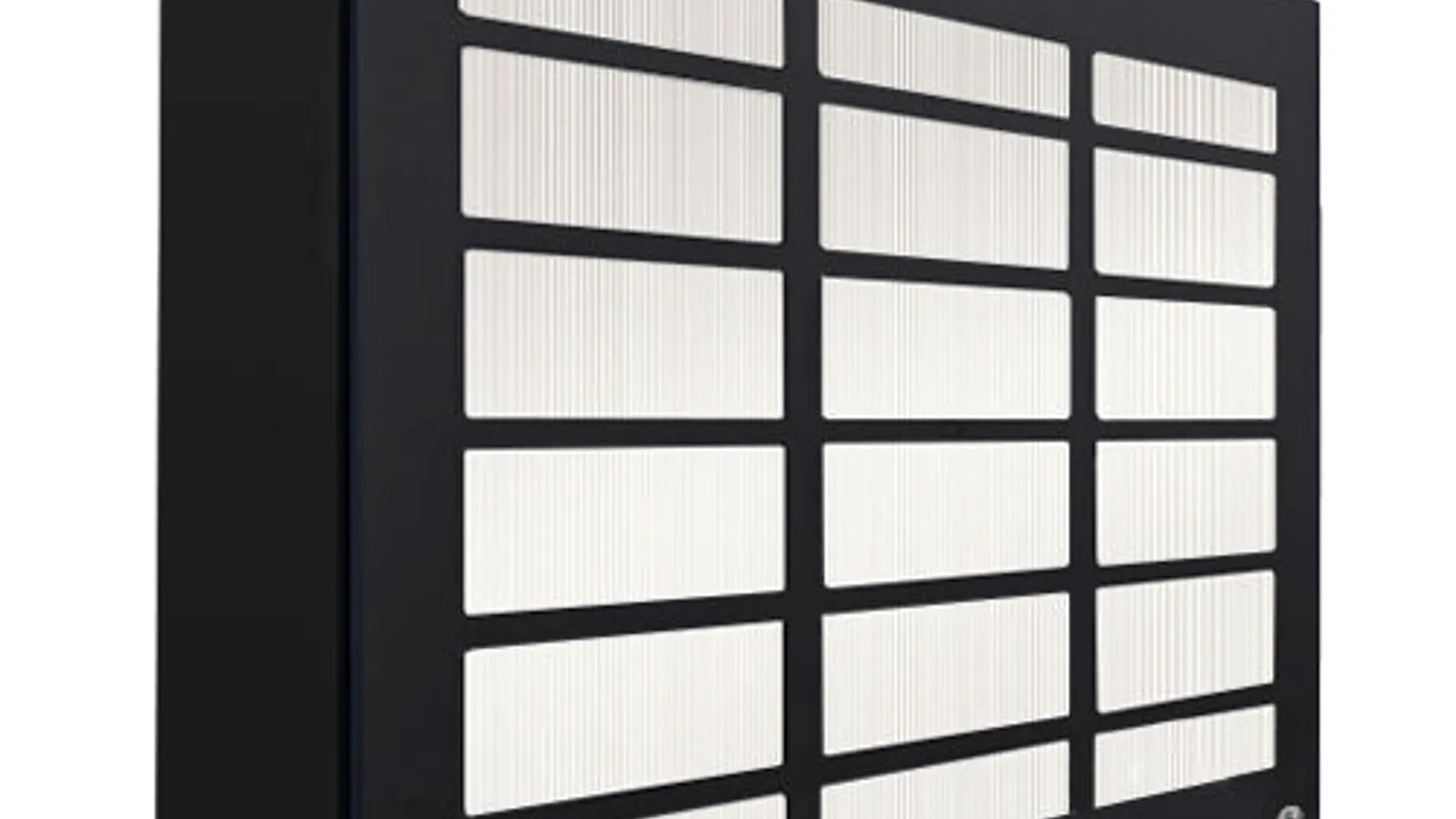
Use air purifiers for allergens, dust, pollen, and pet dander upstairs.
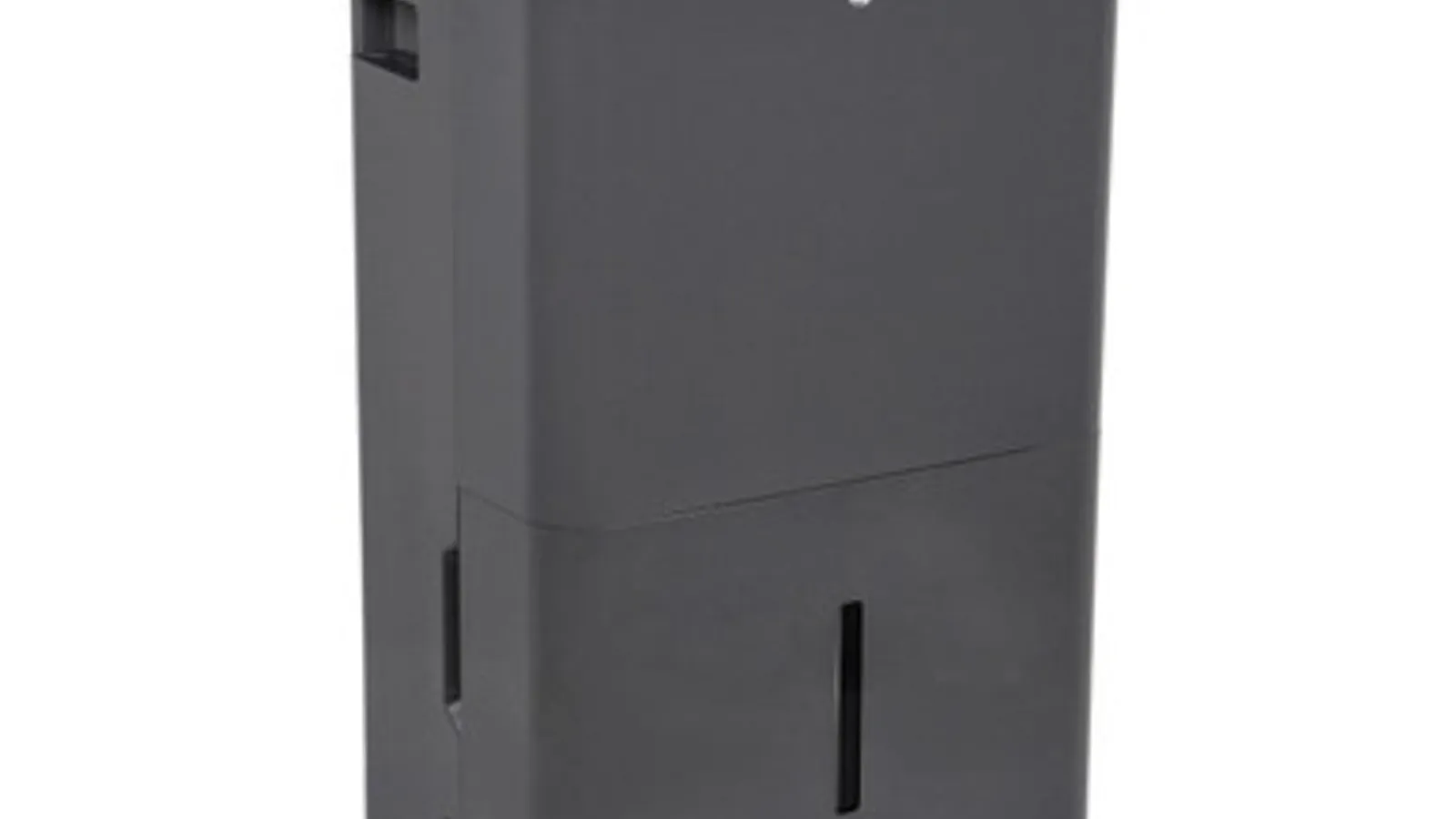
Use dehumidifiers for damp basements, musty rooms, water collection, and drainage.
Start with the problem
Air purifier or dehumidifier?
These tools solve different complaints. Pick the lane that matches what you feel in the room—not the gadget with the loudest marketing.
Air purifier
For airborne particles you want filtered out of the air you breathe—pollen, dust, pet dander, and smoke or cooking odors in the room. Size the room, plan filter replacement, noise at night, and where the unit can pull air without blocking vents.
For excess moisture, damp materials, musty smells, and humidity that will not drop with filtration alone. Match pint-class capacity to how wet the space feels and plan bucket emptying or a drain hose—not a substitute for fixing active leaks.
Upstairs particle triggers and downstairs moisture are separate projects. Stabilize humidity where materials stay damp, then add filtration where airborne dust or pollen matters—or run both on different floors with realistic expectations for each room.
When neither gadget is enough
Active water intrusion, standing water, visible mold spread, or foundation drainage failures need repair and qualified professional help—not only a retail appliance. Better Buy Lab does not claim disease prevention, mold removal, or health outcomes from shopping guides.
Explore guides
Separate moisture from particle problems
Each card opens a live air-quality guide—no storefront buttons on these routes yet.
Best air purifiers for allergies
Room volume, CADR, filter types, and bedroom noise—use when pollen, dust, dander, or smoke particles are the main complaint.
Better Buy Lab uses these guides to organize product trade-offs before showing scores, live prices, or stock claims. The focus here is fit: room, budget tier, use case, maintenance, and buyer risk.
Key buying checks
How to choose the right air purifier or dehumidifier
Room volume, noise at the fan speeds you will run, ongoing filter cost, and humidity goals determine whether a unit is appropriate. Start here when you are narrowing options in this category.
Match airflow to real room size and layout
A unit suited to a closed bedroom may be undersized for an open plan. Ceiling height and open doorways matter.
Best for
Bedrooms, offices, and other rooms where doors can stay mostly closed.
Watch out
Open layouts often need higher airflow or more than one unit.
What to check
CADR or airflow claims, rated room size, ceiling height, fan speeds you will run, filter type.
Noise and display behavior where it will sit
A sound level fine in a living room may be disruptive in a nursery; lights on the unit can matter at night.
Best for
Bedroom or desk placement with overnight use.
Watch out
Very quiet night modes may move too little air to be effective.
What to check
Published noise curves, night modes, display dimming, clearance around intakes.
Estimate filter replacement costs before buying
Low purchase price with expensive or scarce filters increases long-term cost. Washable stages still take time.
Best for
Buyers who want predictable yearly operating cost.
Watch out
Uncommon filter part numbers complicate replacements.
What to check
Filter availability, replacement interval, price per year, sensor cleaning if any.
Dehumidifier capacity for the space and climate
Basements, whole-home drying, and portable spot use need different pint ratings and drainage options.
Best for
Damp basements, humid seasons, or laundry areas needing moisture control.
Watch out
Undersized tanks mean frequent emptying; poor drainage adds chores.
What to check
Pint rating for your climate, low-temperature behavior, gravity versus pump drain.
Confirm the exact model before you buy
Model names, regions, and bundles change what is in the box. Check the manufacturer page for your country, the seller listing, warranty text, and which accessories are included.
Best for
Buyers who shop online and need the shipment to match the configuration they selected.
Watch out
Small naming differences can mean different ports, stands, or power adapters between regions.
What to check
SKU, country variant, return window, warranty, and that photos match the product you add to the cart.
When headline specifications miss real-world limits
A strong specification can still disappoint if glare, noise, edge cleaning, or return terms do not fit how you use the product.
Best for
Buyers who want to compare trade-offs before deciding.
Watch out
Marketing often assumes ideal conditions; your room, hearing, or layout may differ.
What to check
Return policy, upkeep (filters, bags, mop pads), physical fit in the space, and whether the downsides are acceptable.
All air-quality buying lists
Allergy purifiers and basement dehumidifiers publish here—scenario cards above explain which problem you are solving first.