Guide summary
Best air purifiers for allergies and pets
Allergy relief starts with real room volume, filter class, pet dander load, and sleep noise—not a single CADR number in isolation.
6 of 6 shortlist picks have editorial photos on this page.
- Category
- Air Quality
- Shortlist
- 6 tracked picks
- Lead pick
- NuWave OxyPure
- Use case
- Best air purifier for allergies overall
Key buying checks
How to choose the right air purifier or dehumidifier
Room volume, noise at the fan speeds you will run, ongoing filter cost, and humidity goals determine whether a unit is appropriate. Use these checks while you read the shortlist—they separate good fits from common buyer mistakes.
Match airflow to real room size and layout
A unit suited to a closed bedroom may be undersized for an open plan. Ceiling height and open doorways matter.
Bedrooms, offices, and other rooms where doors can stay mostly closed.
Open layouts often need higher airflow or more than one unit.
CADR or airflow claims, rated room size, ceiling height, fan speeds you will run, filter type.
Noise and display behavior where it will sit
A sound level fine in a living room may be disruptive in a nursery; lights on the unit can matter at night.
Bedroom or desk placement with overnight use.
Very quiet night modes may move too little air to be effective.
Published noise curves, night modes, display dimming, clearance around intakes.
Estimate filter replacement costs before buying
Low purchase price with expensive or scarce filters increases long-term cost. Washable stages still take time.
Buyers who want predictable yearly operating cost.
Uncommon filter part numbers complicate replacements.
Filter availability, replacement interval, price per year, sensor cleaning if any.
Dehumidifier capacity for the space and climate
Basements, whole-home drying, and portable spot use need different pint ratings and drainage options.
Damp basements, humid seasons, or laundry areas needing moisture control.
Undersized tanks mean frequent emptying; poor drainage adds chores.
Pint rating for your climate, low-temperature behavior, gravity versus pump drain.
Confirm the exact model before you buy
Model names, regions, and bundles change what is in the box. Check the manufacturer page for your country, the seller listing, warranty text, and which accessories are included.
Buyers who shop online and need the shipment to match the configuration they selected.
Small naming differences can mean different ports, stands, or power adapters between regions.
SKU, country variant, return window, warranty, and that photos match the product you add to the cart.
When headline specifications miss real-world limits
A strong specification can still disappoint if glare, noise, edge cleaning, or return terms do not fit how you use the product.
Buyers who want to compare trade-offs before deciding.
Marketing often assumes ideal conditions; your room, hearing, or layout may differ.
Return policy, upkeep (filters, bags, mop pads), physical fit in the space, and whether the downsides are acceptable.
Who this is for: Households bothered by airborne particles—pollen, dust, pet dander, or smoke and cooking odors—who want buyer-fit framing before they compare purifier SKUs.
Allergy support without overclaiming: Filtration may help reduce airborne particles that bother sensitive people. It is not medical advice, does not treat conditions, and does not replace source control, cleaning, or professional care when symptoms are severe.
What actually moves the needle: Room size versus manufacturer coverage claims you verify on the listing, filter replacement availability, noise at night, placement with clear air intake, and a maintenance schedule you will follow.
When another lane fits better: Musty basements, standing moisture, or chronically damp materials usually need basement dehumidifiers first—not filtration alone. Compare both paths on the air quality guides when you are unsure.
What not to assume: Better Buy Lab does not publish measured CADR scores, hands-on lab results, live prices, stock claims, or affiliate buy buttons on this page today.
Start with the symptom
Choose by air problem
Pick the card closest to what you feel in the room—then use the shortlist for models that match that lane.
Pollen and seasonal allergies
When it fits: Outdoor pollen, open windows, or seasonal HVAC changes make indoor air feel worse during peak weeks.
What to check: Plan auto mode for spikes, verify filter stock before pollen season, and close windows during peak hours when practical.
Allergy purifier guidePet dander
When it fits: Shedding, litter dust, or fur on textiles is part of the complaint and you want filtration beside regular vacuuming.
What to check: Check pre-filter access, odor stages if needed, and how often you will wash or replace parts during shedding season.
Pet household pathDust
When it fits: Visible dust resettles quickly, HVAC spreads fine particles, or dry climates keep surfaces dusty between cleanings.
What to check: Size to room volume, place the unit where air mixes—not in a corner behind furniture—and budget filter replacements.
Dust and fine particlesSmoke or cooking odor
When it fits: Cooking smells, wildfire smoke, or nearby tobacco drift need carbon or odor stages—not particle filtration alone.
What to check: Confirm carbon or VOC stages on the listing, expect faster filter spend, and ventilate when source control is possible.
Smoke and odor pathBedroom use
When it fits: Sleep comfort, overnight fan noise, and morning stuffiness in a closed bedroom drive the purchase.
What to check: Test low-speed noise, auto mode behavior, and placement away from the headboard without blowing directly on the sleeper.
Bedroom sizingLarge living room
When it fits: Great rooms, open kitchens, or shared spaces need higher airflow than a bedroom-sized unit can sustain.
What to check: Match room volume to manufacturer coverage claims you verify on the listing—undersizing is a common mistake.
Open-plan sizingQuiet office
When it fits: Video calls, focus work, or a small home office need low fan noise at typical daytime speeds.
What to check: Compare decibel claims at low and medium speeds on the listing and plan placement beside—not behind—your desk.
Office and WFH pathFilter replacement cost
When it fits: Long-term filter price, availability, and whether you will actually replace on schedule will decide if the unit stays on.
What to check: Compare proprietary versus generic filter paths, pre-filter wash intervals, and total annual upkeep before you chase features.
Upkeep planningBefore you buy
Pre-buy checklist
Walk this list before you treat a shortlist row as the answer—many returns are sizing, noise, or upkeep surprises.
- Room size: measure length, width, and ceiling height; compare to manufacturer room-size guidance on the listing—not invented here.
- CADR claims to verify: confirm clean-air delivery rate and particle-size language on the exact SKU page before you trust box marketing.
- Filter availability: check whether replacement packs are available to order and whether proprietary filters are easy to source year-round.
- Noise level: compare decibel or fan-speed claims at low and medium settings for bedroom or office use.
- Auto mode: decide whether you need a sensor-driven fan or will run fixed speeds—and how loud auto ramps get at night.
- Replacement schedule: budget how often pre-filters, HEPA, and carbon stages need swaps in your home's dust load.
- Placement: allow intake and outlet clearance; avoid burying the unit behind furniture or beside wide-open windows during peaks.
- Return policy: keep receipt until noise, fit, and filter access pass a real-world trial in the target room.
Allergy purifier buyer depth
Inside this allergy-focused air purifier guide
The modules above separate particle triggers, sizing, and upkeep before you compare models. Exact product facts, storefront modules, and advanced schema stay blocked until listing checks clear.
When musty basements or standing moisture—not airborne pollen—drive the complaint, open Best basement dehumidifiers and Air quality guides hub instead of oversizing a purifier; Room volume, CADR honesty, filter replacement cadence, and noise at bedroom speeds matter more than allergy marketing on the box.
When allergy purifier shortlist models stay live but room size, filter upkeep, and noise questions remain, cross-read Levoit Core 600S product note—commerce-free checklist pages beside this guide, not storefronts.
Room size before brand loyalty
Bedroom quiet use, open-plan volume, placement, and realistic coverage needs stay visible instead of reducing the choice to a HEPA badge alone.
Particle triggers versus moisture
Pollen, dander, dust, and smoke routes stay separate from basement humidity—pair guides only when both complaints are real in your home.
Filter upkeep as a buying decision
Replacement cadence, proprietary filter risk, pre-filters, and whether you will maintain the unit are framed before a model looks like the easy default.
No medical or lab claims on this page
Better Buy Lab does not claim disease prevention, treatment, or measured clean-air delivery we have not verified. Confirm CADR and coverage on listings.
Commerce gates stay closed
Live prices, stock, affiliate buy buttons, review scores, and Offer-style schema remain off this public guide until separate checks pass.
Allergy purifier pick logic
How to read the allergy air purifier shortlist
These cards explain buyer lanes for this guide—not final scores, measured CADR we have run, live prices, or retailer star ratings.
NuWave OxyPure
- Buyer type
- Large-room sealed filtration
- Why it's listed here
- Listed when a premium sealed path and multi-stage upkeep are acceptable for bigger open plans.
- Watch out
- Filter cost and footprint may be more than a bedroom needs—confirm room size fit on the listing.
- Verify on listing
- Confirm exact NuWave model, filter kit availability, noise at sleep speeds, and return policy before you buy.
Mila Air 3
- Buyer type
- Smart bedroom and nursery-minded buyers
- Why it's listed here
- Listed when auto modes, app visibility, and quieter overnight profiles matter in medium rooms.
- Watch out
- Subscription or app features may not matter if you only want a simple dial—compare simpler rows.
- Verify on listing
- Confirm Mila filter SKUs are available to order, replacement rhythm, and noise claims on the retailer page.
Coway Airmega 200M
- Buyer type
- Medium-room sealed HEPA default
- Why it's listed here
- Listed as a balanced sealed unit when coverage and filter access matter more than flagship extras.
- Watch out
- Open plans may need a larger class—do not assume one medium unit covers a full great room.
- Verify on listing
- Verify Coway model suffix, filter replacement cost, and CADR or room-size claims on the exact SKU listing.
Levoit Core 200S
- Buyer type
- Compact bedroom and office value
- Why it's listed here
- Listed when smaller footprints and predictable filter paths beat oversized marketing for one room.
- Watch out
- Undersized for large living areas—treat as a single-zone tool unless listing coverage clearly supports more.
- Verify on listing
- Confirm Core 200S versus similar Levoit codes, filter pack pricing, and app noise modes if you rely on them.
Corsi-Rosenthal Box
- Buyer type
- DIY high-flow budget path
- Why it's listed here
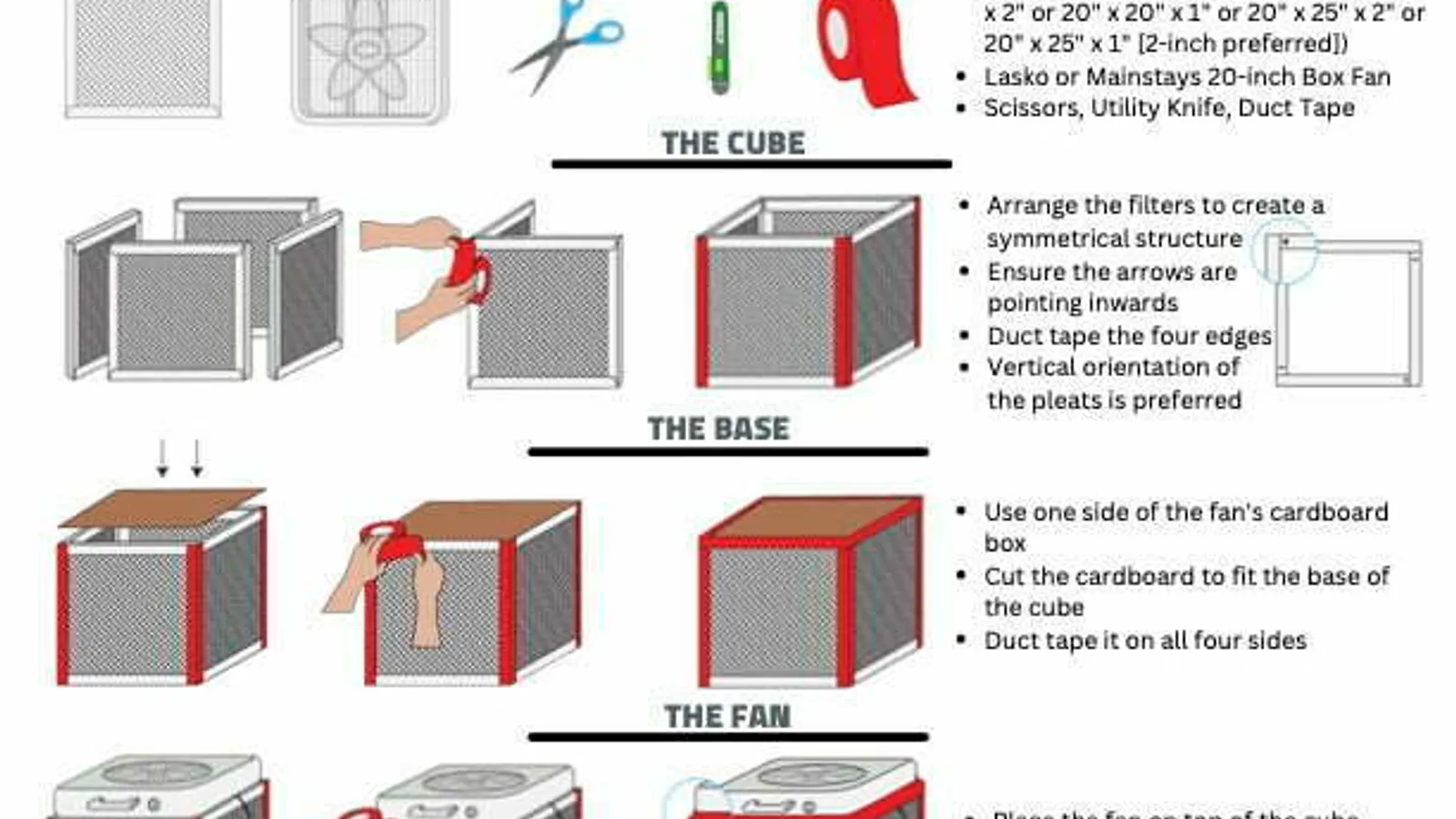
- Listed when buyers accept a box-fan plus filter build for high airflow at lower appliance cost.
- Watch out
- Aesthetics, child or pet safety around exposed fans, and hands-off auto mode differ from retail purifiers.
- Verify on listing
- Confirm filter size, fan model, and placement safety in your room—this is a build, not a single SKU box.
Levoit Core 600S
- Buyer type
- Larger single-zone coverage
- Why it's listed here
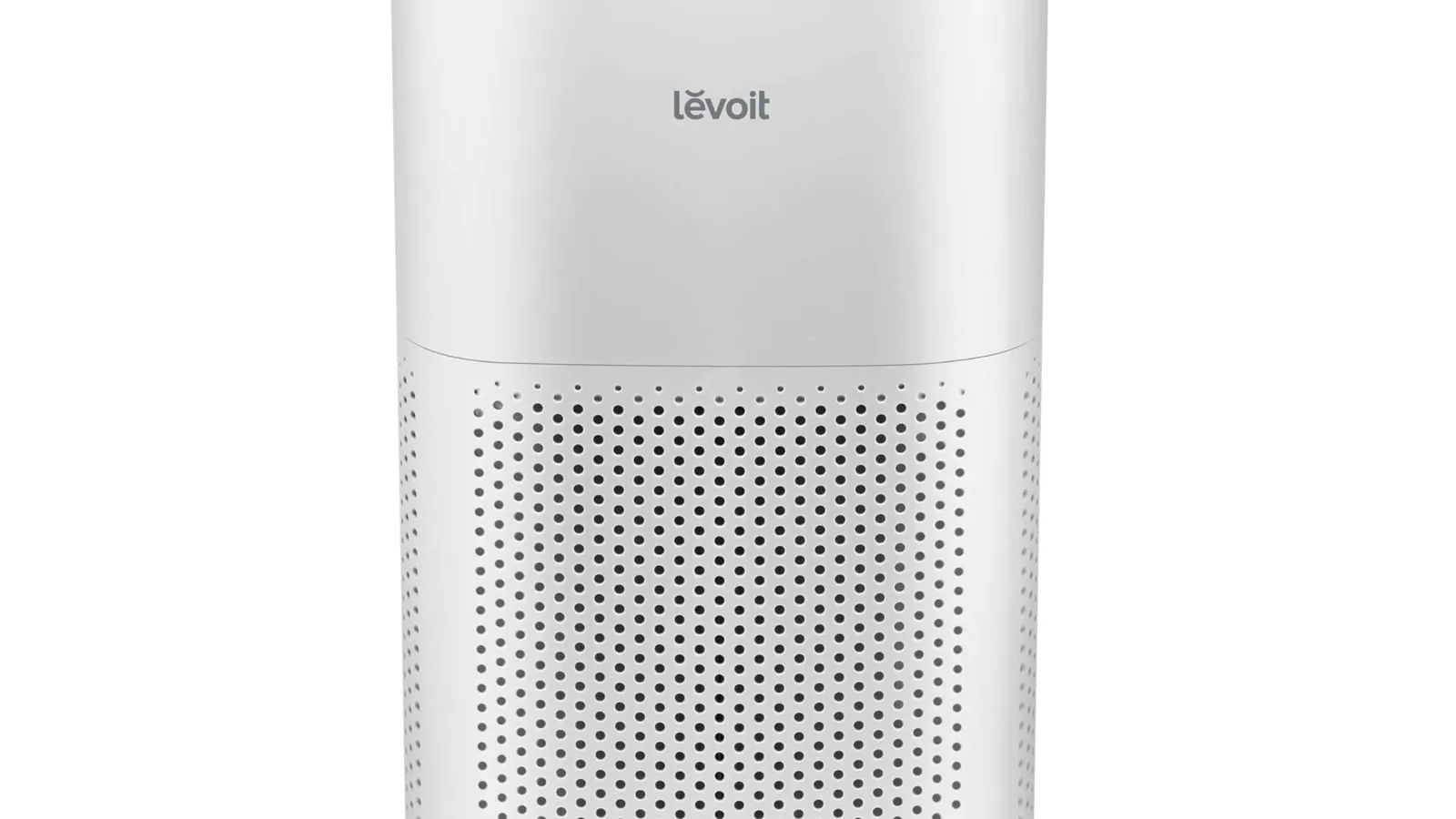
- Listed when one bigger Levoit class is meant to cover a living room or open area with app controls.
- Watch out
- Still not a substitute for whole-home HVAC issues or chronic moisture downstairs.
- Verify on listing
- Confirm Core 600S listing, filter availability, and manufacturer room-size guidance you can verify—not invented here.
FAQ
Common allergy air purifier questions
Moisture versus particles
If musty basements or damp materials are the main issue, start with our basement dehumidifier guide—filtration alone rarely fixes chronic moisture.
Can an air purifier help with allergies?
It may help reduce airborne particles such as pollen, dust, and pet dander in the room where it runs well-sized and maintained. That is comfort and air-quality support—not treatment, cure, or disease prevention. Source control and medical care still matter when symptoms are severe.
What should I check before buying?
Room size versus listing coverage claims, filter availability and cost, noise at your usual fan speeds, auto mode behavior, placement clearance, and return policy. Verify CADR and room-size language on the exact SKU page.
Do I need one per room?
Often one well-placed unit can help the room it serves; open plans may need a larger class or a second unit when doors stay open and air mixes across zones. There is no single rule—size to how air actually moves in your home.
How often do filters need replacing?
Depends on filter stages, dust load, pets, and whether you wash pre-filters. Follow manufacturer guidance on the listing and budget replacements before you buy—skipped filters erase most of the benefit.
Does Better Buy Lab show live prices on this page?
No. This guide stays informational until product details and retailer paths pass our verification checklist. We do not publish live prices, stock claims, or affiliate buy buttons here today.
Shortlist at a glance
Use these cards for buyer-fit context and research notes first. Optional Amazon listing buttons appear only on approved picks—always confirm model, bundle, and seller on the listing you open.
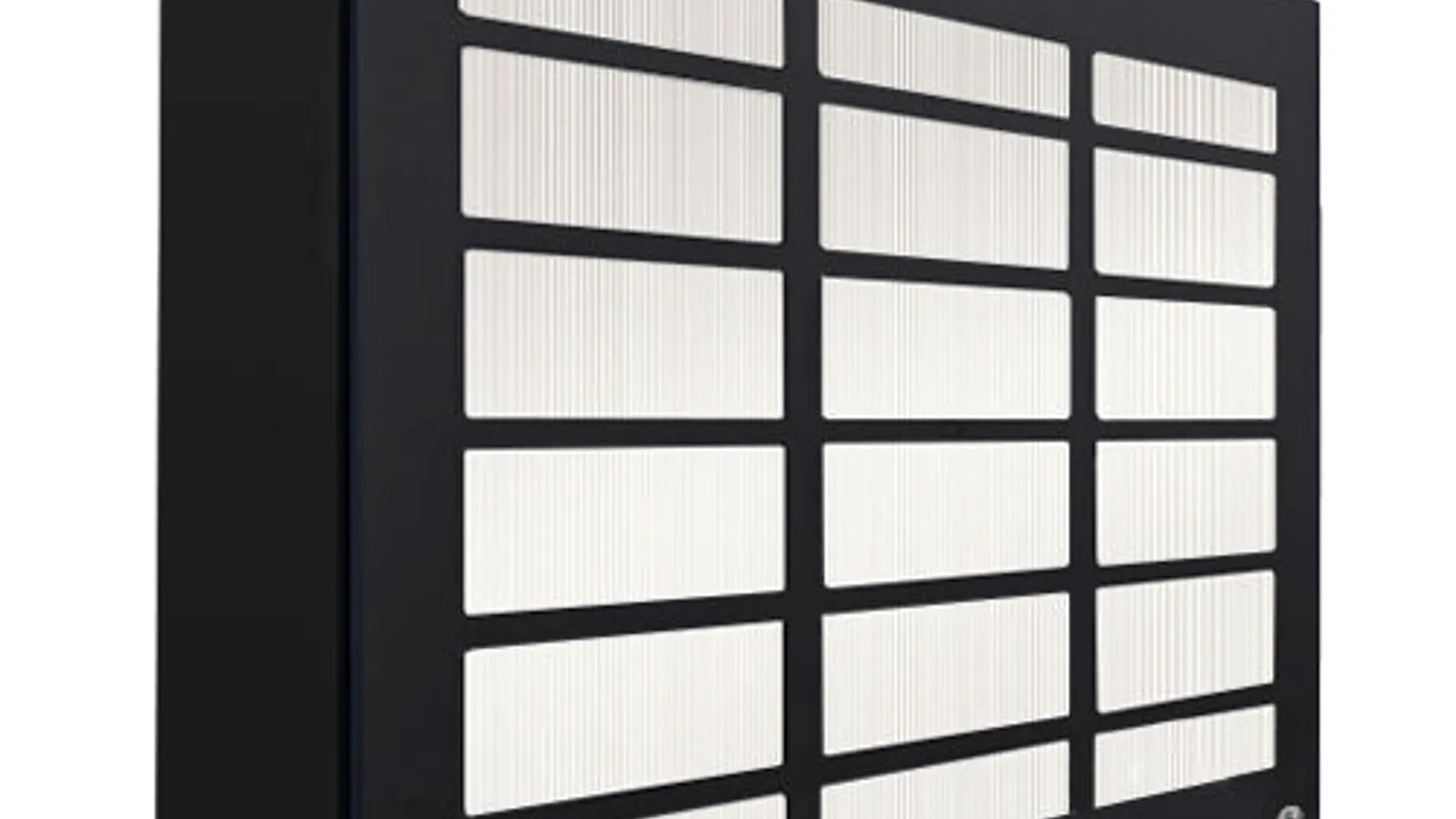
NuWave OxyPure
Best air purifier for allergies overall
- Best for
- Best air purifier for allergies overall
- Why it is here
- High filtration performance, strong feature set, multi-stage filtration, sensors, Wi-Fi, and large-space usefulness.
- Watch-out
- Bulky and loud at high fan speeds.
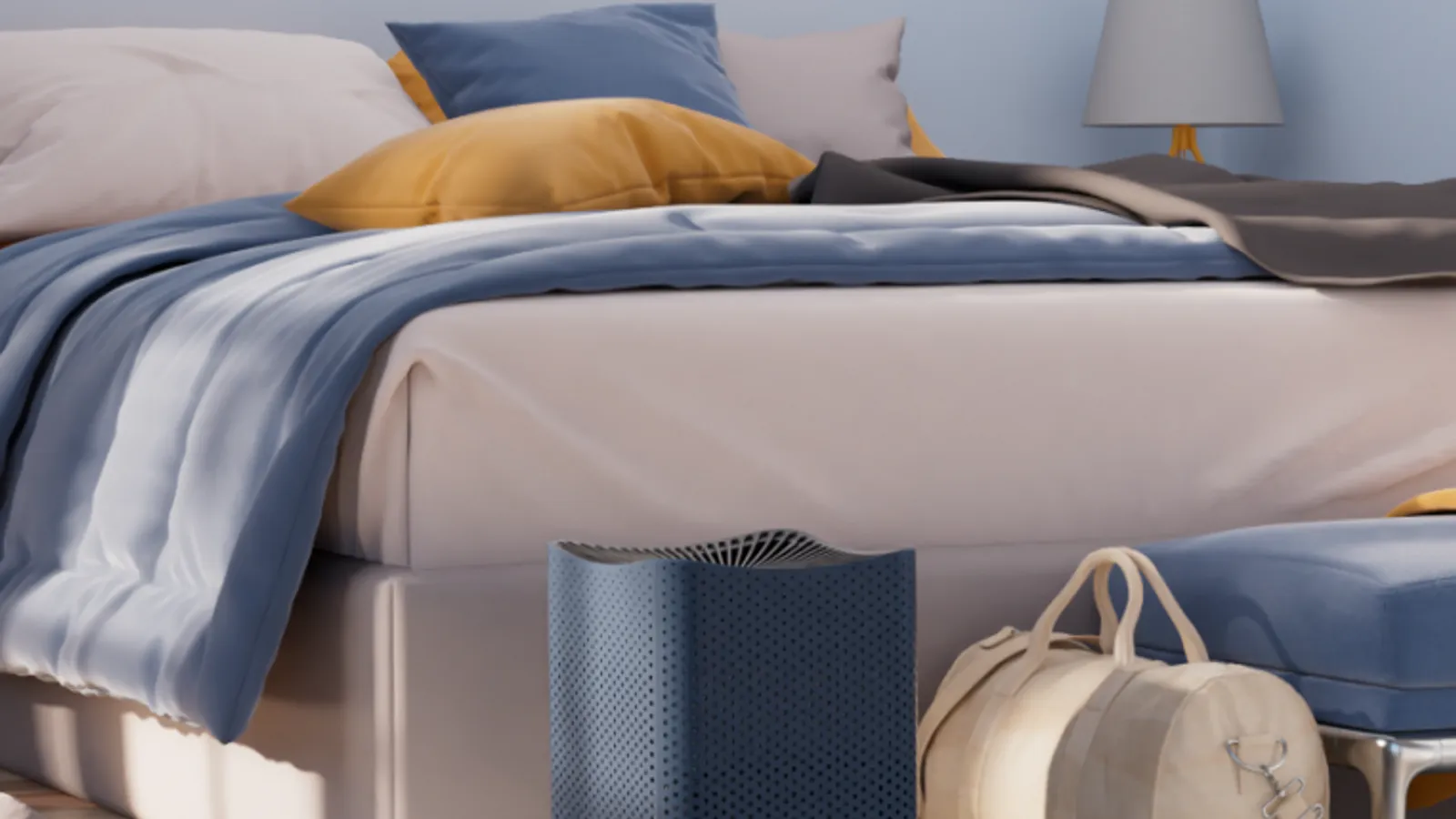
Mila Air 3
Best customizable filter system
- Best for
- Best customizable filter system
- Why it is here
- Selectable filters for allergy-focused setups and useful smart monitoring.
- Watch-out
- Dense filters can reduce airflow and hurt large-room performance.
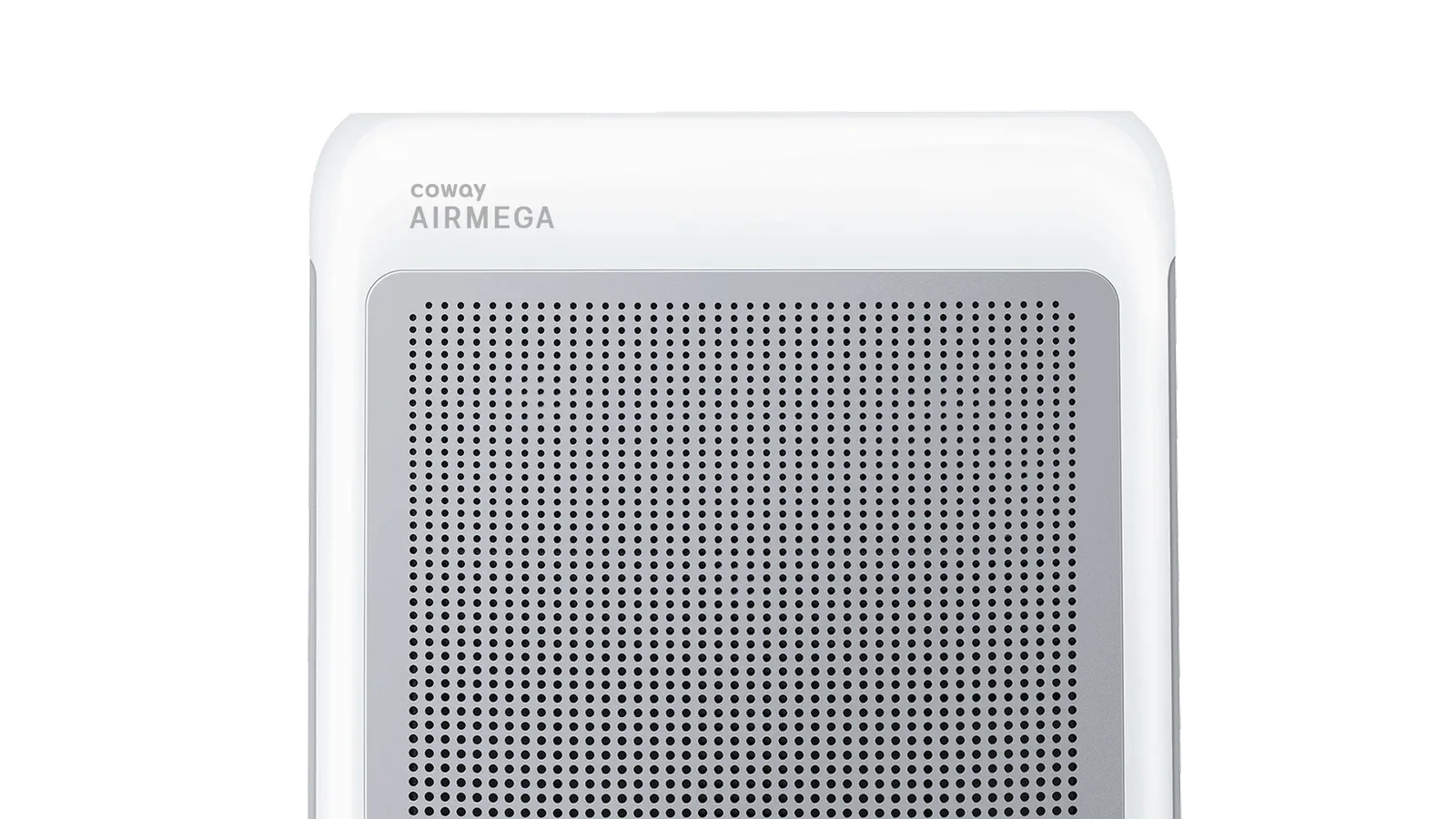
Coway Airmega 200M
Best mid-range allergy purifier
- Best for
- Best mid-range allergy purifier
- Why it is here
- Strong simpler purifier for medium rooms with a compact footprint and good filtration.
- Watch-out
- Ionizer should be turned off if ozone concerns matter.
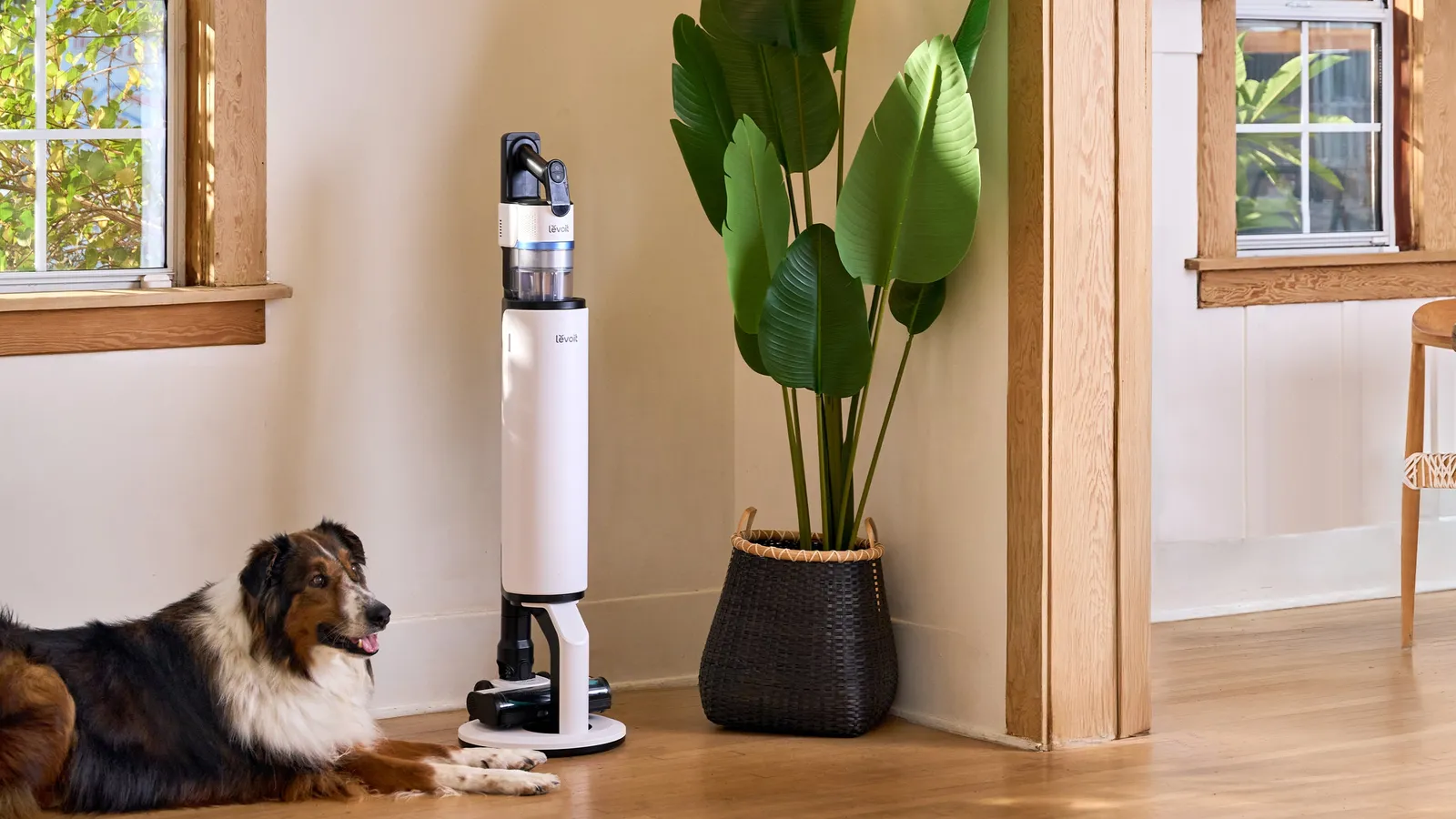
Levoit Core 200S
Best small-room budget purifier
- Best for
- Best small-room budget purifier
- Why it is here
- Compact, smart, and suitable for bedrooms or studies at lower-tier positioning.
- Watch-out
- Underpowered for large rooms.
Corsi-Rosenthal Box
Best DIY high-airflow option
- Best for
- Best DIY high-airflow option
- Why it is here
- High airflow per dollar for people willing to build and tolerate the look/noise.
- Watch-out
- Not a polished appliance and needs safe fan/filter setup.
Levoit Core 600S
Best large-room alternative
- Best for
- Best large-room alternative
- Why it is here
- Widely listed large-room purifier with smart features and strong practical coverage.
- Watch-out
- Filter costs and availability should be part of the decision—verify on your own before buying.
Related Air Quality best lists
Use these air quality lists to narrow the shortlist by use case, setup, and buyer constraints.
Best Dehumidifiers for Basements
A basement dehumidifier guide for damp basements, continuous drainage, pump setups, small rooms, noise-sensitive areas, and budget buyers.
Quick Verdict
For allergies, the useful air purifier is the one that actually turns over air in the real room volume you care about—not the smallest unit with a HEPA sticker parked in the wrong corner.
This page keeps a fast comparison table, then walks picks with choose-this-if, skip-this-if, and trade-offs. Content is Better Buy Lab original structure informed by category research (including RTINGS-style allergy benchmarks as reference). No measured CADR claims we do not source, no prices, stock, or shopping modules on this public draft.
Before you read the shortlist
Start from triggers: sleep vs daytime spaces, open floor plans, pets, seasonal pollen, and filter upkeep tolerance. If musty basements or sustained humidity drive symptoms, filtration alone may be the wrong category—see basement dehumidifiers after you rule out moisture-first problems.
Comparison Table
| Pick | Best for | Why it earns a spot | Watch-out |
|---|---|---|---|
| NuWave OxyPure | Best air purifier for allergies overall | High filtration performance, strong feature set, multi-stage filtration, sensors, Wi-Fi, and large-space usefulness. | Bulky and loud at high fan speeds. |
| Mila Air 3 | Best customizable filter system | Selectable filters for allergy-focused setups and useful smart monitoring. | Dense filters can reduce airflow and hurt large-room performance. |
| Coway Airmega 200M | Best mid-range allergy purifier | Strong simpler purifier for medium rooms with a compact footprint and good filtration. | Ionizer should be turned off if ozone concerns matter. |
| Levoit Core 200S | Best small-room budget purifier | Compact, smart, and suitable for bedrooms or studies at lower-tier positioning. | Underpowered for large rooms. |
| Corsi-Rosenthal Box | Best DIY high-airflow option | High airflow per dollar for people willing to build and tolerate the look/noise. | Not a polished appliance and needs safe fan/filter setup. |
| Levoit Core 600S | Best large-room alternative | Widely listed large-room purifier with smart features and strong practical coverage. | Filter costs and availability should be part of the decision—verify on your own before buying. |
How to choose for your situation
Bedroom relief: Night-mode noise at low fan speeds beats peak CADR you will never run while sleeping.
Pets: Airborne dander moves with air currents; vacuuming and textile cleaning still matter—purifiers are additive.
Open plans: Undersizing is common—one undersized tower in a great room often loses to physics.
Budget reality: Factor replacement filters and how often you will actually swap them; a “cheap” unit with higher-commitment filters can cost more in attention than a simpler machine.
How we narrow the field
We separate particle allergies from moisture problems, emphasize realistic room coverage, and treat sensors and auto modes as comfort features—not magic.
When to step up—or simplify
Step up in size and airflow when symptoms track shared living space, outdoor pollen loads, or multiple occupants.
Stay compact when one closed bedroom is the whole problem.
Consider DIY high-flow when you want maximum air movement per dollar and accept noise and aesthetics trade-offs.
Pivot to dehumidification when humidity and musty basements are the constant trigger—dehumidifier guide.
1. NuWave OxyPure: Best air purifier for allergies overall
Expert take: Big allergy picks earn their spot by credible large-room usefulness—but honest buyers should plan placement and accept that high-speed fan noise exists.
Choose this if: You need a single strong tower for sizable or demanding spaces and will run it aggressively when counts spike.
Skip this if: You cannot place a large unit sensibly, hate fan noise at top speeds, or only need a small closed bedroom.
Trade-offs vs nearby picks: More appliance bulk and noise headroom than mid sizes; more finished product than DIY.
2. Mila Air 3: Best customizable filter system
Choose this if: You like app-visible air context and want filter packs tuned to allergy priorities.
Skip this if: Your main room is huge and dense filter stacks might choke effective airflow—verify sizing discipline.
Trade-offs: Smart customization can trade away brute airflow versus simpler large towers.
3. Coway Airmega 200M: Best mid-range allergy purifier
Choose this if: Medium rooms and a straightforward appliance experience beat feature stacking.
Skip this if: You need ionizer features active; some buyers prefer those off for ozone sensitivity.
Trade-offs: Less “smart home theater” than flagship app-first units.
4. Levoit Core 200S: Best small-room budget purifier
Choose this if: A bedroom, office, or nursery is the target space.
Skip this if: You are trying to cover open kitchens or joined living areas.
Trade-offs: Correct for small volumes; wrong tool for whole-home illusions.
5. Corsi-Rosenthal Box: Best DIY high-airflow option
Choose this if: You accept build effort and visual compromise for high airflow value.
Skip this if: You need quiet design, child/pet safety confidence without work, or hands-off auto modes.
Trade-offs: Performance-per-dollar upside vs fit-and-finish downside.
6. Levoit Core 600S: Best large-room alternative
Choose this if: You want retail-friendly sizing with app features and broad availability of filters in many markets.
Skip this if: You will not maintain filters or hate ongoing filter spend—pick simpler if that increases adherence.
Trade-offs: Popular class means compare upkeep honestly before committing.
If none of these match
- Moisture-first symptoms: start with basement dehumidifiers and envelope thinking, then revisit filtration.
- Whole-home uncertainty: use the air quality hub to pick the right lane before forcing one tower to do impossible coverage.
Common mistakes
- Running on low in an undersized unit while windows stay wide open during pollen peaks.
- Ignoring filter adherence—stale filters undermine everything upstream.
- Buying “HEPA” marketing without thinking about air changes in your room volume.
FAQ
Do air purifiers help pet allergies?
They can reduce airborne dander load alongside vacuuming, grooming, and textile washing—none of those steps is optional alone.
How do I think about room size?
Match clean-air delivery to realistic volume and how open the space is; when in doubt in open plans, assume you need more capacity than a bedroom-rated box.
Is DIY filtration safe?
Only when built and operated responsibly—follow trusted assembly guidance, secure cords, and keep builds away from curious kids and pets.
When is a dehumidifier the better first buy?
When musty smell, damp materials, or sustained high humidity track your symptoms more than pollen or dust—see best basement dehumidifiers.