Guide summary
Best Cooling Mattresses
A cooling mattress guide for hot sleepers: heat vs marketing claims, hybrid and latex airflow, foam caveats, firmness versus cooling, motion isolation,…
6 of 6 shortlist picks have editorial photos on this page.
- Category
- Sleep
- Shortlist
- 6 tracked picks
- Lead pick
- Casper Snow
- Use case
- Best mattress for side sleepers overall
Key buying checks
How to choose a mattress for side sleepers and couples
Firmness for your sleep position, motion from a partner, sleeping temperature, and return or trial terms drive comfort. Use these checks while you read the shortlist—they separate good fits from common buyer mistakes.
Firmness and pressure relief for side sleepers
Shoulders and hips need cushioning without misaligning the spine. Brand firmness scales are not standardized across companies.
Side sleepers and combination sleepers.
Too firm causes shoulder pressure; too soft can misalign hips.
Comfort layers, transition support, weight guidance, exchange policy.
Motion isolation for partners
Foam and spring designs differ in how much one person moves the other. Edge support affects usable sleeping area.
Couples on different sleep schedules sharing one mattress.
Weak edge support lets partners roll toward the center.
Motion isolation reputation, edge support needs, split firmness if offered.
Temperature and materials for your bedroom
Dense foams can sleep warm without airflow layers or breathable covers. Room temperature and bedding matter.
Warm sleepers or rooms without steady cooling.
Gel layers alone may not fix all-night heat if foam density traps warmth.
Cover fabric, airflow layers in the build, sheet breathability, room temperature plan.
Trial length, returns, and foundation rules
Adjustment periods and firmness changes are normal early on. Read restocking fees and foundation requirements.
First-time online mattress buyers.
Restocking fees and required foundations reduce practical protection.
Trial length, pickup or return logistics, foundation rules, exchange fees.
Confirm the exact model before you buy
Model names, regions, and bundles change what is in the box. Check the manufacturer page for your country, the seller listing, warranty text, and which accessories are included.
Buyers who shop online and need the shipment to match the configuration they selected.
Small naming differences can mean different ports, stands, or power adapters between regions.
SKU, country variant, return window, warranty, and that photos match the product you add to the cart.
When headline specifications miss real-world limits
A strong specification can still disappoint if glare, noise, edge cleaning, or return terms do not fit how you use the product.
Buyers who want to compare trade-offs before deciding.
Marketing often assumes ideal conditions; your room, hearing, or layout may differ.
Return policy, upkeep (filters, bags, mop pads), physical fit in the space, and whether the downsides are acceptable.
Who this is for: Sleepers who wake warm overnight and want practical framing for cooling claims, materials, and shortlist roles—not a promise of cold sleep.
Cooling claims vary: Gel names, phase-change covers, and airflow language oversell easily. Compare how heat leaves the comfort stack—materials, coils, and cover breathability—not adjectives alone.
Room and bedding matter: Thermostat settings, humidity, duvet weight, protectors, and pillows change perceived heat as much as the mattress core.
No guaranteed cool sleep: A mattress may reduce trapped surface heat for some people; it does not fix a hot bedroom alone and does not replace medical advice when symptoms are new or severe.
When pressure leads: If shoulder or hip discomfort wakes you first, read side-sleeper mattresses before you chase the coolest marketing story. Use the sleep guides to split complaints.
What not to assume: No live prices, stock claims, affiliate buy buttons, invented specs, or hands-on heat-map testing on this page today.
Start with the symptom
Cooling problem checklist
Match heat pattern, room conditions, and bedding before you treat marketing labels as the answer.
Hot sleeper
When it fits: You fall asleep but wake overheated or tangled in sheets—the mattress surface and core may be trapping heat.
What to check: Rule out duvet weight and room temperature, then compare breathable comfort stacks on listings.
Cooling guideWarm bedroom
When it fits: The room runs hot seasonally and the bed feels like one more heat source—not a problem a cover yarn alone fixes.
What to check: Plan fan paths and lighter bedding; a mattress helps only after the room is realistically cool enough to sleep.
Room plus mattressMemory foam heat concern
When it fits: Dense slow foam cradles well but feels insulating overnight—you want airflow or more responsive comfort materials.
What to check: Compare hybrid coil paths versus open-cell or grid-style comfort layers on the exact SKU pages.
Foam versus hybridCouples heat buildup
When it fits: Two bodies share a smaller surface and heat pools in the middle—motion isolation and cover breathability both matter.
What to check: Consider separate blankets or toppers before a full mattress swap; verify motion notes if partner movement is also an issue.
Couples and heatSweaty summer use
When it fits: Discomfort spikes in summer even when the mattress felt acceptable in cooler months—bedding and humidity may be involved.
What to check: Test lighter textiles first; if the mattress still feels hot in a cool room, compare cooling-first shortlist roles.
Seasonal heatBedding may be the real issue
When it fits: A waterproof protector, thick topper, or heavy duvet traps moisture before the mattress core is the bottleneck.
What to check: Audit protector breathability and duvet weight; swap bedding before financing a flagship cooling mattress.
Bedding checkBefore you buy
Pre-buy checklist
Walk this list before you finance a cooling mattress—many heat complaints start with room or bedding fixes.
- Material type: note whether the stack is all-foam, latex-forward, grid or elastomer comfort, or hybrid coils—and how that affects airflow.
- Cover claims: cool-to-touch fibers help onboarding feel; verify cover breathability and wash care on the listing.
- Airflow: look for coil channels or open comfort geometry versus solid foam cores that insulate when compressed.
- Firmness: choose posture fit first; cooling does not fix misalignment that feels like heat annoyance.
- Trial: plan real sleep weeks at home; verify trial length and return fees on the exact SKU page.
- Bedding compatibility: account for protector thickness, topper add-ons, and duvet weight in your test nights.
- Return terms: confirm pickup, shipping, or exchange rules before delivery—policies are not published live here.
Cooling buyer depth
What this guide covers for hot sleepers
The modules above translate temperature complaints into shortlist roles without heat-map theater or health promises.
When shoulder and hip pressure—not overnight heat—drives the complaint, Best mattresses for side sleepers and Sleep guides hub is the calmer lane than chasing the coolest marketing story; Breathable protectors, topper thickness, room airflow, and partner motion often beat mattress cooling claims—compare layers before you replace the whole bed.
Cooling labels versus overnight reality
Cover cool-to-touch feel is not the same as heat leaving the stack all night—we separate marketing words from layer structure.
Room and bedding stay on the table
Mattresses cannot guarantee cool sleep; warm rooms and non-breathable protectors can defeat even strong beds.
Position and partner fit
Side-sleeper pressure and motion isolation stay visible so cooling winners do not ignore how people share a bed.
No clinical or outcome claims
Better Buy Lab does not promise pain relief, sweat cures, or clinical sleep outcomes from retail mattresses.
Commerce and measurement gates
Live prices, stock, affiliate links, heat-map scores, and hands-on lab claims stay off this page until verification passes.
Cooling pick logic
How to read the cooling mattress shortlist
These cards explain buyer lanes—not measured heat maps, comfort scores, live prices, or paid placement rankings.
Casper Snow
- Buyer type
- Foam-forward cooling side lane
- Why it's listed here
- Listed when shoulder cradle matters alongside marketed cooling foams or covers—you trade some foam heat risk for pressure relief.
- Watch out
- Slow foam can still feel warm versus coil-heavy picks—combination sleepers may dislike repositioning friction.
- Verify on listing
- Confirm Casper Snow SKU, firmness language, and trial or return fees on the listing.
Allswell Hybrid
- Buyer type
- Entry hybrid cooling floor
- Why it's listed here
- Listed when budget caps experimentation but hybrid airflow still beats dense foam furnaces.
- Watch out
- May read firm for lightweight side posture—cross-check side-sleeper guide if shoulders need plush cradle.
- Verify on listing
- Confirm Allswell hybrid variant, firmness notes, and trial policy before purchase.
Purple RestorePlus Hybrid
- Buyer type
- Flagship responsive cooling hybrid
- Why it's listed here
- Listed when mechanical airflow in the comfort layer plus coil support matters more than slow foam hug.
- Watch out
- Grid-like feel is unfamiliar—verify trial comfort if you expect traditional plush memory foam.
- Verify on listing
- Confirm Purple RestorePlus model suffix, firmness options, and trial or return terms on the listing.
Saatva Latex Hybrid
- Buyer type
- Firmer breathable hybrid
- Why it's listed here
- Listed when latex-and-coil lift and natural-fiber framing beat deep foam envelope for some hot sleepers.
- Watch out
- Less motion damping than plush foam—check side-shoulder needs if you are strict side-dominant.
- Verify on listing
- Confirm Saatva Latex Hybrid SKU, height options, and delivery or return policy on the retailer page.
Purple Mattress
- Buyer type
- Mid-tier grid airflow
- Why it's listed here
- Listed when Purple-style airflow is the goal without flagship hybrid spend.
- Watch out
- Edge and support depth may trail taller hybrid editions—fair trade at mid spend.
- Verify on listing
- Confirm Purple Mattress versus similar names, firmness tier, and trial window on the listing.
Boring Hybrid
- Buyer type
- Budget coil airflow
- Why it's listed here
- Listed when coil structure at restrained spend beats sweaty all-foam cores you already dislike.
- Watch out
- Personality is utilitarian—validate support depth personally if you are a heavier sleeper.
- Verify on listing
- Confirm Boring Hybrid model code and return logistics on the storefront page you plan to use.
FAQ
Common cooling mattress questions
Pressure versus heat
When shoulder or hip pressure dominates, see our side-sleeper mattress guide before you buy the coolest marketing story.
Are cooling mattresses worth it?
They can help some sleepers who trap heat in dense foam surfaces—especially when coils or open comfort geometry improve airflow. They are not a sure fix for a warm room, heavy bedding, or symptoms that need professional care.
What makes a mattress sleep cooler?
Usually a mix of breathable covers, comfort materials that do not suffocate airflow when compressed, and support cores that let heat move—often coil-based hybrids versus solid all-foam blocks.
Can a mattress fix a hot bedroom?
No. Room temperature, humidity, and airflow set the ceiling. A mattress may feel less insulating for some people, but it cannot replace fans, HVAC, or lighter bedding when the room itself runs hot.
Should I change bedding first?
Often yes—waterproof protectors, thick toppers, and heavy duvets trap heat quickly. Test lighter textiles and breathable protectors before you replace the whole mattress.
Does Better Buy Lab show live prices on this page?
No. This guide stays informational until product details and retailer paths pass our verification checklist. We do not publish live prices, stock claims, or affiliate buy buttons here today.
Shortlist at a glance
Use these cards to scan the buyer fit, reason for inclusion, and watch-out before reading the full editorial notes.
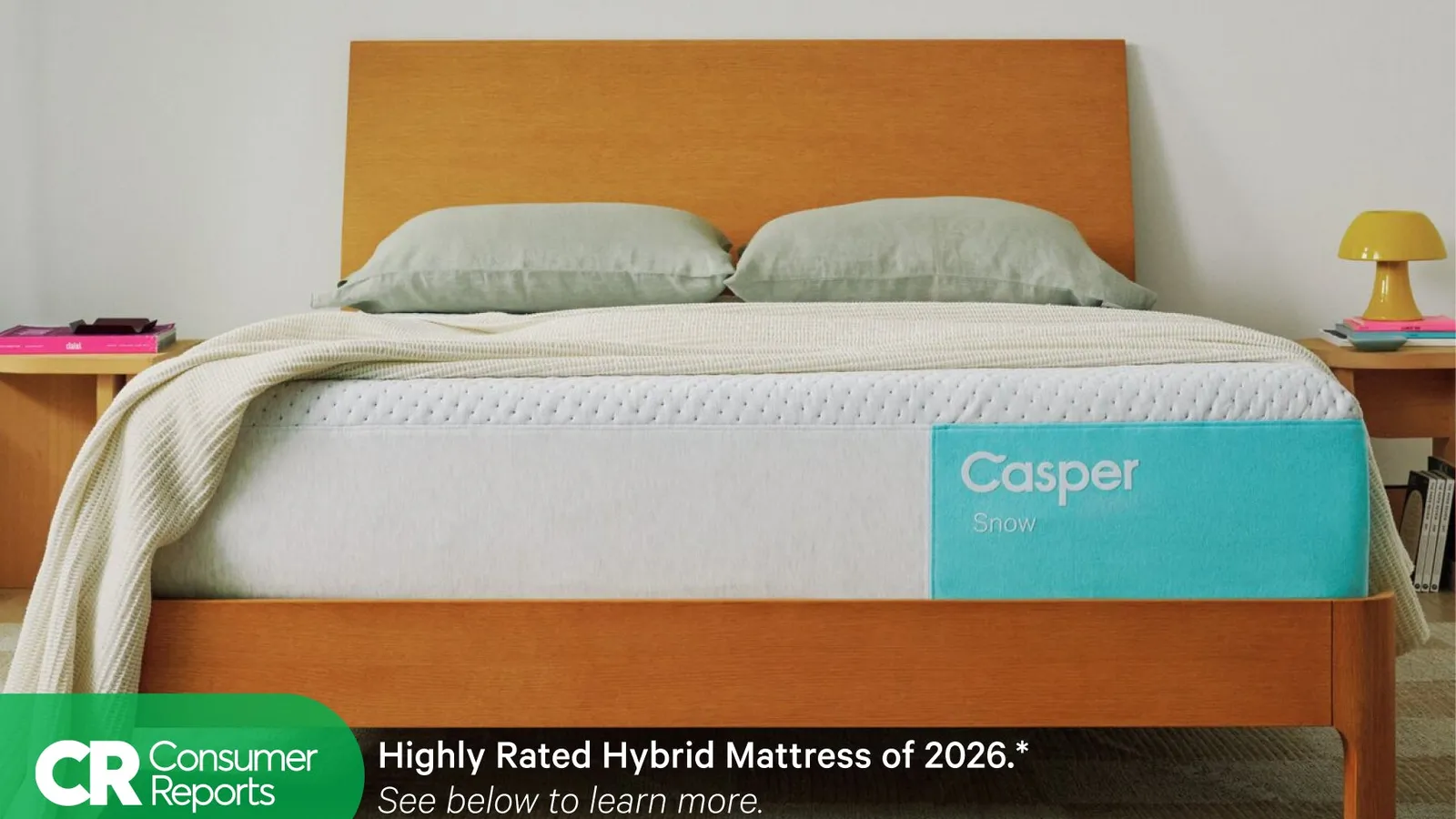
Casper Snow
Best cooling side-sleeper alternative
- Best for
- Best cooling side-sleeper alternative
- Why it is here
- Foam-side cooling lane when shoulder cradle outweighs coil bounce—you’re trading some heat retention risk of foam against pressure relief polish.
- Watch-out
- Slow-response foam impedes repositioning for combination sleepers who hate “stuck” sensations.
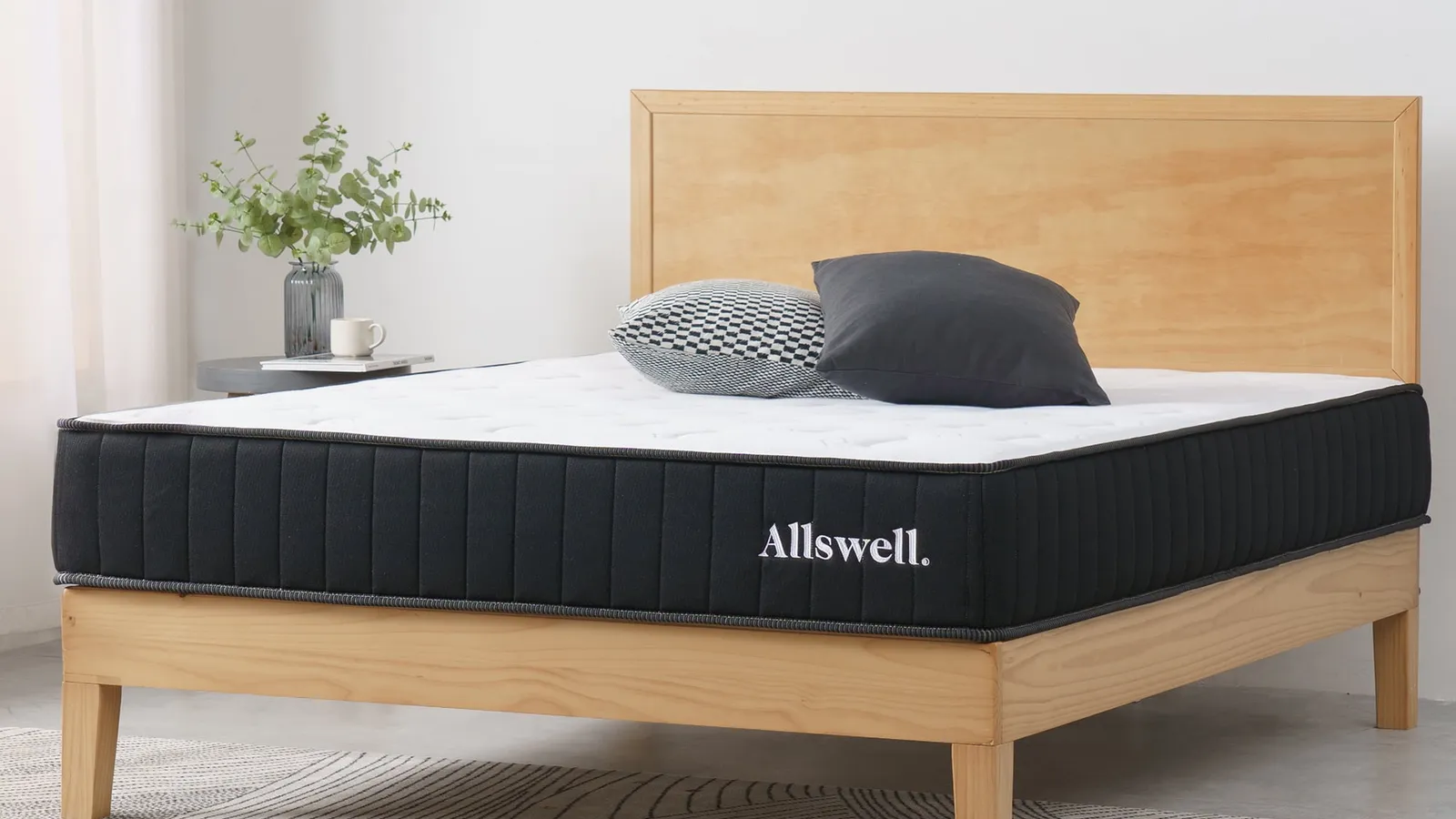
Allswell Hybrid
Best cheap cooling mattress
- Best for
- Best cheap cooling mattress
- Why it is here
- Coil spring stack with approachable retail availability through common mass-market channels—useful airflow floor for cautious buyers.
- Watch-out
- Often reads firmer for lightweight side posture; longevity expectations stay realistic at the price band.
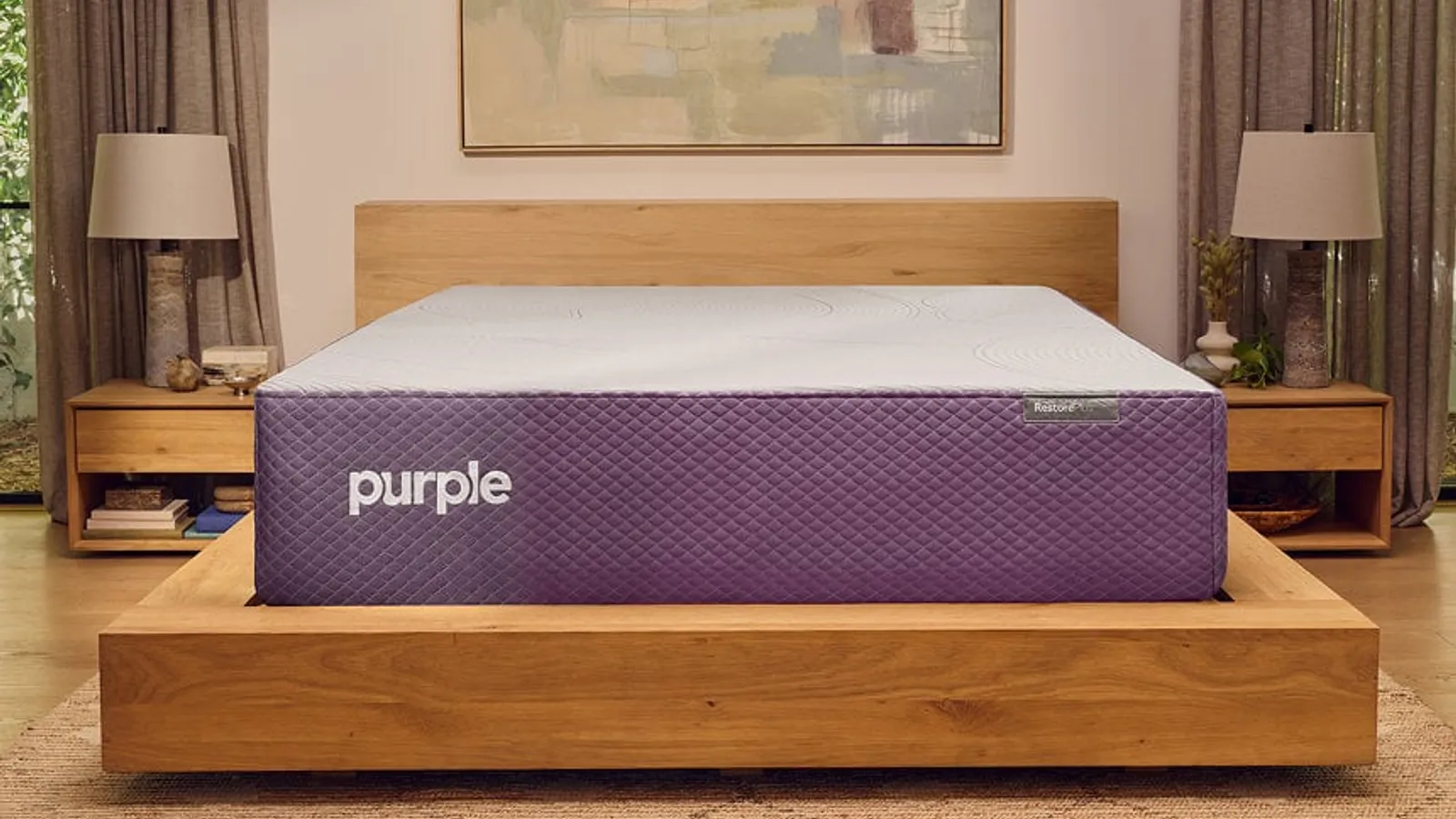
Purple RestorePlus Hybrid
Best cooling mattress overall
- Best for
- Best cooling mattress overall
- Why it is here
- Responsive comfort layer geometry that moves air aggressively, coil support underneath, edges that behave like usable sleep surface—not just marketing rails.
- Watch-out
- The grid-like feel is unfamiliar; restless sleepers who want slow foam hug may not adapt.
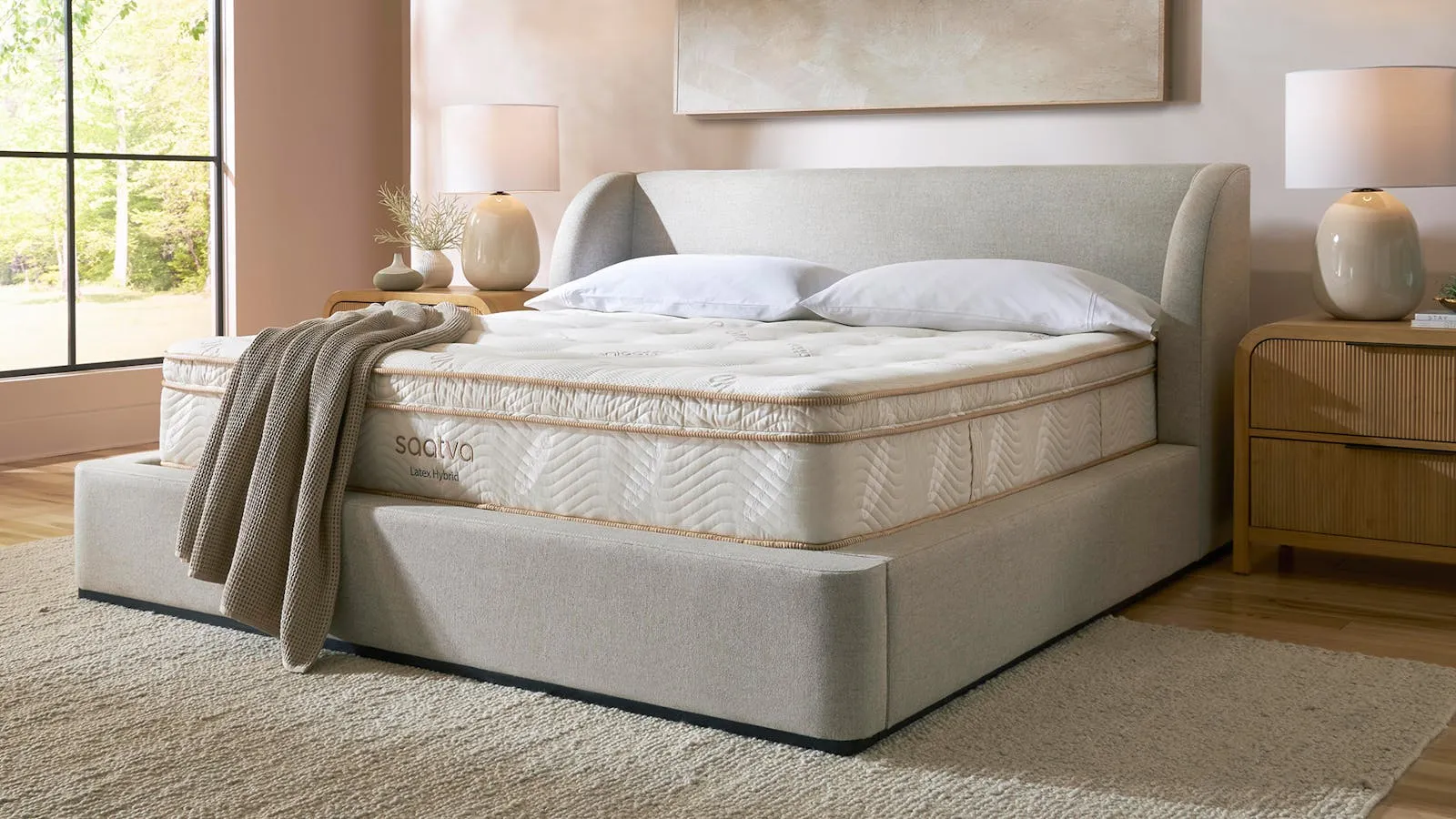
Saatva Latex Hybrid
Best firmer cooling mattress
- Best for
- Best firmer cooling mattress
- Why it is here
- Breathable latex and wool narratives plus pocket coils emphasize lift and longevity over deep foam envelope.
- Watch-out
- Less motion damping than plush foam-centric beds; verify side-shoulder forgiveness if you are strict side-dominant.
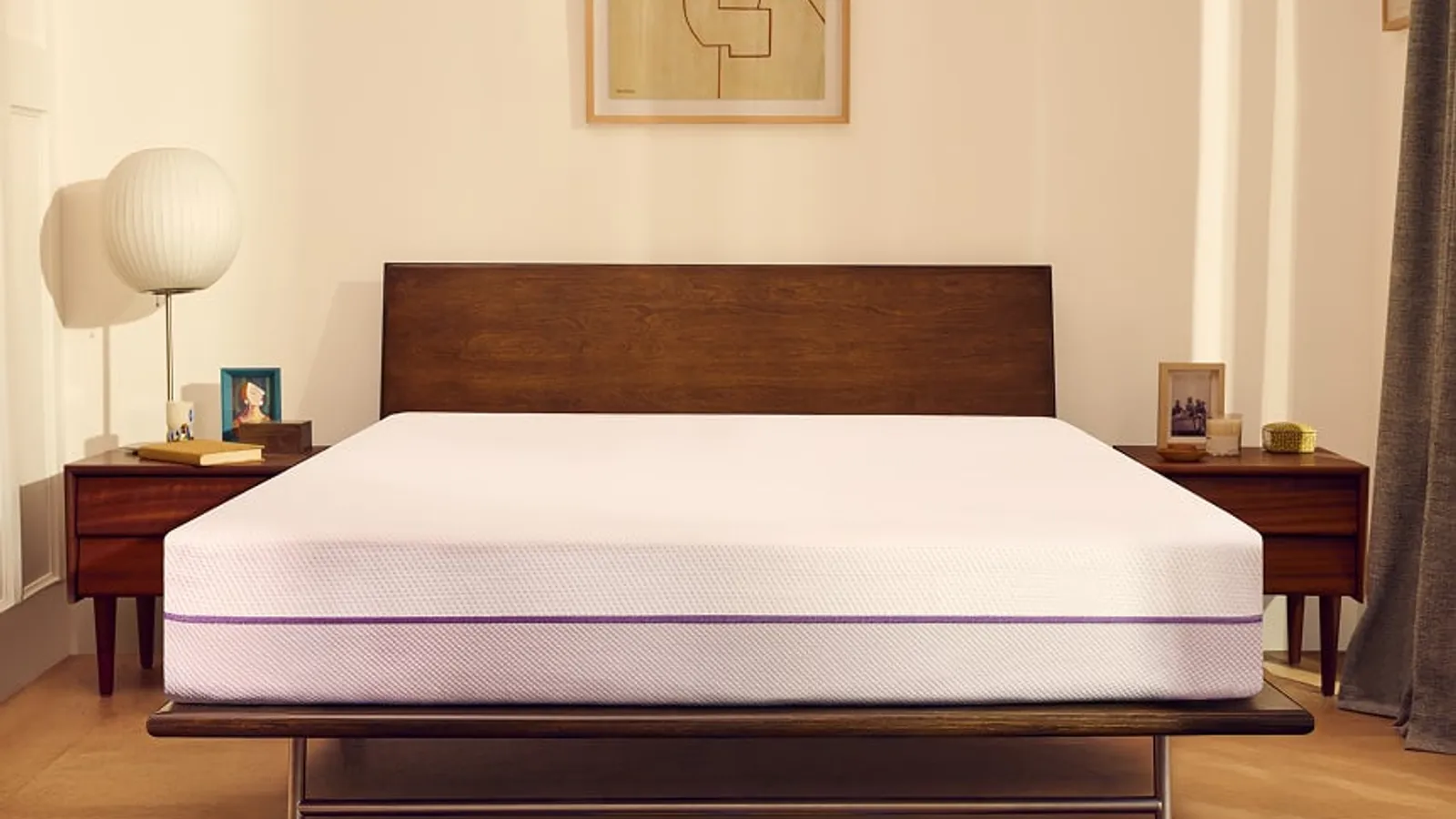
Purple Mattress
Best mid-range cooling mattress
- Best for
- Best mid-range cooling mattress
- Why it is here
- Carries Purple’s airy comfort geometry into a leaner package when premium hybrid tiers feel like overkill.
- Watch-out
- Less maximal support and edge framing than flagship hybrid builds—fair trade if budget caps spend.
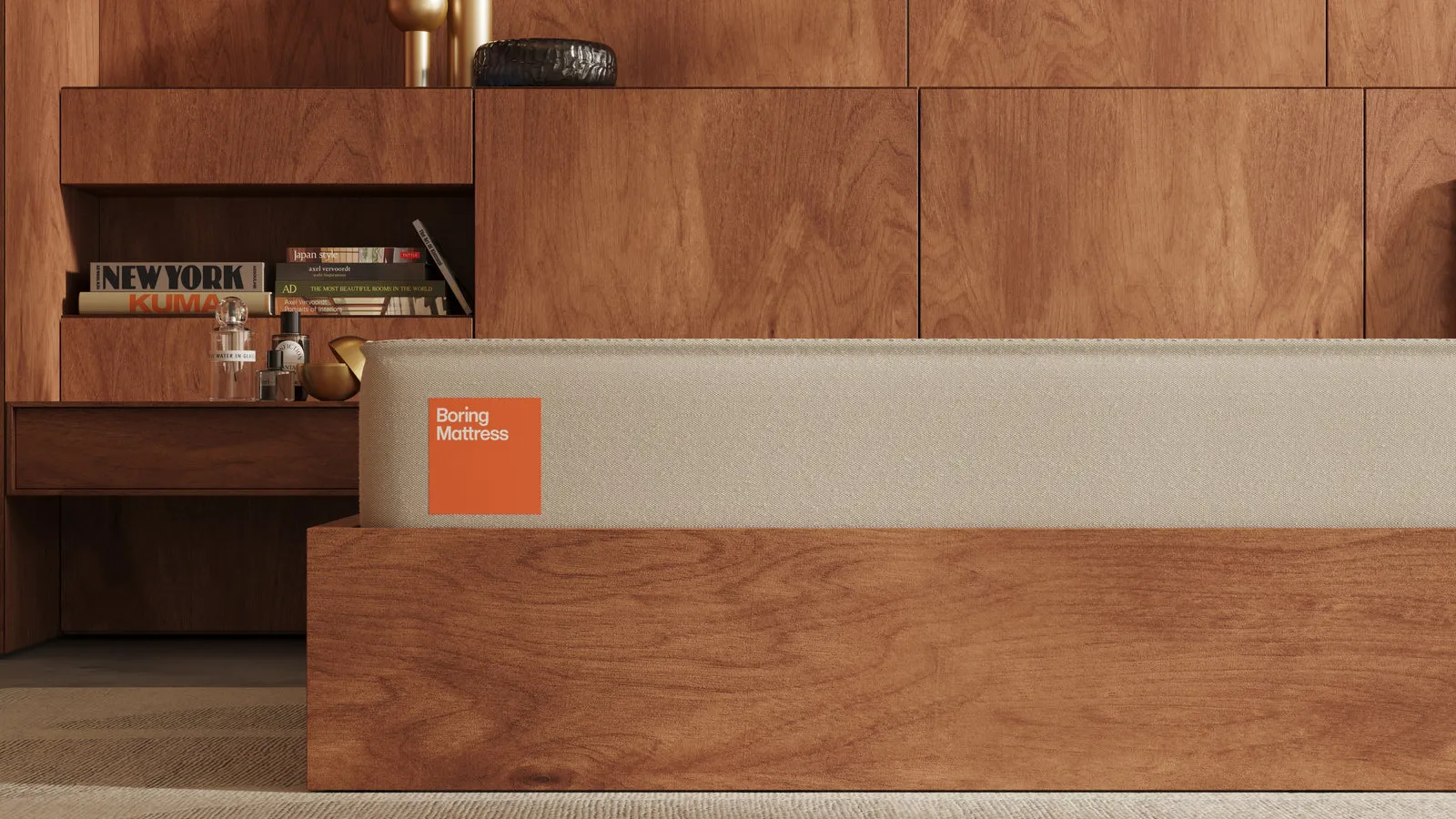
Boring Hybrid
Best budget cooling mattress
- Best for
- Best budget cooling mattress
- Why it is here
- Coil airflow with foam comfort at a restrained tier—good when you refuse all-foam heat risk but cannot stretch flagship grid spend.
- Watch-out
- Less standout contour personality than Purple-class surfaces; heavier builds should validate support depth personally.
How this guide works
We organize picks around buyer fit first—room constraints, trade-offs, and risk—before adding scores, live prices, or stock callouts. This page does not include buy buttons, affiliate links, live prices, or inventory claims. Product photos are hosted on our site only when image rights are cleared.
Related Sleep best lists
Use these sleep lists to narrow the shortlist by use case, setup, and buyer constraints.
Best Mattresses for Side Sleepers
A side-sleeper mattress guide focused on shoulder pressure, hip alignment, firmness by body weight, cooling, motion isolation, and trial homework—without live prices or retailer verified value windows.
Quick Verdict
A useful cooling-focused mattress reduces heat buildup overnight, not momentary chill on first touch. If you wake because the surface feels mildly warm before you drift off, you may fix more with room airflow, breathable bedding, and pillow height than by replacing the whole mattress.
Who tends to benefit from a mattress change: sleepers whose upper back or torso feels overheated deep into the night on dense foam, combination sleepers who roll into hot “wells,” or couples sharing a small surface area where trapped heat concentrates.
Who should try simpler fixes first: people whose bedroom runs warm in summer regardless of mattress, restless sleepers who might be reacting to duvet weight, hormonal night sweats with a medical history, or anyone whose mattress still feels objectively fine but bedding traps moisture.
When “cooling” marketing is easiest to oversell: gel infusions without structure change, superficial cover yarns that cannot offset thick slow foam below, or names that imply “clinical” temperature outcomes. Compare how heat leaves the comfort stack—air paths, responsiveness, coil lift—not adjectives on the retail card.
Better Buy Lab does not operate a mattress lab; this page is original buyer structure informed by public category research (RTINGS-style mattress rundowns among our references). There are no live prices, stock claims, retailer shopping links, comfort scores, or first-party bench tests here.
Start from the sleep hub if you are unsure whether temperature or shoulder pressure is the louder signal; see best mattresses for side sleepers when pressure relief dominates.
Decision map at a glance
Use this like a branching checklist before you memorize brand names:
- Hot sleeper, mostly back or stomach: prioritize breathable support layers—latex-over-coils or hybrids that keep hips lifted—rather than sinking into thick memory foam caps.
- Hot side sleeper: you still need gradual shoulder sink; the coolest-feeling slab can misalign hips if it is overly firm—see pressure notes in our side-sleeper guide alongside this page.
- Couples with mismatched thermostat feelings: isolate whether one partner is a “furnace” versus whether the mattress simply lacks motion isolation; sometimes split comfort tops even the best unified cooling mattress.
- Foam vs hybrid fork: dense all-foam can isolate motion but hoards heat unless the stack breathes; pocket coils typically move air easier but add slight bounce cues.
- Budget vs premium cooling: entry hybrids trade slower response and thinner comfort for acceptable airflow; premium picks invest in distinct comfort materials (responsive grid-style layers or thicker latex tiers) plus better edge framing.
- Heavier sleeper caveat: softness that feels breathable at first may bottom support layers sooner—prioritize thicker transition foam or firmer coils; “cool” is worthless if lumbar sags halfway through warranty life.
Site builds also surface richer scenario cards above this article when exported—treat those as expanded routing for the same decisions.
Pick logic — why these six roles exist
Each slot answers a different bottleneck: flagship heat egress and edge use (Purple RestorePlus Hybrid), firm buoyant cooling without maximum foam wrap (Saatva Latex Hybrid), mid-tier grid airflow without flagship hybrid polish (Purple Mattress), budget hybrid coil airflow (Boring Hybrid), cheapest viable hybrid entry (Allswell Hybrid), and foam-forward cooling biased to side-crater relief (Casper Snow). Nobody needs all six—you need the role that matches your heat story and your position support needs.
Comparison Table
| Pick | Best for | Why it earns a spot | Watch-out |
|---|---|---|---|
| Purple RestorePlus Hybrid | Best cooling mattress overall | Responsive comfort layer geometry that moves air aggressively, coil support underneath, edges that behave like usable sleep surface—not just marketing rails. | The grid-like feel is unfamiliar; restless sleepers who want slow foam hug may not adapt. |
| Saatva Latex Hybrid | Best firmer cooling mattress | Breathable latex and wool narratives plus pocket coils emphasize lift and longevity over deep foam envelope. | Less motion damping than plush foam-centric beds; verify side-shoulder forgiveness if you are strict side-dominant. |
| Purple Mattress | Best mid-range cooling mattress | Carries Purple’s airy comfort geometry into a leaner package when premium hybrid tiers feel like overkill. | Less maximal support and edge framing than flagship hybrid builds—fair trade if budget caps spend. |
| Boring Hybrid | Best budget cooling mattress | Coil airflow with foam comfort at a restrained tier—good when you refuse all-foam heat risk but cannot stretch flagship grid spend. | Less standout contour personality than Purple-class surfaces; heavier builds should validate support depth personally. |
| Allswell Hybrid | Best cheap cooling mattress | Coil spring stack with approachable retail availability through common mass-market channels—useful airflow floor for cautious buyers. | Often reads firmer for lightweight side posture; longevity expectations stay realistic at the price band. |
| Casper Snow | Best cooling side-sleeper alternative | Foam-side cooling lane when shoulder cradle outweighs coil bounce—you’re trading some heat retention risk of foam against pressure relief polish. | Slow-response foam impedes repositioning for combination sleepers who hate “stuck” sensations. |
How to choose (material reality checks)
Comfort materials. Open-cell foam, latex, and grid-style elastomer stacks each handle heat differently: foam needs thickness discipline; latex likes airflow narratives but still depends on casing; elastomer/grid patterns mechanically move air adjacent to skin.
Airflow. Coils beneath transition layers usually beat solid foam cores for convection; verify whether marketing images show actual venting paths versus cosmetic channel cuts that compress shut under body weight.
Foam density caveat. Marketing rarely lists densities—treat undisclosed foam stacks as inconsistent. If soft upper layers collapse quickly, sleeper mass meets the hotter, firmer strata sooner.
Hybrid coils. Pocket springs add lift and lateral air movement but introduce partner micro-bounce unless foam encasements damp it—note whether you cherish foam isolation versus hybrid responsiveness.
Cover feel. Phase-change or cool-to-touch fibers help perceived onboarding comfort; durability and laundering still matter once body heat saturates overnight.
Firmness vs cooling. Cooling does not erase alignment—choose firmness for spine position first, then rank heat behavior inside that posture band.
Motion isolation. Couples annoyed by ripple should bias foam hybrids or thicker comfort damping; zealots for coil breathability should expect some trade-off unless the bed layers foam heavily.
Edge support. Cooling arguments fail if usable surface shrinks—you roll inward, trapping more shared heat mid-mattress.
Trial homework (no hype). Mattress comfort changes over the first weeks of real sleep. Whatever policy a brand publishes, personally confirm who pays return shipping or pickup before you rely on comfort guarantees—this guide does not list live policies.
Purple RestorePlus Hybrid — best cooling mattress overall
Choose this if: restless heat bothers you mid-night, edges matter for sitting up or starfish sleeping, and you want responsive surface spring-back instead of sinking memory foam glue.
Skip this if: you dislike elastomer/grid texture under shoulders or dislike any “floating” sensation versus plush sink.
Trade-offs versus nearby picks: cooler subjective airflow story than latex-hybrid cushioning; bolder feel signature than coil-forward budget hybrids.
Saatva Latex Hybrid — best firmer cooling mattress
Choose this if: you run warm on upholstered foam tops but prefer a classic mattress temperament—more bounce cues, buoyant lumbar support, breathable natural-fiber framing.
Skip this if: deep pressure envelopment for strict side posture is mandatory and you dislike firmer lumbar lift.
Trade-offs: motion transfer can exceed foam-heavy competitors; aligns better with elevated heat tolerance on back/stomach mixes.
Purple Mattress — best mid-range cooling mattress
Choose this if: flagship hybrid spend hurts but you still crave Purple geometry’s cooling ethos in a narrower build.
Skip this if: you need maximum perimeter rigidity equal to taller hybrid editions.
Trade-offs: balanced spend story; compromises mostly at edge-duty and transitional depth versus RestorePlus-tier builds.
Boring Hybrid — best budget cooling mattress
Choose this if: coil airflow with foam comfort clears your overheating symptoms without unicorn materials.
Skip this if: you expect flagship contour drama or heavyweight durability documentation at entry tiers.
Trade-offs: utilitarian sleeper upgrade from dense all-foam furnaces—personality understated.
Allswell Hybrid — best cheap cooling mattress
Choose this if: budget caps experimentation and hybrid structure still beats sweaty memory-foam slabs you already dislike.
Skip this if: lightweight shoulders need plush cradle—consult side-sleeper posture notes before locking this lane.
Trade-offs: price-first coil story; nuanced firmness scouting matters more here.
Casper Snow — cooling side-sleeper alternative
Choose this if: shoulder pressure dictated your wakeups more than lumbar heat—you want foam cushioning with marketed cooling yarns or foams layered for warm sleepers.
Skip this if: you hate repositioning friction from slow-viscosity foam—even “cool” foams retain some insulating behavior versus mechanical air movers.
Trade-offs versus hybrids: softer isolation favors couples; hotter baseline risk than disciplined coil cores.
Alternatives beyond buying a labeled cooling mattress
- Cooling or breathable mattress topper: isolates upholstery upgrade when your support core still fits—watch thickness adding pressure misalignment if you are side-heavy.
- Breathable sheets and lighter duvet: moisture management changes perceived heat fast; pairing matters as much as core materials.
- Side-sleeper specialization: revisit best mattresses for side sleepers whenever shoulder trenches fail before warmth does.
- Room-level levers: fan paths, nighttime thermostat discipline, breathable pajamas—even perfect mattresses wrestle ovens for bedrooms.
Editorial transparency
Mattress rankings online skew toward monetized picks. Better Buy Lab keeps shopping destinations off cooling pages until product facts and retailer paths pass review—read methodology, verification policy, and editorial policy for boundary lines on what publishes when.
Common mistakes
- Shopping “cool gel” ribbons without inspecting full-stack thickness—you feel whatever sits within the first inches longest.
- Chasing coolest marketing while ignoring lumbar support—misalignment wakes you disguised as heat annoyance.
- Ignoring side sleeper pressure cues: cooling solves nothing if shoulder numbness dominates.
- Treating mattresses as sweat medicine—clinical causes deserve clinician context, not furniture promises.
FAQ
Do cooling mattresses really work?
They can mitigate trapped surface heat versus dense slow foams for some bodies, especially when coils or mechanically open comfort layers participate. No mattress replaces room conditioning or cures medical sweating issues on its own.
Foam versus hybrid for hot sleepers—which usually runs cooler?
General pattern: hybrids with pocket coils move air vertically easier than molded all-foam cores. Exceptions exist—thick foam encasements on hybrids or vented foam stacks blur the line—which is why we discuss layering, not hashtags.
What firmness helps hot side sleepers?
Moderate cradle (often medium-soft to medium realms in brand language) keeps shoulders forgiving without exaggerating lumbar sway—subject to body mass. Cooling cannot replace posture fit; revisit side sleeper firmness cues.
Cooling mattress versus cooling topper?
Mattress swaps fix fundamental support mismatches or failed upper comfort chemistry; thin toppers reshape surface feel quicker and cheaper yet can misalign petite side hips if overstuffed—choose based on whether your core still supports neutrally.
Mattress versus breathable bedding tweaks?
Start with duvet weight, textile weave, pillow bulk trapping neck heat, and room airflow experiments when misery appears seasonal or humidity-linked before financing a flagship bed.
What should you verify before buying online?
Identify model year strings so comparison shopping matches identical stacks, skim firmness nomenclature per brand since labels differ, and personally read whichever return or exchange policy attaches so expectations stay realistic—we do not publish live storefront terms here.